16d • Weekly Challenge
weekly chaleng - second attempt :)
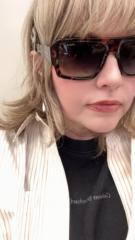
Since I wasn't completely sure what level of similarity was expected, I created two different versions.
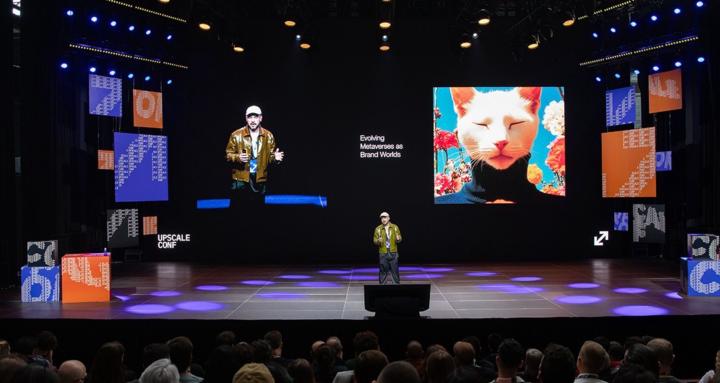
The first version stays as close as possible to the original image while still being a new and distinct composition rather than a direct copy. The second version features a completely different character but preserves all of the key visual attributes extracted from the reference image, including the color palette, lighting, camera angle, character positioning, background elements, overall mood, and visual style.
Process is the same in both cases.
First, I analyzed the image to understand its key visual characteristics. Then, I uploaded it into an application I once built to replicate the visual style of famous film directors. The app analyzes the image and extracts color hex codes, lighting information, camera settings, and other cinematography data. In short, it captures all the technical parameters that define the image’s style, color palette, and lighting and overall mood of the visual.
This becomes the base prompt that I use in the next stage. After that, I wrote a prompt describing the character, where they are standing based on the reference image, and what appears in the background—essentially the same way we normally describe a scene in a prompt.
Finally, I combined these two prompts. As a result, I can generate completely different characters while consistently preserving the original color grading, lighting, camera angle, and overall visual style.
2
0 comments
weekly chaleng - second attempt :)
skool.com/pro-grade-ai-training
Learn why we charge 20x more than most AI artists and how you can do it.
Coca Cola, L'Oréal, Bayer, Hugo Boss & more.
Leaderboard (30-day)
1

+66
2

+45
3
+41
4
+37
5

+36
Powered by