
Feb '24 • Share Your Art
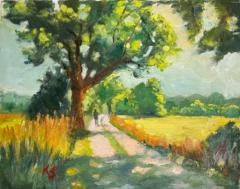
Cape Mountain Landscape
The Cape landscape in South Africa is a place of extraordinary beauty, encompassing a diverse range of ecosystems, breathtaking mountains, and captivating scenery. This remarkable region is not only a testament to the power of nature but also bears witness to a fascinating history that has shaped the landscape we see today. From ancient geological formations to human settlements and conservation efforts, the Cape landscape and its mountains have an enthralling story to tell.
Ancient Geological Origins:
The history of the Cape landscape dates back millions of years to a time when the earth's tectonic plates were in motion. The mountains that grace the Cape today are primarily composed of ancient granite and sandstone formations, remnants of a time when volcanic activity and erosion sculpted the terrain. Table Mountain, an iconic landmark, is believed to be one of the oldest mountains on Earth, with its distinctive flat top formed by the erosion of a plateau over millions of years.
Indigenous People and Early Settlements:
Long before European explorers arrived, the Cape landscape was inhabited by indigenous peoples who had a deep connection to the land. The Khoi-San people, known as the First Peoples of South Africa, were nomadic hunter-gatherers who thrived in the Cape's diverse ecosystems. Their intricate knowledge of the landscape and sustainable practices shaped the environment and its delicate balance.
Later, European settlers arrived in the Cape, bringing with them a new era of exploration and colonization. The Dutch established a refreshment station at the Cape of Good Hope in 1652, leading to the founding of Cape Town. The establishment of settlements and farms by the Dutch and subsequent European powers transformed the landscape through agriculture, deforestation, and urbanization.
Cape Floral Kingdom:
The Cape landscape is renowned for its remarkable biodiversity, boasting one of the world's six floral kingdoms, the Cape Floral Kingdom. This unique ecosystem is home to an extraordinary array of plant and animal species found nowhere else on the planet. Fynbos, a vegetation type endemic to the region, dominates the mountainsides with its colorful and diverse floral displays.
The preservation of the Cape Floral Kingdom became a critical priority as urbanization and development threatened its delicate balance. Conservation efforts, including the establishment of national parks and protected areas, have played a crucial role in safeguarding this precious ecosystem for future generations.
Mountains of Splendor:
The Cape landscape is blessed with a collection of awe-inspiring mountains that captivate the imagination of visitors and locals alike. In addition to Table Mountain, the Cape Fold Belt stretches for over a thousand kilometers, forming a backbone along the Cape's southern coastline. This mountain range is a result of powerful geological forces that folded and twisted the earth's crust, creating a series of majestic peaks, valleys, and gorges.
Some notable peaks within the Cape Fold Belt include the Cederberg Mountains, the Langeberg Range, and the Drakensberg Mountains. These mountains offer a wealth of outdoor activities, including hiking, rock climbing, and breathtaking scenic drives. Their beauty serves as a reminder of the geological forces that shaped the Cape landscape over millions of years.
Conclusion:
The history of the Cape landscape and its mountains is a testament to the immense power of nature and the influence of human interaction. From ancient geological formations to indigenous cultures, colonial settlements, and modern conservation efforts, the Cape has undergone significant transformations throughout history. Today, it stands as a stunning tapestry of biodiversity, breathtaking mountains, and a testament to the resilience of nature. As we explore and appreciate the Cape landscape, let us also strive to protect and preserve its natural wonders for generations to come.
32
55 comments
Cape Mountain Landscape
skool.com/painters-hub
🎨 Free community for landscape painters improving their skills. Learn to create professional-quality paintings you're proud to display or sell 😀
Leaderboard (30-day)
1

+224
2
+98
3

+68
4

+58
5

+51
Powered by