Activity
Mon
Wed
Fri
Sun
May
Jun
Jul
Aug
Sep
Oct
Nov
Dec
Jan
Feb
Mar
Apr
What is this?
Less
More
Memberships
165 contributions to Painters Hub

0 likes • Dec '24
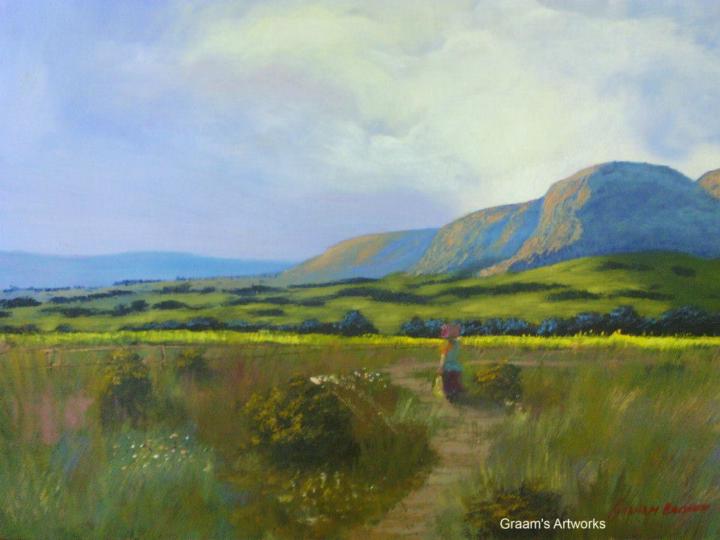
@Anne Tagliareni Well, remember that every artist has their own style which makes it special. You have a unique style that will be sought after, so your job as an artist is to develop you own style and not worry too much about comparing yourself to others. You just then have to get your work in front of the right audience who will appreciate it for what it is. Yes, its good to learn from other artists, but stay true to who you are and show your beautiful art to the world.
0 likes • Dec '24
@Stephen Winiecki Thanks for liking my art. This is an oil painting and I simply used my phone to take a photo. I just made sure that the light in the space was good. If you ever have light issues when taking photos, simply take the photos outside on a sunny day. It makes a big difference. You can always adjust the light and contrast in a photo editor if necessary.
Feb '24 •
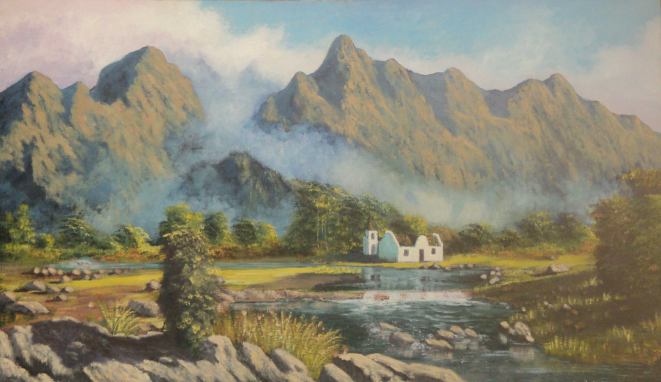
Cape Mountain Landscape
The Cape landscape in South Africa is a place of extraordinary beauty, encompassing a diverse range of ecosystems, breathtaking mountains, and captivating scenery. This remarkable region is not only a testament to the power of nature but also bears witness to a fascinating history that has shaped the landscape we see today. From ancient geological formations to human settlements and conservation efforts, the Cape landscape and its mountains have an enthralling story to tell. Ancient Geological Origins: The history of the Cape landscape dates back millions of years to a time when the earth's tectonic plates were in motion. The mountains that grace the Cape today are primarily composed of ancient granite and sandstone formations, remnants of a time when volcanic activity and erosion sculpted the terrain. Table Mountain, an iconic landmark, is believed to be one of the oldest mountains on Earth, with its distinctive flat top formed by the erosion of a plateau over millions of years. Indigenous People and Early Settlements: Long before European explorers arrived, the Cape landscape was inhabited by indigenous peoples who had a deep connection to the land. The Khoi-San people, known as the First Peoples of South Africa, were nomadic hunter-gatherers who thrived in the Cape's diverse ecosystems. Their intricate knowledge of the landscape and sustainable practices shaped the environment and its delicate balance. Later, European settlers arrived in the Cape, bringing with them a new era of exploration and colonization. The Dutch established a refreshment station at the Cape of Good Hope in 1652, leading to the founding of Cape Town. The establishment of settlements and farms by the Dutch and subsequent European powers transformed the landscape through agriculture, deforestation, and urbanization. Cape Floral Kingdom: The Cape landscape is renowned for its remarkable biodiversity, boasting one of the world's six floral kingdoms, the Cape Floral Kingdom. This unique ecosystem is home to an extraordinary array of plant and animal species found nowhere else on the planet. Fynbos, a vegetation type endemic to the region, dominates the mountainsides with its colorful and diverse floral displays.
0 likes • Nov '24
@Kelton White Thank you for liking it. Despite what some folks may say, oil paint is actually the easiest medium to use. Because the paint doesn't dry quickly, it allows you to simply wipe away mistakes with an old rag. The colours mix easily and are vibrant. Just always remember to paint from dark to light and from lean to fat and allow time for the layers to dry in-between. That will then allow you to paint highlights on top of darker colours.
1 like • Nov '24
I think that you selling yourself short too quickly. With the right assistance, you will be on your way to painting awesome oil paintings. Check out Sam's lessons in the classroom section. He is an amazing teacher and he will help you onto the right track in no time. All you have to do is show up for yourself, stay committed and do the work. You got this. You are capable of so much more than you imagine. Just trust in your ability.
Mar '24 •
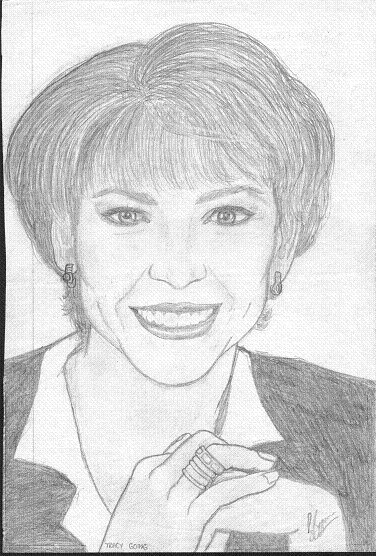
My oldie portraits
This is just to give you guys an idea as to how my first portraits use to turn out back in 1988. There are many more embarrassing ones. I guess that we all started our journeys somewhere.
0 likes • May '24
@Marion Chirayath I have been posting like a house on fire since I joined a few months ago, so you will find a lot of my art on the previous pages...let me know what you think..
0 likes • Oct '24
@Gretchen Wurth Thank you very much
0 likes • Oct '24
@Gretchen Wurth Thank you for liking it.
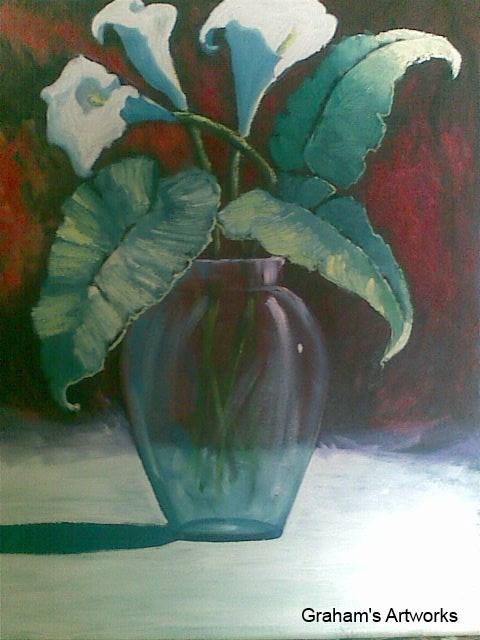
1 like • Apr '24
@Kristy Harbour thank you very much
0 likes • Oct '24
@Gretchen Wurth Thank you very much
1-10 of 165

@graham-brown-2982
Graham Brown is an oil painter and pencil artist from Johannesburg, South Africa specializing in landscapes, seascape, figures and still life art
Active 155d ago
Joined Feb 20, 2024
Johannesburg, South Africa
Powered by