
Write something

May 30 •
🥚 Vietnam’s Egg Coffee: A Curious Sip
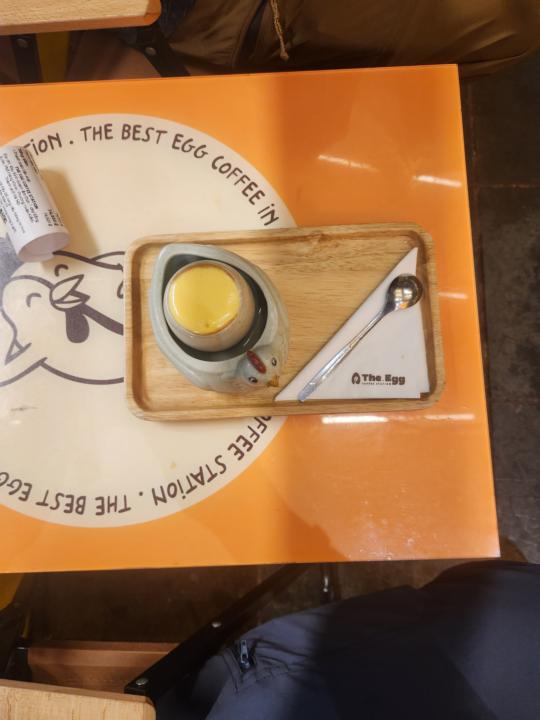
I’m not really a coffee person, and I’m a pretty particular eater for religious reasons. But when I was in Vietnam, I decided to step a little outside my comfort zone. Enter: egg coffee — a frothy, sweet concoction made with whipped egg yolk, sugar, and robust Vietnamese coffee. It was one of the few “out there” things I was both willing and able to try. Surprisingly? It wasn’t bad at all. The creamy texture reminded me more of dessert than coffee, which made it easier to handle. Now, before you ask — no, I’m not touching the infamous cat poop coffee (civet coffee). That’s a big fat no from me. Of course, I had to research the benefits and risks of these famous coffees… Egg Coffee: The whipped egg yolk adds protein, vitamins, and healthy fats. It can make the brew smoother and gentler on the stomach. But it’s also high in sugar and cholesterol, so best enjoyed as an occasional treat. Civet Coffee: The fermentation process may enhance antioxidants and reduce bitterness, making it easier to digest. Still, the ethical concerns around civet farming and the sky-high price tag make it a questionable choice for most people.So while both drinks have their quirks and potential perks, I’d say they’re more about the experience than the health boost. Have you ever tried egg or civet coffee? Or do you have your own unique coffee experience story?
Mar 24 •
🌬️ The Slow Start: Let Your Digestion Wake Up at Its Own Pace
Your digestive system isn’t a machine that flips on instantly. It’s more like a person waking up from sleep — it needs a moment, a signal, a little kindness before it’s ready to take on the day. When we rush into eating, working, or stressing the moment we open our eyes, the gut often plays catch‑up. A slow start can be a powerful form of nourishment. 🌱 Today’s Tip: The 60‑Second Morning Reset Before you eat, drink, or check your phone, try this: Place one hand on your belly and take slow breaths for 60 seconds. This simple pause: - Activates your parasympathetic “rest and digest” mode - Reduces morning tension - Prepares your gut for smoother digestion - Helps regulate appetite and cravings later in the day It’s tiny, but it shifts your whole system into readiness. ✨ Reflection Prompt What changes when you give your body a moment to arrive before you ask it to perform? Notice your hunger cues, your pace, your mood, your clarity. 🌼 Non‑Food Option: The Warmth Ritual If you’re fasting or not eating early: Place a warm cloth or heating pad on your abdomen for 2–3 minutes. Warmth increases circulation, relaxes the gut, and signals safety — a quiet, grounding way to start the day.
4
0

Mar 17 •
🍽️ IF Only! — The Hunger Hormone Plot Twist
We’ve talked about the fast early weight loss. We’ve talked about the rebound. Now let’s talk about the part nobody warns you about: Your hunger hormones have opinions. Loud ones. If you’ve ever wondered why intermittent fasting feels effortless one week and like a hostage situation the next, this is the post you’ve been waiting for. 😈 Meet Ghrelin: The “I’m Hungry” Hormone Ghrelin is the hormone that tells your brain, “Hey, it’s time to eat.” But here’s the twist: ghrelin doesn’t rise because your stomach is empty — it rises because your body expects food based on your habits. That means: - If you always eat breakfast at 8, ghrelin spikes at 8. - If you skip breakfast for a week, ghrelin stops spiking at 8. - If you start fasting until noon, ghrelin eventually shifts to noon. Your hunger is not a moral failing — it’s a schedule. 😌 The good news: Ghrelin adapts quickly This is why IF often feels easier after a few days. Your hunger cues literally retrain themselves. But… 😬 The not‑so‑good news: Ghrelin also rebounds If you fast aggressively for too long, or if your eating window gets too small, ghrelin can surge back with a vengeance. That’s when you get: - sudden cravings - “I could eat the fridge door” hunger - overeating during your eating window - the classic rebound weight gain This is biology doing biology — not you “falling off.” 🧘 Leptin: The “I’m Full” Hormone Leptin is supposed to tell your brain, “We’re good, stop eating.” But when you lose weight quickly, leptin levels drop — and your fullness signals get weaker. This is one of the reasons IF works beautifully at first… and then suddenly feels harder. Your body is trying to restore balance, even if you’re trying to maintain momentum. 🔍 Why this matters for your IF journey Understanding hunger hormones changes the game. It helps you: - stop blaming yourself for being hungry - recognize when your body is adapting - adjust your fasting window before burnout hits - build a version of IF that works with your biology, not against it
3
0

Mar 14 •
🔧 IF Only! — How to Make Intermittent Fasting Actually Work Long‑Term
So far in this series, we’ve talked about two big truths: 1. Intermittent fasting makes the scale drop fast at first. 2. Intermittent fasting does not make the weight stay off by itself. That second part is the kicker. IF is a great tool, but it’s not a magic spell — and it’s definitely not a long‑term strategy all by itself. The good news is that once you understand why the rebound happens, you can start building a version of IF that doesn’t fall apart the moment life gets busy. Here are a few of the biggest levers that make IF sustainable instead of cyclical. 🧩 1. Build a “default” eating window you can live with Most people treat IF like a sprint: 18×6! 20×4! OMAD! Go big or go home! But the body loves consistency more than intensity. A sustainable rhythm might look like: - 14×10 on busy weeks - 16×8 when you’re in a groove - 18×6 when you want a reset Think of it like gears on a bike — not a single fixed speed. 🍛 2. Anchor your meals with protein + fiber This is the quiet superpower of long‑term IF. Protein and fiber: - keep you full longer - stabilize hunger hormones - reduce overeating during the eating window - prevent the “I fasted all day so now I’m starving” spiral You don’t need perfection — just a little intentionality. 🔥 3. Add movement, but don’t overdo it You don’t need a gym membership to support IF. A 20–30 minute walk after meals can: - improve blood sugar - reduce cravings - support fat loss - help with appetite regulation Small, consistent movement beats heroic workouts every time. 🧠 4. Expect the plateau — and plan for it Plateaus aren’t failure. They’re physiology. Your metabolism adapts. Your hunger hormones shift. Your body tries to find a new normal. Instead of panicking, build a plan for the plateau: - shift your window slightly - add a protein target - add a walk - add a “maintenance week” instead of quitting Plateaus are where most people quit — but they’re also where long‑term success is built. 🌿 5. Make IF flexible, not fragile
4
0

Mar 13 •
🔄 IF Only! — Why the Weight Doesn’t Stay Off (Even When IF Feels Easy)
So we’ve talked about why intermittent fasting gives you that quick early drop — the water weight, the metabolic switch, the natural calorie reduction. It’s a great kickoff. But here’s the part that frustrates so many of us: the weight rarely stays off without a fight. If you’ve ever watched the scale slide down beautifully for a week or two… only to hit a plateau and then creep right back up the moment life gets busy, you’re not alone. There are real physiological reasons behind this pattern. Let’s break them down. 🧬 1. Your metabolism adapts to the new routine When you consistently eat less or compress your eating window, your body becomes more efficient. Efficient sounds good — but in this case, it means burning fewer calories. Your body is trying to protect you from what it thinks is scarcity. This is why the early drop slows down, even if you’re still fasting like a champ. 😣 2. Hunger hormones push back Fasting can temporarily increase hormones like ghrelin (the “I’m starving” signal). At first, you might not notice it — especially if IF feels easy for you. But over time, those signals get louder, and you may eat more during your eating window without realizing it. This is one of the sneakiest reasons weight creeps back. 🍽️ 3. Overeating during the eating window cancels out the deficit You don’t have to binge for this to happen. Even small increases — an extra snack, a slightly bigger plate, a late‑night nibble — can erase the calorie gap that made IF effective in the first place. And because your metabolism has slowed a bit, the same amount of food now has a bigger impact. 🕰️ 4. IF is easy… until it isn’t Life happens. Schedules shift. Stress hits. Travel, kids, work, fatigue — all of it can disrupt your fasting rhythm. And when the structure breaks, the weight tends to rebound quickly because your body has been waiting for the opportunity to refill its energy stores. 🌿 Why this matters for the journey ahead Understanding this isn’t about discouragement — it’s about empowerment.
1-30 of 42

skool.com/mylera-wellness-8191
🌿 Unlock smarter wellness with MyLera—heal with food, dive into lessons & energize your journey with vibrant community discussions. Earn Rewards! 💚
Leaderboard (30-day)
1

🔥
+11
2

+4
3

+4
4

+2
5

+2
Powered by