Activity
Mon
Wed
Fri
Sun
Aug
Sep
Oct
Nov
Dec
Jan
Feb
Mar
Apr
May
Jun
What is this?
Less
More
Memberships
Mylera Wellness
2k members • Free
Mohr Natural
396 members • $10/month
Shrink Rap
1.1k members • Free
HolisticAmerican-HealthAcademy
3.6k members • Free
Holistic Product Tester Group
31.1k members • Free
245 contributions to Mylera Wellness

6d •
🧫 FERMENTED SUPERFOODS SERIES — INTRO
“Fermented ≠ Rotten” Fermentation often gets confused with “rotting.” Let’s clear that up: - Rotten food = uncontrolled breakdown, harmful bacteria, toxins. - Fermented food = controlled process, beneficial microbes, enhanced nutrients. Fermentation is one of humanity’s oldest preservation methods — turning ordinary foods into gut‑healing, immune‑boosting, longevity‑linked superfoods. This series will spotlight global ferments that prove: sometimes the strangest flavors deliver the strongest benefits. 🌱 SPOTLIGHT #1 — Natto 🧬 Why It Matters - Packed with vitamin K2 → supports bone + heart health - Contains natto kinase → linked to circulation benefits - Rich in probiotics → fuels gut microbiome 🍽️ How to Use - Traditionally eaten with rice + soy sauce + mustard - Can be added to miso soup or mixed into salads - Strong flavor, but small amounts go a long way 🥢 Simple Natto Rice Bowl Recipe 1. Cook 1 cup of steamed rice. 2. Add 1 pack of natto (stir well until sticky). 3. Mix in 1 tsp soy sauce + ½ tsp mustard. 4. Top with chopped green onions + sesame seeds. 💡 Reflection Prompt Fermentation transforms “ordinary” foods into nutrient powerhouses. 👉 What’s one food you’ve avoided because of taste or smell — and could you give it a second chance if it meant better health?


1 like • 6d
such an important topic. I never liked fermented foods but after learning all the benefits I have incorporated them for better gut health. kombucha was one I detested but I have found a flavor and brand I can tolerate.
May 30 •
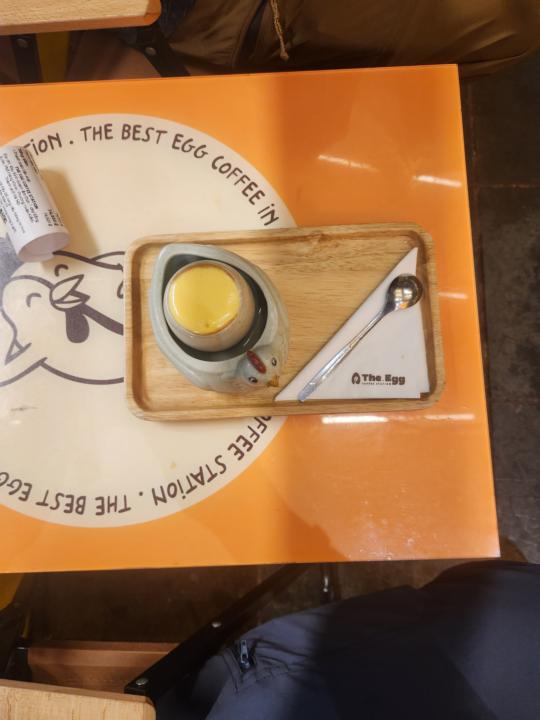
🥚 Vietnam’s Egg Coffee: A Curious Sip
I’m not really a coffee person, and I’m a pretty particular eater for religious reasons. But when I was in Vietnam, I decided to step a little outside my comfort zone. Enter: egg coffee — a frothy, sweet concoction made with whipped egg yolk, sugar, and robust Vietnamese coffee. It was one of the few “out there” things I was both willing and able to try. Surprisingly? It wasn’t bad at all. The creamy texture reminded me more of dessert than coffee, which made it easier to handle. Now, before you ask — no, I’m not touching the infamous cat poop coffee (civet coffee). That’s a big fat no from me. Of course, I had to research the benefits and risks of these famous coffees… Egg Coffee: The whipped egg yolk adds protein, vitamins, and healthy fats. It can make the brew smoother and gentler on the stomach. But it’s also high in sugar and cholesterol, so best enjoyed as an occasional treat. Civet Coffee: The fermentation process may enhance antioxidants and reduce bitterness, making it easier to digest. Still, the ethical concerns around civet farming and the sky-high price tag make it a questionable choice for most people.So while both drinks have their quirks and potential perks, I’d say they’re more about the experience than the health boost. Have you ever tried egg or civet coffee? Or do you have your own unique coffee experience story?
2 likes • May 31
[attachment]
May 31 •
✋ Rebuild Your Strength — Hands Edition
Inspired by @Cher T ........ Food-as-Medicine + One Simple Grip Move Your hands are your daily tools. When they weaken, you’ll notice: - struggling to open jars - difficulty carrying bags - slower typing or writing - less confidence in grip strength The good news: you can rebuild hand strength with the right foods and simple exercises. 🍽️ Food-as-Medicine Focus: Iron + Magnesium + Omega‑3s for Grip Strength Strong hands need oxygen delivery, muscle contraction, and joint comfort. These nutrients make it happen: - Iron-rich foods: lentils, spinach, beef, pumpkin seeds — support oxygen flow to hand muscles. - Magnesium-rich foods: almonds, leafy greens, black beans — reduce stiffness and improve contraction. - Omega‑3s: salmon, walnuts, chia seeds — reduce inflammation in joints and tendons. - Vitamin C foods: citrus, bell peppers — boost collagen for connective tissue. Explore more: iron-rich foods, magnesium-rich foods, omega-3 benefits. ⭐ Today’s Recipe: Spinach & Salmon Power Wrap A quick, nutrient‑dense meal that supports grip strength and recovery. Ingredients - 1 whole‑grain wrap - ½ cup cooked salmon - 1 cup fresh spinach - 1 tbsp hummus - Squeeze of lemon How to make it 1. Spread hummus on the wrap. 2. Add salmon and spinach. 3. Squeeze lemon, roll, and enjoy. Why it works - Salmon provides protein + omega‑3s for muscle repair. - Spinach adds iron + magnesium for contraction. - Lemon boosts iron absorption. - Whole grains provide steady energy for grip endurance. 🏋️ Simple Strength Habit: Hand Squeeze (30 seconds) A foundational move to restore grip strength. How to do it: - Hold a soft ball or rolled towel. - Squeeze firmly for 3–5 seconds. - Release slowly. - Repeat for 30 seconds each hand. Explore more: hand therapy ball exercises or finger tendon glides. Why it works Hand squeezes strengthen forearm and hand muscles, improve circulation, and restore grip confidence.

1 like • May 31
AS long as it's not farm raised Salmon!
May 11 •
💪 Rebuild Your Strength — Post #7
Core Endurance + High‑Protein Breakfast + One Simple Hold Your core isn’t just about power — it’s about staying strong over time. If you’ve noticed your posture fading as the day goes on, your back getting tired quickly, or your balance slipping after a few minutes of activity, that’s a sign your core endurance needs rebuilding. Today’s combo helps you create a core that lasts. 🍽️ Food-as-Medicine Focus: High‑Protein + Slow‑Burn Carbs for All‑Day Core Support Core endurance depends on stable blood sugar and steady amino acid availability. This combo keeps your muscles fueled and your energy consistent. Key foods: - Eggs - Greek yogurt - Oats - Chia seeds - Berries - Almond butter If you want to explore more, check out high‑quality protein or energy-supporting foods. ⭐ Today’s Recipe: Protein‑Packed Berry Chia Breakfast Bowl A high‑protein, slow‑digesting breakfast that supports core endurance and stable energy. Ingredients - ½ cup Greek yogurt - ¼ cup oats - 1 tbsp chia seeds - ¼ cup berries - 1 tbsp almond butter - Dash of cinnamon How to make it 1. Mix yogurt, oats, and chia seeds. 2. Top with berries and almond butter. 3. Sprinkle cinnamon. Why it works - Greek yogurt provides complete protein for muscle repair. - Oats + chia seeds offer slow‑burn carbs for sustained energy. - Berries add antioxidants that support recovery. - Almond butter adds healthy fats for blood‑sugar stability. 🏋️ Simple Strength Habit: Dead Bug Hold (20–30 seconds each side) This is one of the best exercises for building core endurance, not just strength. How to do it: - Lie on your back, arms up, knees bent at 90°. - Extend opposite arm and leg slowly. - Hold for 2–3 seconds. - Switch sides. - Keep your lower back gently pressed into the floor. Why it works: Dead bugs train your deep core to stay engaged over time — the exact endurance you need for walking, standing, lifting, and daily movement.

1 like • May 11
Love this.. had the breakfast now just have to do the dead bug!
0 likes • May 14
@MyLera Wellness
May 9 •
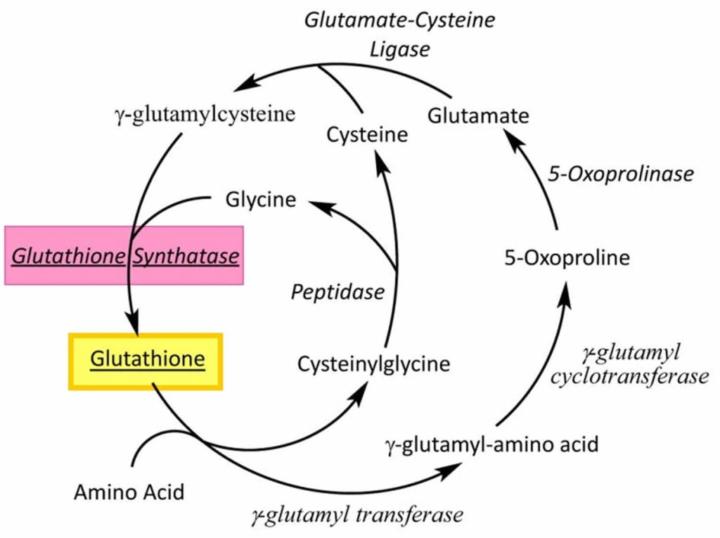
🧪 GLUTATHIONE MADE SIMPLE
Your Body’s “Master Antioxidant” — and how to turn it ON with food If your body had a clean‑up crew, glutathione would be the supervisor. It protects your cells, supports detox, boosts immunity, and keeps inflammation low. But here’s the key: your body can only make it if you give it the right raw materials. 🔥 What Glutathione Actually Does Glutathione is your body’s front‑line defense system. It helps you: - Neutralize free radicals before they damage cells - Support liver detox (Phase 2 — the part that removes toxins) - Regulate inflammation - Protect mitochondria (your energy factories) - Strengthen immune resilience - Support skin clarity + repair When glutathione is low, people often feel: fatigue, brain fog, slow recovery, sensitivity to alcohol/chemicals, dull or inflamed skin. 🌿 The Glutathione Triangle Your body makes glutathione from three key nutrients: 1️⃣ Sulfur‑Rich Foods These are the non‑negotiables. Garlic, onions, eggs, broccoli, cabbage, Brussels sprouts. 2️⃣ Vitamin C Foods Help regenerate glutathione once it’s used. Citrus, berries, kiwi, bell peppers. 3️⃣ Selenium Sources Activate glutathione enzymes. Brazil nuts, sardines, eggs, sunflower seeds. 🥗 The “Glutathione Plate” Build one meal each day with: - 1 sulfur food - 1 vitamin C food - 1 selenium source Example: Eggs (sulfur) + sautéed broccoli (sulfur) + berries (vitamin C) + 1 Brazil nut (selenium) ⚡️ Quick Wins to Boost Glutathione - Add onions or garlic to your first meal - Eat one Brazil nut per day - Add lemon to water or meals - Include cruciferous veggies 3–5x/week - Use turmeric + black pepper to support glutathione recycling 🧬 Why Supplements Aren’t the Whole Story Your body prefers to make glutathione — not swallow it. Food gives you the raw materials and the cofactors. Supplements can help, but food is the foundation. 💬 Community Check‑In Which glutathione‑boosting food do you already eat — and which one will you add this week?
1 like • May 11
Great information once again... great reminder on the food sources too. It's remembering to eat all three that is the challenge!
1-10 of 245

@deborah-balog-9426
Mom to three amazing adult children & three grandchildren. Retired & looking to continue her journey through education and adventure.
Active 5d ago
Joined Jul 12, 2025
Wrentham MA
Powered by