
Write something
Pinned

Dec '25 •
START HERE: Welcome to the Mandala Garden Club!
Your quick guide to getting the most out of this community Hey friends, I’m Paulo, and I’m so glad you’re here. This club was created to bring together gardeners, growers, nature lovers, and anyone who wants to reconnect with the seasons and build a meaningful, beautiful, resilient life. Whether you grow veggies, natives, ornamentals, fruit trees, or you’re just getting started… this is your home. This post will help you get oriented in under 2 minutes. 1. Introduce Yourself Jump into the Introductions thread and tell us: - Where you’re growing - What kind of garden you have (or want to have) - What you’re excited to learn this season We’re all neighbors here, even if we’re spread out across the world. 2. Grab Your Free Resources Inside the club you’ll find: The Kitchen Garden Course, a simple ACTION plan to get your garden started 3. Join the Conversation Post photos, questions, plant IDs, project ideas, or things you're working on. This club works because we grow together, not alone. No question is too basic. No garden is too small. No mistake is too embarrassing, we’ve all made them! PLEASE BE KIND AND NO SELF PROMOTION. 4. Local Members: Join the Meetups If you're in Fort Collins or the Front Range, keep an eye out for: - Garden tours - Seed swaps - Community work days - Workshops and seasonal gatherings These are a huge part of what makes this club special. 5. Stay Connected Check your notifications so you don’t miss: - Weekly posts - Seasonal garden guidance - Local events - New videos and resources If you miss anything, everything stays organized inside Skool. 6. Our Guiding Principles We follow the three permaculture ethics in everything we do: 1. Care for the Earth 2. Care for the People 3. Return the Surplus These aren’t rules, they’re the spirit of how we show up here. 🌼 You're Here. You're Part of This. Let's Grow. Thank you for being part of the Mandala Garden Club.This community is built on kindness, curiosity, and a shared love for the land.
18d •
This Saturday's Meetup
This Saturday at 10:30 AM we'll be gathering at Elephant Garden for our Community Garden Day and Worm Composting Meetup. We'll explore: • How worm composting works • The benefits of vermicompost • A simple homemade worm bin • A larger garden-scale worm system Carola will also guide us through a mindfulness activity in the garden, and we'll walk through some of the design thinking behind Elephant Garden and how you can apply similar ideas in your own yard. If you'd like composting worms, don't forget that pre-orders close Wednesday at 4 PM. We'll have them ready for pickup at the meetup. Order here Bring a hat, water, gardening gloves if you'd like to help, and a snack to share if you'd like. Who's joining us this Saturday?
19d •
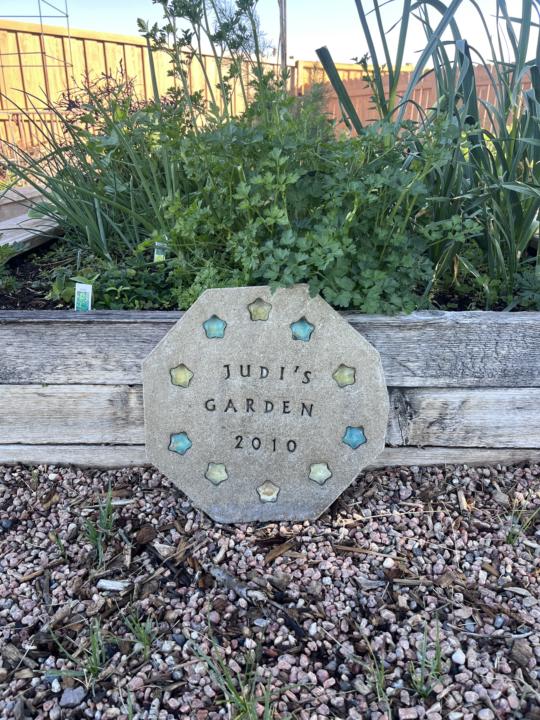
Judi’s Garden
I’m so happy to see this. I hadn’t been in Judi’s garden for almost a month, and it was such a joy to come back and see how much it has filled in. Judi has been putting the coaching into practice, and it shows. We planted densely, combining leafy greens, flowers, perennials, and fruiting crops in the same space. Using succession planting, multiple layers, and a variety of plant shapes and growth habits, we’re making use of every square foot of the bed. I just tasted the spinach, and it was delicious. Around the beds we have rhubarb, squash, and a potato tower growing. While the long-term crops establish themselves, we’re already harvesting leafy greens. No waiting months for production and no wasted space. This is exactly what we’ve been talking about these past few months, and I’m thrilled to see Judi’s garden thriving. A few things worth noticing: • Abundance doesn’t require a lot of space. This garden has only two raised beds and about 50 square feet of additional growing space, yet it’s producing leafy greens, potatoes, rhubarb, mint, raspberries, blackberries, flowers, and more. • One of the garden’s superpowers is the compost system. Not a “maybe I’ll buy compost someday” approach, but a system that continuously feeds the garden, builds soil, and closes the loop right at home. • Dense planting means the soil stays shaded and moist, while weeds have very little room to establish themselves. • Flowers and beneficial plants such as marigolds, chives, zinnias, alyssum, and wild radish are mixed throughout the beds to attract pollinators and help create a balanced garden ecosystem. This garden is proof that you don’t need a huge property to grow a surprising amount of food. Where are you in your gardening journey? How is your garden doing this season?


May 8 •
Lady bugs
This is not a problem! Has anyone else noticed a huge number of ladybugs. I've seen them in my yard, I'll post a photo too. I'm on the SE part of Fort Collins. When I was at our Vet, further east less south, ladies flying! Anyone else having this wonderful gift?
1-30 of 50
powered by

skool.com/mandala-garden-club-3895
A community to learn how to grow food, create beautiful native gardens, and find balance through every season. Includes local meetups in Fort Collins.
Suggested communities
Powered by