Activity
Mon
Wed
Fri
Sun
Aug
Sep
Oct
Nov
Dec
Jan
Feb
Mar
Apr
May
Jun
Jul
What is this?
Less
More
Owned by Paulo
A community to learn how to grow food, create beautiful native gardens, and find balance through every season. Includes local meetups in Fort Collins.
Memberships
Mobility & Injury Prevention
228.8k members • Free
iPad for Architects
1.7k members • $27/month
51 contributions to Mandala Garden Club

9d •
Quick Elephant Garden update!
This summer has been all about building. Between designing, moving materials, shaping garden beds, meeting with the community, and planning our children's programs, we've been pouring every extra hour into bringing Elephant Garden to life. The Mandala Garden is starting to take shape, and every volunteer day gets us one step closer to planting. If you're local, we'd love to have you join us this Tuesday at 9:30 AM for Community Garden Day. No experience needed—just come ready to get your hands in the earth, meet some wonderful people, and help build a garden that's truly for the community, by the community. Hope to see some of you there!
0
0
Jun 1 •
This Saturday's Meetup
This Saturday at 10:30 AM we'll be gathering at Elephant Garden for our Community Garden Day and Worm Composting Meetup. We'll explore: • How worm composting works • The benefits of vermicompost • A simple homemade worm bin • A larger garden-scale worm system Carola will also guide us through a mindfulness activity in the garden, and we'll walk through some of the design thinking behind Elephant Garden and how you can apply similar ideas in your own yard. If you'd like composting worms, don't forget that pre-orders close Wednesday at 4 PM. We'll have them ready for pickup at the meetup. Order here Bring a hat, water, gardening gloves if you'd like to help, and a snack to share if you'd like. Who's joining us this Saturday?
1 like • Jun 3
@Kelly McCarthy 1401 W Vine Dr in Fort Collins. Behind Unity’s building. See you there!
1 like • Jun 7
@Kelly McCarthy sorry to miss you. See you on the next one!
Jun 1 •
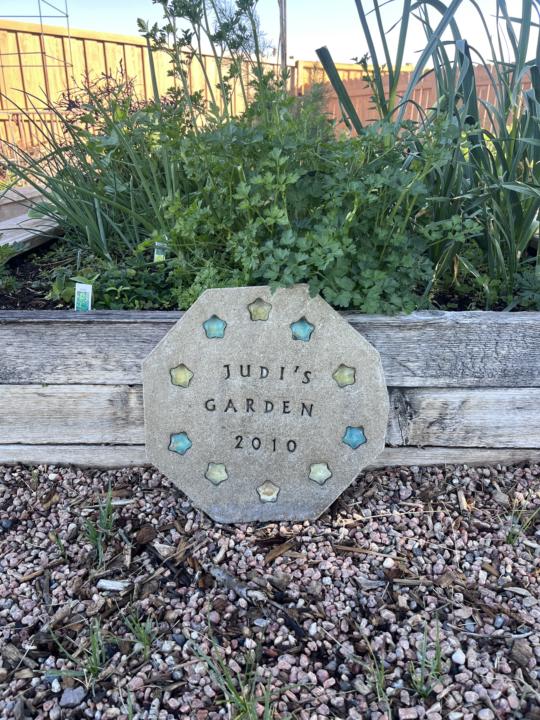
Judi’s Garden
I’m so happy to see this. I hadn’t been in Judi’s garden for almost a month, and it was such a joy to come back and see how much it has filled in. Judi has been putting the coaching into practice, and it shows. We planted densely, combining leafy greens, flowers, perennials, and fruiting crops in the same space. Using succession planting, multiple layers, and a variety of plant shapes and growth habits, we’re making use of every square foot of the bed. I just tasted the spinach, and it was delicious. Around the beds we have rhubarb, squash, and a potato tower growing. While the long-term crops establish themselves, we’re already harvesting leafy greens. No waiting months for production and no wasted space. This is exactly what we’ve been talking about these past few months, and I’m thrilled to see Judi’s garden thriving. A few things worth noticing: • Abundance doesn’t require a lot of space. This garden has only two raised beds and about 50 square feet of additional growing space, yet it’s producing leafy greens, potatoes, rhubarb, mint, raspberries, blackberries, flowers, and more. • One of the garden’s superpowers is the compost system. Not a “maybe I’ll buy compost someday” approach, but a system that continuously feeds the garden, builds soil, and closes the loop right at home. • Dense planting means the soil stays shaded and moist, while weeds have very little room to establish themselves. • Flowers and beneficial plants such as marigolds, chives, zinnias, alyssum, and wild radish are mixed throughout the beds to attract pollinators and help create a balanced garden ecosystem. This garden is proof that you don’t need a huge property to grow a surprising amount of food. Where are you in your gardening journey? How is your garden doing this season?
1 like • Jun 1
@Natasha Shabalin I love it when kids get involved and can get the experience of picking their own veggies from the garden. My son loves harvesting those radishes. I see a full garden in your pictures, looks beautiful, I bet your strawberries are very happy with the southern exposure. Have you try any sorrel? It’s a good companion for the strawberries. And yes, the sun can get pretty tough, I would add trellises where possible and get some climbers going, cucumbers, peas, zucchini. Keep it going and show off for the community! 😄

0 likes • May 24
We are starting to build in the next couple of weeks. Have you signed up for volunteering? I’ve sent emails with the registration link. I’ll be communicating more soon. I hope to see you there!
May 14 •
The Gardener Movie
Hey friends, I few weeks ago a put a request for a screening of The Gardener in a local theater here in Fort Collins. I got a reply that they are working on booking it and that it would help if we can send messages of interest in having the movie screening here. It would be great if any of you is interested to post a comment here so I can send it to them to show interest. Sounds like a cool movie to watch as a group!
1-10 of 51

@paulo-munera-9405
Permaculture designer and garden coach helping families and beginners build simple, low-maintenance gardens with confidence and joy.
Active 8d ago
Joined Dec 1, 2025