
Write something
Pinned
Pinned
⭐
Aug '25 •
🤝Welcome to Media Valley School! Introduce yourself 📢
Salam everyone, Welcome to Media Valley School! I am so happy that you’re here * Please read this post or watch this video till the end to know How to get most out of this community * This community is all about helping you with All stages of life specially with Money making, Healthy Mindset and Healthy Body, Not only these topics we are planning to add more topics like How to find Love of your life and get married, have kids and raise Beautiful human beings and make this world a better place together. 𝗛𝗘𝗥𝗘'𝗦 𝗪𝗛𝗔𝗧 𝗬𝗢𝗨 𝗡𝗘𝗘𝗗 𝗧𝗢 𝗞𝗡𝗢𝗪: 1. The Goal Our goal is simple – to help you with Money Making, Growing your mind and character and taking care of your body. 2. The Community - This is a space for like-minded people to connect, share ideas, and support each other. Stay active and engage! 3. The Classroom - Find valuable resources and lessons inside the classroom to help you take action and start seeing results. If you need video resources on a specific topic then you can post in the community and we will provide those resources to you. 4. The Calendar - We host Weekly / Monthly workshops and Q&A calls in the community. Check the calendar so you never miss out Important Events! ______________________________________________________________________________________________________ 𝗖𝗢𝗠𝗠𝗨𝗡𝗜𝗧𝗬 𝗥𝗨𝗟𝗘𝗦: 1. Be positive – Disagreements are fine, but keep it constructive and respectful. We need your help to make this community THE BEST COMMUNITY so help us by giving us feedback in a positive way. 2. Make an effort – Post in the right category, stay on-topic, and add value. 3. No promotions – No self-promoting, ads, or links to your content. Violating this will get you banned. 4. No DM-ing other members to sell anything or to invite them to another community/group. Please note that scammers will use chats and other groups to communicate with you as we cannot track their activity there. 5. No low-quality posts/spam. Let's work together to make this community a valuable space for everyone.
Pinned

Nov '25 •
🔥 The $10K+ Journey That Started Right Here in This Community
Believe it or not, this community is the reason I scaled to almost $5K+/month and crossed $10K+ on Upwork. Endless duas for @Haroon Khalil bhai and all the brothers who were part of this journey with me. The fun part is it took me only 3 months to go from $2K-$10K on upwork. I really recommend watching the full video, it shows exactly what worked for me. Everything started right here… watching every lesson, staying accountable, building my team, and just showing up every single day. Looking back now, it’s crazy how far you can go when you simply trust Allah, listen to your mentors, keep teaching and learning and simply execute with good niyat. This isn’t just another motivational video. It's a real case study showing the exact phases, numbers, struggles, and lessons that changed everything in my freelance journey. 🎥 What You’ll Learn in this; In 3 phases, I’ll break down exactly how I scaled from $2K → $10K using the same skills, just better systems and mindset: Phase 1 – Getting Started: how daily journaling, one quality proposal/day, and fast client replies built momentum. Phase 2 – Building Strong: templates, SOPs, and delegating edits that turned gigs into retainers. Phase 3 – Growing Bigger: onboarding systems, agency-style workflow, and scaling without burnout. This journey wasn’t just about money — it was about Rizq, teamwork, and gratitude. When others earn with you, your Rizq multiplies. 💡 Core Lessons • Systems > Effort • Consistency > Motivation • Barakah grows when your work benefits others • Gratitude multiplies blessings Comment below once you’ve watched it, I’d love to hear your biggest takeaway.

17m •
Day 17 Journal – 15 July 2026 🌸
Alhamdulillah for a productive day. 🤍 Today felt much better than the past few days. I woke up early in the morning, prayed Fajr, completed my morning adhkar, had breakfast, and then went back to sleep until 2 PM. I'm still trying to fix my sleeping routine, InshaAllah. One thing that really helped me today was creating a to-do list with the help of ChatGPT. It kept me focused, and I enjoyed ticking off each task as I completed it. Today's achievements: - 🌅 Woke up early. - 🕌 Prayed Fajr and completed my morning adhkar. - 🍳 Had breakfast. - 🧹 Cleaned my room. - 👕 Ironed all my clothes. - ✅ Completed around 70% of my to-do list. - 🕌 Prayed all five prayers with focus, Alhamdulillah. The only task I couldn't complete today was studying, but instead of feeling discouraged, I'm happy that I made progress in other areas. Reflection: Today reminded me that productivity isn't only about studying. Building good habits, staying organized, and completing the tasks I planned are also forms of progress. I'm proud that I followed most of my to-do list, and InshaAllah, tomorrow I'll work on adding a focused study session as well. One step at a time. 🤍
2
0
29m •
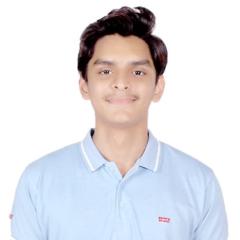
Day 10 (14-July-2026)
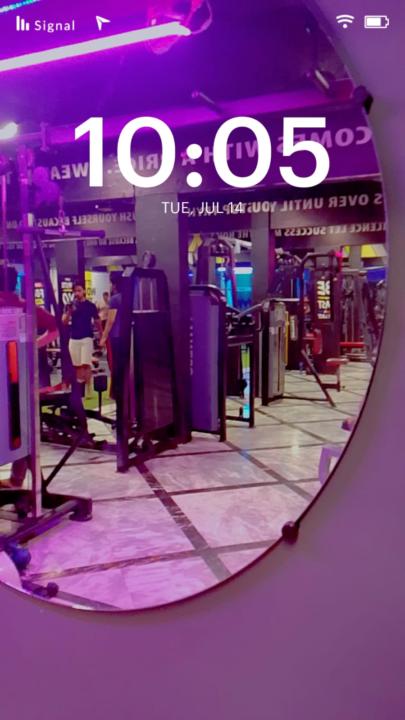
Same routine with discipline (Alhumdulillah) Slept at 5am after praying fajr got up at 1pm went to school for some 15 mins work where i am the teacher of (Maths and Physics) now a days school is closed for vacation well afterwards get back to home nashta kiya and then started taking tuitions which goes all the way from 3pm to 9pm with different students of different levels phir gym time iske in between har namaz parhi and then now i am here back in the community for learning.
2
0
1-30 of 34,770
powered by

skool.com/make-1k-5k-in-30-days-8449
Media Valley School is the fastest way to hit $1K/month with freelancing or agency work. Guaranteed.
Land your first $1K month in 30 days
Suggested communities
Powered by