

4d •
Small Shifts Newsletter — May (Connection & Reciprocity)
May brings us into relationship — with people, places, and the wider systems we’re part of. This month’s small shift is Connection & reciprocity. Where does exchange feel nourishing? Where does it feel unbalanced? At this time of year, it’s easy to see these relationships more clearly on the land. Here on the croft, the chickens are moving periodically through the garden spaces — scratching, turning the soil, eating pests, and leaving fertility behind them as they go. In return, we make sure they are fed, watered, safe, and content. What they give back comes not through force, but through being part of the system. The same is true with the goats. As we move into milking, there’s a deepening of that relationship — one that relies on trust, consistency, and care. Even the swallows, newly returned, are part of this web. We offer them a safe place to nest, and in turn they sweep through the air, feeding on the midges that thrive in our damp climate. None of these relationships stand alone. They form quiet cycles — each part supporting the others in ways that are often subtle, but deeply important. This month’s theme of connection and reciprocity also asks something of how we see. Many of the plants we pass by every day are already in relationship with us — we just don’t always recognise it. I’ve been working on a small seasonal guide called Seeing Edimentals, which will be ready shortly. It focuses on a handful of familiar garden plants — hostas, magnolia, goldenrod, pink purslane, and mahonia — all of which have simple culinary uses at this time of year. What interests me isn’t just that they’re edible, but what changes when we begin to see them differently. A plant that was once ornamental becomes part of a wider system: something that can nourish, support, and be supported in return. That shift in perception opens up new possibilities — not through adding more, but through recognising more. If you’d like to explore this when it’s ready, I’ll share it in the community over the coming days.
2
0
21d •
April: Tending what’s already growing
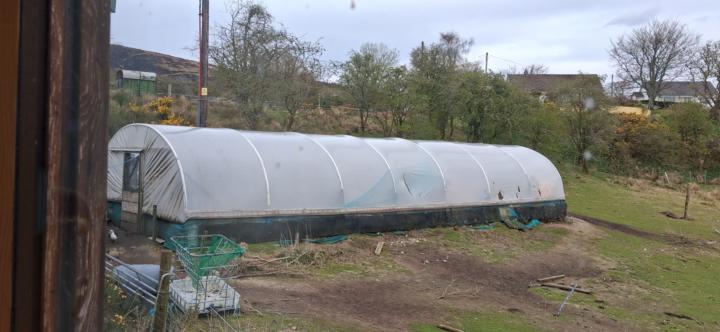
At this time of year, there’s a natural pull to expand — to sow more, do more, begin more. But many of us are already tending a great deal. Family, ageing parents, land, animals, work, students… Each one a living system requiring care, attention, and energy. When we overextend, something gets neglected. And often it’s not the obvious things. It’s the quieter layers: - relationships that need time rather than efficiency - our own energy and capacity - thoughts and patterns that shape how we respond to everything else Left untended, these don’t stay still — they grow, just not always in the direction we would choose. This is where the foundations of practice matter. Learning how we think and how we see (PP1 & PP2) isn’t just about land. It’s about recognising what is actually present — both visible and invisible — and responding with care. A few prompts for this week: What am I already responsible for tending? (name it honestly) Where is something asking quietly for attention? What feels slightly “off course” but still recoverable? What small act of care would make a difference here? Small, attentive shifts now prevent much bigger interventions later. That’s tending in practice.
14d •
Consistency versus intensity
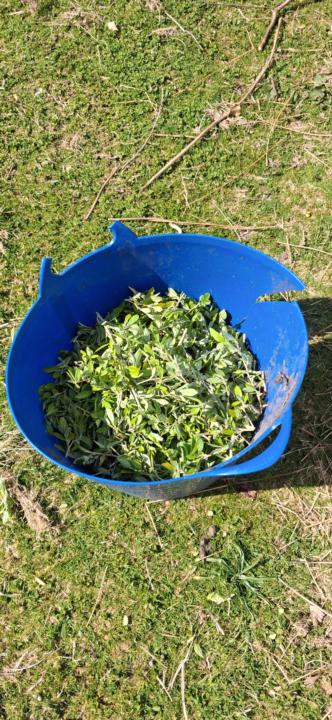
April: Tending what’s already growing I’ve been thinking about the difference between consistency and intensity. Around here, many “gardening” services arrive with a van full of power tools. Everything is cut back hard, cleared quickly, loaded up… and taken away. Then the cycle repeats a few weeks later. It looks efficient. But I’m not convinced it serves the land — or the people — particularly well. My approach is much quieter. I tend to keep secateurs in my pocket and move slowly through the garden whenever I’m outside. A snip here, a small adjustment there. Almost daily, when the weather allows. Over time, this light, consistent attention: – keeps things in shape – provides cuttings for propagation – creates mulch – feeds livestock – returns nutrients back into the system No petrol. No noise. No sudden shock to the landscape. Just small, ongoing care. It’s easy to assume that doing things faster or more forcefully is somehow better. But in many cases, it’s simply more visible — not more effective. Tending asks something different of us: patience, presence, and a willingness to work with what’s already here. Small, steady actions don’t look dramatic. But they’re what allow systems — and relationships — to truly flourish. This is the kind of thinking behind the Small Shifts approach — learning to notice, then respond with care.
Apr 2 •
Small Shifts — April newsletter
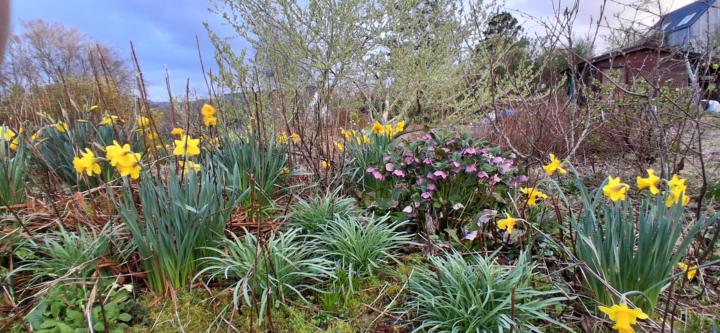
We’re already a quarter of the way through the year. April invites a different kind of energy — not more ideas, not more plans, but care. This month’s small shift is Tending what’s already growing — choosing care over expansion. That can feel counterintuitive, especially here in the northern hemisphere, where everything in us wants to sow, start, and push forward. But every system we begin brings a responsibility with it. The question is not just what can I create? — but what can I realistically care for? Here on the croft, that feels very real. There’s new life to tend — goat kids already, and goslings expected soon. With that comes responsibility. Aerial predators are part of the system here; crows will work together to distract the adults while another swoops in. It’s a reminder that care isn’t passive — it’s attentive, responsive, and sometimes protective. In the forest garden, all the layers are beginning to come to life again. Growth is happening whether I intervene or not. My role is to notice what needs support, not to overwhelm the system with more. I’m looking forward to hosting a forest garden session next week — an opportunity to share that way of seeing in practice. Care extends beyond land. I’m really pleased to be mentoring a small group through the PDC pathway, and to continue supporting a student nurse in Jerash through our community healthcare scholarship. These are also living systems — relationships, learning journeys — and they need the same kind of steady attention as any garden. On the learning side, the full Permaculture Practice series is now available as ebook and audio bundles on my website. I’ll also be sharing short monthly Small Shifts in Practice videos there — a way of grounding these ideas in lived experience, season by season. We’ve started using the Skool space more actively too. Our recent PDC call was a good reminder that learning deepens when we connect. I’m wondering whether a more informal community call might be something worth trying — something simple, human, and optional. Let me know if that’s something you’d value.
1-30 of 36
powered by
skool.com/living-lightly-5157
A community space for applying permaculture thinking and living lightly— on and off the land, in body, mind and spirit, through small, steady shifts.
Suggested communities
Powered by