
Pinned

⭐
Jan 18 •
🗽 START HERE: How to join our Group Calls!
We built this community for people who want to talk, not just scroll. The real action happens in our group calls, where we argue ideas in good faith and tackle the week's biggest global events. Here is how you can participate: 🔥 1. Open Calls These are our public town halls. Open to everyone. Whether you want to take the stage to challenge a point or just listen in, this is the "public square." 💎2. Premium Calls For members who want to go deeper. These calls are exclusive to our supporters and offer a space for more focused discussion and priority access. - 📅 Check the Schedule & Join Here: https://www.skool.com/libertypolitics/calendar - 💎 Become a Premium Member: https://www.skool.com/libertypolitics/plans Heads up: We believe these conversations are worth sharing! Our group calls are recorded and may be posted to our social media channels. By joining the stage, you’re helping us bring these important discussions to a larger audience. By participating in group calls and voice discussions, you consent to being recorded. 👋 New to the group? Say hello! We want to get to know you. Drop a comment below to introduce yourself. Tell us where you're from and what you like to do for fun (outside of arguing politics!). Welcome to the community!
20h •
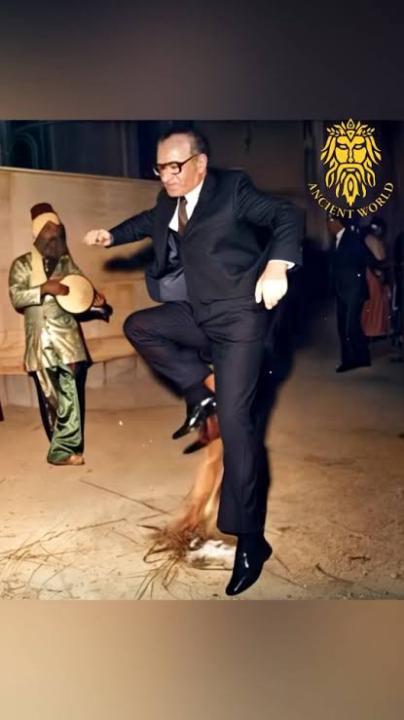
Scarlet Wednesday 🦁🟩⬜🟥
Scarlet Wednesday (Iranian Translation: چهارشنبه سوری, Chehārshanbeh Suri) is an Iranian (Aryan) festival of the fire dance celebrated on the eve of the last Wednesday of the year of a Zoroastrian origin. It is the first festivity of Nowruz the Iranian (Aryan) New Years The images provided is of Tehran, Iran in the 1970s where prominent individuals like the Monarch himself Shāhanshāh Mohammad Reza Pahlavi participates in Chehārshanbeh Suri by jumping the fire ritual along with his wife Empress Farah Pahlavi, Prime Minister Amir-Abbas Hoveida and famous Iranian celebrity singers Mahasti and Haideh whom are all participating in the fire jumping ritual like all Iranian People the purpose of which is to symbolically cast away sickness, misfortune, and negative energy from the past year while receiving health, fortunate, warmth, and positive energy from the fire in preparation for the new year. Make Iran Great Again 🦁🟩⬜🟥 Long Live The Shāh Pahlavi 🕊️💜💯 Imperial IRAN 👑☑️ Zoroastrian IRAN 𔓙🔥 Payandeh IRAN 🕊️💜💯 2,500+ years of Iranian Monarchy 7,000+ years of Iranian Civilization
⭐
2h •
After Larijani: The Final Targets Inside the Islamic Republic
With Ali Larijani and Gholamreza Soleimani eliminated, the Islamic Republic is fractured. But who is actually left to keep it alive? The remaining figures fall into three categories. First are the symbolic targets like Mujtaba Khamenei, Eje'i, and Pezeshkian, who hold little real power but whose removal would shatter morale. Second are the operational enforcers keeping the regime breathing: Radan, Maj. Gen. Ali Abdollahi, Hossein Nejat, Ahmad Vahidi, and Ghalibaf. Finally, there are the sidelined reformers like Hassan Rouhani, Mohammad Khatami, and Hassan Khomeini, who the regime might desperately use to rebrand. Here is the full breakdown of why these individuals matter and what happens if they fall next.


3d •
HAHA TUCKER CARLSON FACES PRISON TIME!!
CIA and other departments were monitoring IRGC devices, when shockingly they noticed who some of these people were talking to! Tucker wants to say he’s in trouble cause he talked to people in Iran before the war, but if you use your brain, you’ll understand you don’t go to jail for that lol. You go to jail for treason/collusion.

14h •
How does bombing school girls and heritage sites help Iranians?
Anyone want to explain to me how this is a liberating act? This war is only happening because Jeffery Epstein was a mossad agent and gave Israel dirt on Trump. Are dead school girls worth that?
1-30 of 2,528

skool.com/libertypolitics
Talk politics with others who care, in live calls and community posts. Share your views, ask questions, or just listen in.
Leaderboard (30-day)
1
+490
2
+329
3
+318
4

+299
5
+281
Powered by