
Write something

Apr 13 •
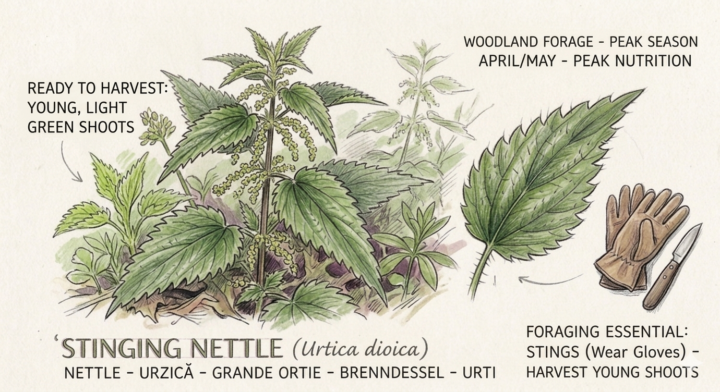
🌿 The Power of Stinging Nettle
Don't let the "sting" fool you, Stinging Nettle (Urtica dioica) is one of the most nutrient-dense ingredients in the forest. As we transition through April and May, it becomes a star of the global pantry for those who know how to handle it. 🛡️ Foraging & Safety The most important rule: Wear gloves. The tiny stinging hairs are neutralized instantly by heat or drying. Once blanched in boiling water for 60 seconds, they are 100% safe and delicious. 🧪 Nutrition & Flavor The Superfood: Ounce for ounce, nettle is higher in protein than almost any other leafy green. It’s a powerhouse of Iron, Calcium, and Vitamin K. The Taste: Deeply "green," mineral, and earthy—similar to a robust, concentrated spinach with a wilder edge. 🍳 Kitchen Versatility: Smoked Salmon & Nettle Frittata Since nettle pairs beautifully with rich fats and seafood, this is a perfect modern way to use your April harvest. 1. Prep: Blanch 150g of young nettle shoots (April/May peak) in boiling water, shock in ice water, and squeeze completely dry. 2. Mix: Whisk 6 eggs with a splash of cream and 50g of Parmesan. 3. Assemble: Sauté a chopped leek in butter, stir in your chopped nettle and 100g of flaked smoked salmon. 4. Cook: Pour the eggs over the mix. Cook on the stovetop until the edges set, then finish under a hot broiler for 2 minutes until golden and puffed. 💡 Chef’s Tip: Treat blanched nettle as a 1:1 substitute for spinach in soups, pestos, or even pasta dough for a vibrant, deep-green color and a major nutritional boost. What’s your favorite "wild" ingredient to swap into everyday recipes? Let’s talk below! 👇🌿✨
Apr 15 •
New class
I'm thinking of adding a new class. "How to build a restaurant menu" including trend selection, recipe, work flow, pricing etc
Poll
6 members have voted
4
0
Apr 10 •
🖋️ More Than a Uniform: The Legacy of the Apron
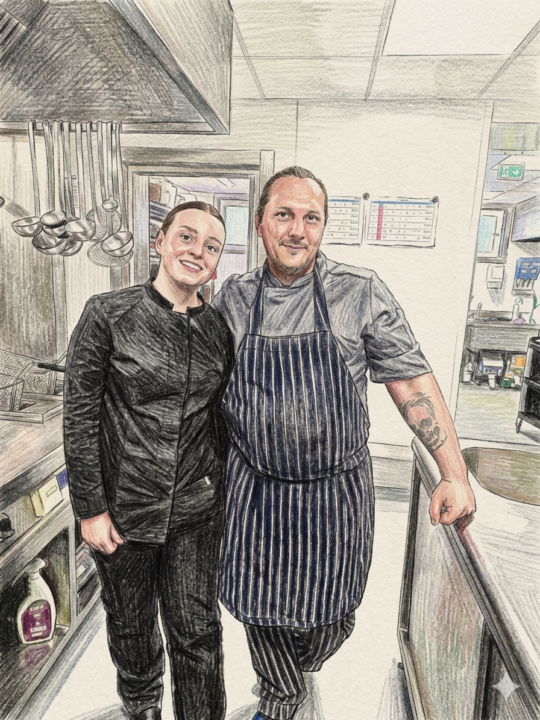
Time in a kitchen is measured in the heat of service, the pressure of a full rail, and the silent, profound growth of the people beside you. Six weeks ago, a very nervous Manon from Brittany walked in, genuinely terrified and without her apron. Today, on her last day at Novotel Luxembourg, she stood as a different person; a confident professional. We started this morning on a high note, and my heart was full. Manon, knowing I have a serious sweet tooth, brought in a box of local artisanal chocolates as a heartfelt "merci." It was the perfect start to a day that I knew would be hard to finish. The shift itself was a dream. We worked in that rare, perfect rhythm where words aren't even necessary. We laughed, we joked, and yes, I teased her one last time about "not forgetting her apron this morning"; and we simply did an amazing job. The hesitation from her first week has vanished. She believes in herself now. She knows she is capable, and watching her square her shoulders for that final push was a moment of pure pride for me. Over the last month, in the quiet gaps between tickets, we talked about more than just plating. She spoke so passionately about her home in Brittany that she’s completely convinced me it’s my next camping destination. We traded stories and debated the world’s flavors; she wasn't just a "stage" anymore, she became a part of the kitchen’s soul. Before we said our final goodbyes, I sharpened her knives for her. It felt like a sacred act, a way of ensuring her tools are as sharp as the skills she’s honed here. I gave her a hug, took this final photo, and made her promise to keep in touch. In my kitchen, her place is permanent. I’ve never hidden my doubts about the future of this industry. I am honest to a fault about the bitterness of this trade. Manon didn’t change my mind, but she did soften my heart. She reminded me that while the industry can be bitter, the people we help grow are the sweetness that makes it worth it.
Apr 11 •
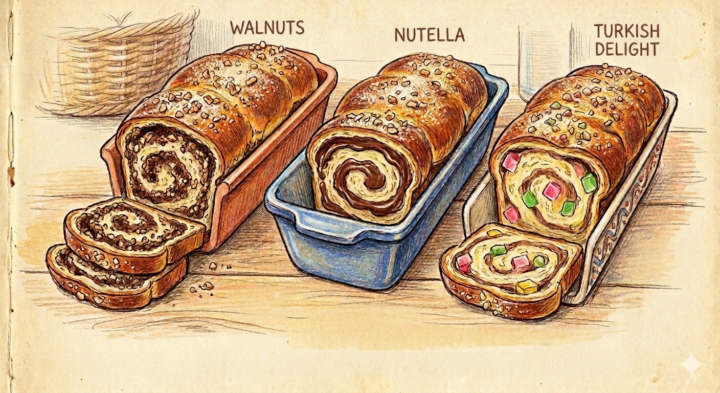
🍞 Cozonac with Nutella (Romanian Sweet Bread)
Prep time: 45 mins | Rising time: 2–3 hours | Bake time: 45 mins | Makes: 2 loaves 🛒 Ingredients For the Dough: 1kg Strong white bread flour (sifted) 500ml Whole milk (warm, not hot) 50g Fresh yeast (or 14g dry yeast) 250g Caster sugar 200g Unsalted butter (melted and cooled) 6 Egg yolks (room temperature) 1 tbsp Vanilla extract & Zest of 1 lemon and 1 orange 1 tsp Salt For the Filling: 400g Nutella (slightly warmed for easy spreading) Optional: 150g chopped walnuts or hazelnuts for crunch For the Glaze: 1 Egg beaten with 1 tbsp milk A sprinkle of raw sugar 👨🍳 Instructions 1. Activate the Yeast In a small bowl, mix the yeast with 1 tablespoon of sugar and a little warm milk. Let it sit for 10–15 minutes until it becomes foamy. 2. The Mix In a large bowl (or stand mixer), combine the flour and salt. Create a well and add the yolks, sugar, vanilla, citrus zests, and the yeast mixture. Slowly pour in the warm milk while mixing. 3. The Knead (The Secret Step) This is where the magic happens. Gradually add the melted butter while kneading. You need to develop the gluten until the dough is elastic and no longer sticks to your hands. Pro Tip: If kneading by hand, use the "fold and slap" method for about 20–30 minutes. 4. The First Rise Cover the dough and leave it in a warm, draft-free place for about 1.5 to 2 hours, or until it has doubled in size. 5. Shape and Fill Divide the dough into four equal balls (two for each loaf). Roll each ball out into a rectangle. Spread a generous layer of Nutella over each, leaving a small border. Roll them up tightly like cigars. To get that classic look, take two rolls and twist them together like a braid. Place into greased loaf tins. 6. Second Rise & Bake Let the loaves rise in the tins for another 45 minutes. Brush the tops with the egg wash and sprinkle with sugar. Bake at 170°C for 45–50 minutes. If the top browns too quickly, cover loosely with foil. 💡 Chef’s Note: Wait at least an hour before slicing! Cutting into hot cozonac collapses the airy structure you worked so hard to create.
3
0
1-30 of 117
powered by
skool.com/kitchen-passport-1509
From the world's kitchen's to the family tabel.
Learn global chef secrets and professional techniques, adapted for quick and flavourful family meals
Suggested communities
Powered by