
Write something

May 1 •
WE ARE MIRRORS
Think of it like this - Light = truth/honesty. Dark = deceit/dishonesty. When you are dishonest with yourself, you create a "shadow" between you and the light (truth/honesty). Be honest with yourself n others. Be a "shadow free" mirror. Let there be nothing but light between us

🔥
Feb 19 •
Fasting as Fastening: Why mere deprivation fails to clear your system
We’ve been conditioned to believe that fasting must be an ordeal, a grueling slog of forgoing chocolate, wine, or social media. But viewing this time solely through the lens of lack is a dead end; it keeps you locked in a civil war with yourself, fixated on the void instead of the foundation. Often, we try to force stillness through sheer discipline, craving less stress, less outrage, less restlessness. Yet, as long as we only strip things away, we create a vacuum—one that’s quickly backfilled with the same old narratives we spin about ourselves and the world. The real power lies in fully inhabiting the space between stimulus and response, sensing what actually sustains you at your core. The true essence of fasting is fastening, making yourself firm, finding your anchor. It is less about what is lost and entirely about what you bind yourself to. Especially as the Year of the Fire Horse gathers pace, urging us toward clarity with its forward momentum, this anchoring becomes the decisive turning point. This period is an invitation to clear your inner space. It’s the choice to heed your inner calling and mindfully explore what is truly essential. By anchoring yourself consistently to this core and letting the peripheral fall away, you make room for the new. Fasting is a systemic recalibration, a radical alignment that allows your vitality to flow with reclaimed power. Take this radical realignment and turn these forty days of Lent, a season mirrored by the shared spirit of Ramadan, into an expansion of space rather than an exercise in lack. By pausing in the gap between stimulus and response, you intercept the habitual inner dialogues and stories. Opt for conscious perception over judgment, let your system breathe, and reclaim your agency. This elevates realignment from mere discipline into a lived experience of integrity. It is fascinating to witness what emerges when action springs from this inner coherence instead of a knee-jerk reflex. What are you consciously aligning with and anchoring yourself to now, because it truly matters to you?
Apr 30 •
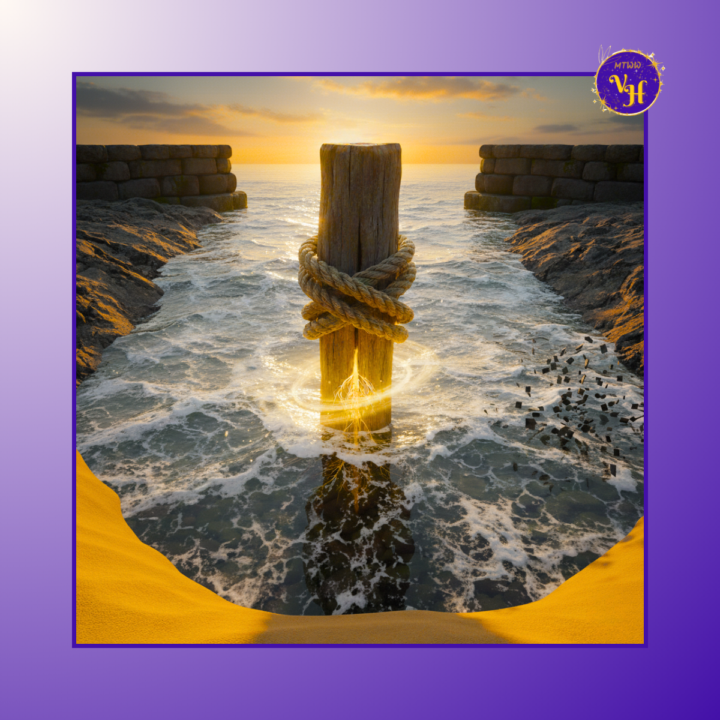
THE POWER OF RUTHLESS INTERNAL HONESTY
I'll keep it simple. Our outer world is a reflection of our inner world. Refuse to lie to yourself, no matter how fine the reason and no one else can lie to you either. In fact, when they do, the ruthless honesty "flashes" n destroys the lie/liar in front of you. I can only tell you how to get this power You have to claim it yourself. I only show it can be done. The painful truths y'all hide from will not kill you to face. Facing those will empower you. I cannot do it for you. You must do it for yourself Power up
1
0

Aug '25 •
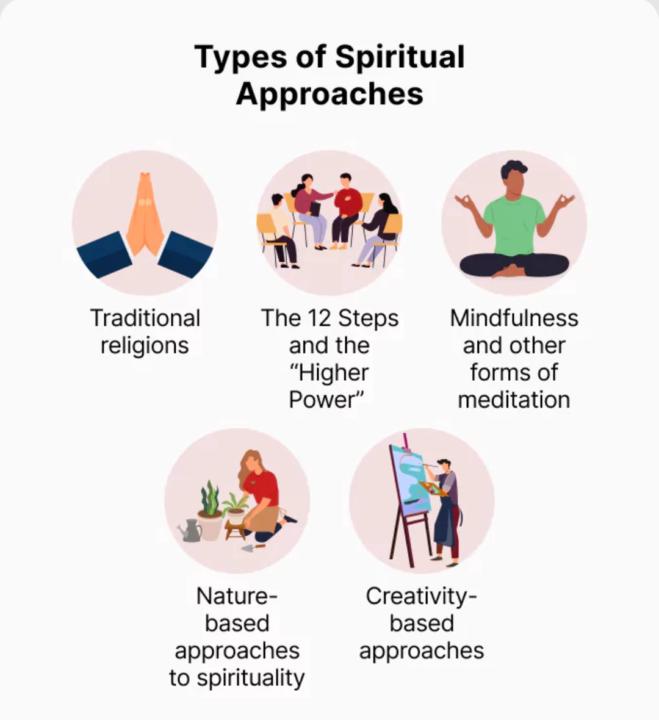
🌿Habits and types of spiritual wellness 🌿
🌿 Daily Habits for Spiritual Wellness 🌿 - Prayer--time with God, quieting oneself and listening, - Fasting--fasting from the things that separate us from God, from being more attuned with reality - 🧘♀️ Mindfulness/Meditation/– taking even 5 minutes to ground yourself - 📖 Reflection/Reading – spiritual texts, affirmations, or journaling. - 🙏 Gratitude Practice – naming 3 things you’re thankful for each day. - 🌞 Connection with Nature – walking, grounding, or simply enjoying fresh air. - 🤝 Acts of Kindness – giving, helping, or uplifting others. Question:✨ Which of these do you already practice? What’s one habit you’d like to add to your routine?

Jan 3 •
Wellness Thru Connection ☕️
The warmth of your favorite hot drink on a cold day… Feeling like your heart really connected with someone today in a unique& special way 💞 It can be these simple things that feel so good 💆🏻♂️ I feel it in my body. Sometimes I even feel the words someone says as a physical sensation of touch hug I have to remind myself that yes we can be “furiously motivated entrepreneurs” 💢 But those small wins on connection are a different vibe … That’s why I wanted a social and community business… Bc “success” to me without “connection” felt half empty… 😔 I Have to remember to allow myself to regenerate my energy and then I’ll feel a wellness of inspiration to share The “hustle culture” is totally draining and exhausting if I didn’t want to do organically do it; I just felt like “I was supposed to” Whose standards are you living out of anyway? Let all those fake standards melt away 🫠 Be free be well 🌀🌀
1-14 of 14
powered by

skool.com/inspired-life-empowered-being-7894
⭐Inspire.Empower.Live. Supportive skool where we are encouraged to increase our awareness, take action, and thrive through life's adventures.💪💕
Suggested communities
Powered by