
Write something
Pinned
7d •
How to add the Tea without spoiling the recipe
OK. I have not started on the classes yet and I will. BUT I have a question: How many were taught to cook by watching? Does that make it more difficult to write them out? My grandmother Josie (1917-2010) taught me by showing me, but she also told stories/tea during it that set the cooking times and sometimes had a substitution to the recipes in it. So last week I was making this dish for a friend and I told her the following as I prepared it. Would writing it like this in a cookbook then followed by the formal recipe work for people? or does this need to be removed? My Grandmother Josie her Grandmother Camellia made Zucchini & Prosciutto roll ups and would add minced dates & sultanas in them. So as we would make them my Grandmother would take the cleaver and demonstrate how her Grandmother would pulverize them into tiny flakes while saying the Hail Mary prayer then sprinkle them in with a baby spoon like a queen offering favors. My grandmother would then say that her mother, Providencia, hated the dates, and loved the sultanas, but since sultanas made Salvadore (her husband) act sinfully she would roll Frantoio olives in sugar (and my grandmother would demonstrate this) chop them with a cleaver & pulverize them with a masher muttering "Avrei dovuto dare ascolto al tuo avvertimento." three times before adding them in. My Grandmother Josie said that American stomachs are stupid & don't deserve sultanas, dates or Frantoio, so she adds enough capers to fill the bottom of a tea cup and smash each one with a fork so all the liquid comes out while saying the name of that boss that makes you uncomfortable. Then you scrape it into the bottom of the pan to be buried by the sauce and the roll ups. Finally you bake it in the oven for as long as it takes to swig wine from the bottle while chanting the "Our Father" prayer in Latin, then cleaning up the kitchen and setting the plates. Roughly 35 minutes. Camellia's had a somewhat sweet/sour taste. Providencia's was fruity & bitter.
Pinned
🔥
9h •
THIS IS MY PROMISE TO YOU
I promise, truly promise to teach you how to write evocatively, writing that draws your reader into your story - watching, smelling, listening, tasting it! Watcha waiting for? Head to the classroom and have a look around. If your favourite genre isn't in there, let me know what you'd like to learn.

Pinned
🔥
12d •
MEET YOUR COACH IN RESIDENCE (A BIT ABOUT ME)
You’re hungry to write about your favourite subject, food? Whether you’re a beginner or seasoned writer, no matter what kind of food writing you do or want to do, this course is for you. I’ve been a steadfast observer of how people write about food for decades. I suggest you do as I do: read everything you can in the genre. Note how different writers pen their stories. When I returned to South Africa after living in New York, and after the ensuing years I had a radio show in which I reported on my culinary travels across South Africa. During this time I was contacted by a publisher (thanks, @Colin McGee)who said, “you really should write a book”. And so I wrote my award winning book, Delicious Travel (Culinary Adventures around South Africa). In the book I wrote about destinations and hideaways, the owners of which all had a passion for food. The more I became acquainted with cooks and chefs, the more I wanted to acknowledge them and indeed, celebrate them. That was when the germ of an idea formed, which became my second book, Food Gurus Uncovered (South African Cooks Celebrated). The extraordinary line-up of cooks - and chefs - was a journey of discovery and delight. The book was a best seller. And so with food comes our stories. The bygone times of our childhood, growing up around the kitchen table, the first home-cooked meal we prepared, and those rituals during meals with family and friends. I hope my course inspires you to write yours. Bill Gallagher, past President of the World Association of Cooks’ Societies and Honorary President, South African Chefs Association (now sadly deceased): ‘Gwynne Conlyn is an icon in the world of food and wine and promotes good food, good wine, chefs and cooking with boundless energy and wonderful enthusiasm. Her many years as a writer, and indeed a connoisseur, places her at the forefront of culinary journalism.’
3h •
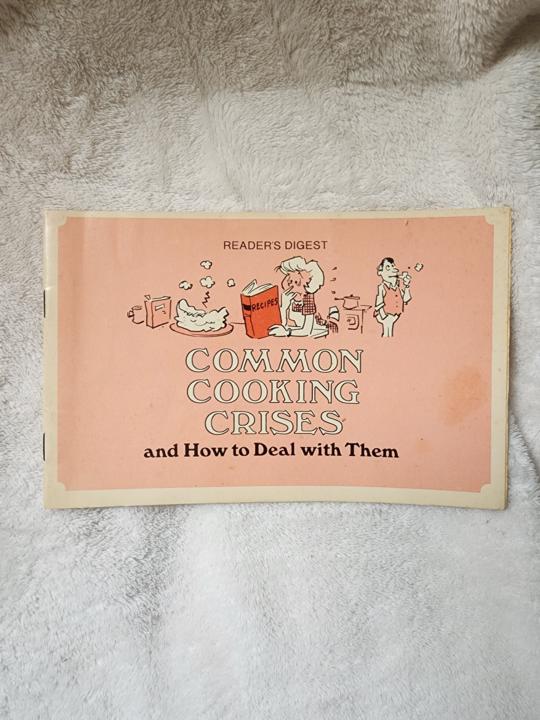
Cookbooks
A lot of modern cookbooks seem to gloss over skill sets. As a bookseller, I love finding old cookbooks, rediscovering some lost classics - some which should remain lost- and discovering different ways of doing things. I have no formal cooking training, just what my Grandmothers taught me (those two women would fight over what a small onion means), what I gleaned from my mom and her elimination weight loss diets (ever toast a rice cake to make a liverwurst sandwich? No? Lucky you.) and my own family with many food allergies. These cookbooks are a blessing for me. Do you all have any that are helpful to you? Post them here!
0
0
3h •
Mixes-stick to the rules or go crazy?
Do you ever buy a premade mix from the discount shelves and use it for something other than what it is for? If so let me know what you have done. Currently I have Matza mix as it goes 90% off after each holiday. We do not like matza, but I use it to make a rue, to bread fish, in meat balls and even in breads. I'm currently creating something with falafel mix. Not sure what yet, currently looks like it escaped from the grandkid's playdoh. I'm noticing that a lot of people don't understand how to substitute ingredients and it would be interesting to have a meal plan that explained the substitutions.
0
0
1-30 of 196
powered by
skool.com/how-to-write-about-food-8335
Write. Publish. Profit.
Hungry to write and make money?🥇 You've just found the number one place to create your evocative, publishable food writing.
Suggested communities
Powered by