
Write something
Pinned
⭐
5h •
the consciousness of allowing + Replay below!
hey everyone! awesome call today! we went deep on the Consciousness of Allowing, know that the thing you're seeking isn't something you need to attain Albert Einstein said, "You cannot solve a problem from the same level of consciousness that created it." the more we accept where we are, the easier it becomes to SHIFT into a higher state of consciousness if you want to watch the replay, it's below here is a free 7 day trial AND you can join the live call on Sunday! → https://www.skool.com/highvibeschool/about HW for today: ✨ what was your BIGGEST insight from today’s call? share it in the comments below and let me know if you want more LIVE calls like we did today!
Pinned
⭐
2d •
Costa Rica invite for those in High Vibe tribe! July 21st to the 26th
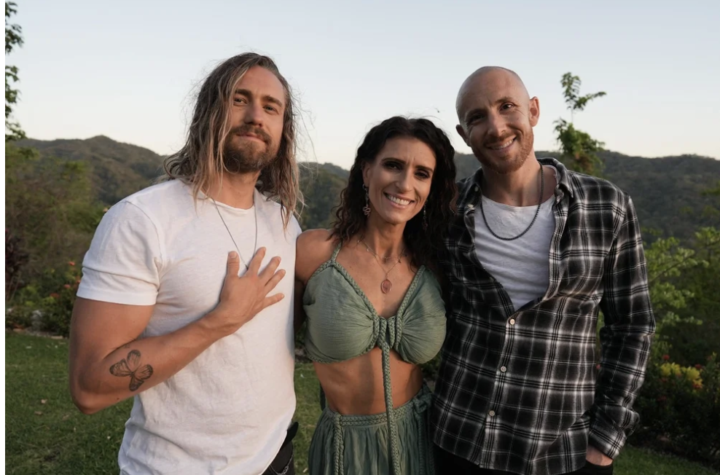
I know this is short notice but… I trust that the right people will see this email that are supposed to! 2 spots just opened up in our upcoming Costa Rica Ayahuasca Retreat that takes place only ONCE a year in Costa Rica! you are seeing this because we prefer to have people there that have been doing the work and that's why I priortize those And that means possibly YOU! the dates are July 21th to the 26th! what it is… this is an all inclusive plant medicine retreat that my friends Victor and I “organize” in Nosara, Costa Rica we work with AMAZING shamans (with decades of experience) that run the actual ceremonies. this annual retreat involves 3 nights of ayahuasca the details… If you want all the details you can click the link below https://www.soulinaretreats.com/ this retreat is all about people coming together for the purpose of healing, transformation, and connection Who feel a natural calling to the medicine… There is an application process and you must get on the phone to see if its a fit However the healing and transformation that goes on at these retreats is MAGICAL and the connections, the bonds, and friendships are priceless. It can be hard to meet like minded souls… but this retreat will be filled with them PS… Please only apply if you feel called to work with the medicine… this is not for everyone… however, for those that feel called, it can be absolutely life changing. you can learn more and apply here https://www.soulinaretreats.com/
Pinned
⭐
Jan '24 •
Welcome into High Vibe Tribe!
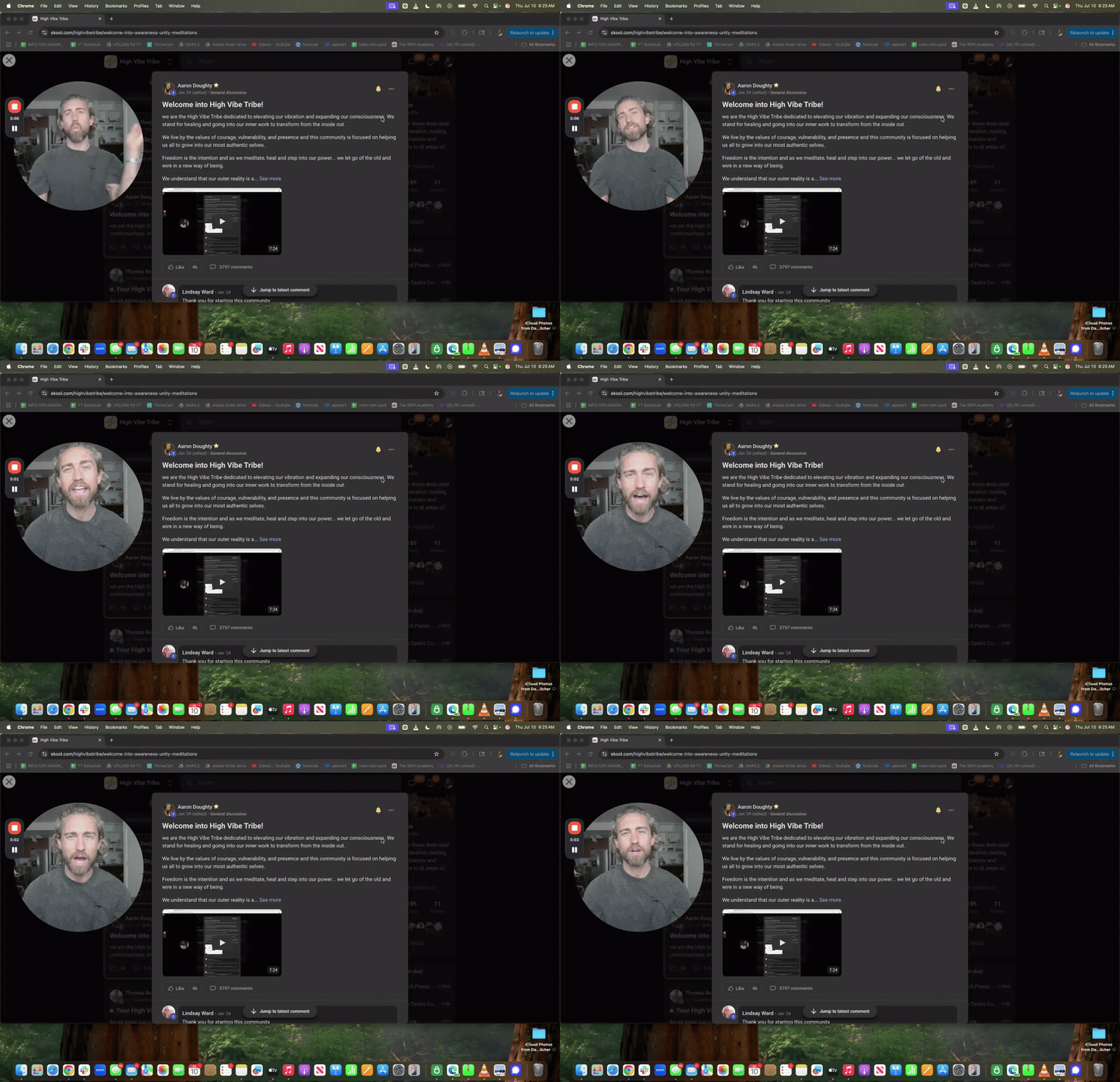
we are the High Vibe Tribe dedicated to elevating our vibration and expanding our consciousness. We stand for healing and going into our inner work to transform from the inside out. We live by the values of courage, vulnerability, and presence and this community is focused on helping us all to grow into our most authentic selves. Freedom is the intention and as we meditate, heal and step into our power... we let go of the old and wire in a new way of being. We understand that our outer reality is a refection of our inner reality and rather than blame the outside or try to fix it, we look at ourselves and let go of parts of ourselves attached to the beliefs, patterns and past "familiar" energies keeping us locked in the past. When you go through a spiritual awakening many feel like the lone wolves in their family. This community is a way to connect with other people like you… dedicated to healing the past, spiritual growth, and creating their dream life. This is not about surface level change or thinking better thoughts… it’s about doing the inner work, looking at subconscious parts most people avoid (the shadow) and creating inside out transformation. There are some Rules for this community to keep it a safe space… 1. Absolutely no selling or promoting other groups/events. This includes directing messaging other members. Members who break this rule will be banned from the group. 2. Posts should either add value and be well thought out. Lets create a high vibe, supportive community section 3. No posting “who else lives in New York?” Etc these will be deleted as if everyone posted them the group will be flooded with it. if you want to learn how to see who lives in your city I share in the video below 4. Be supportive and accepting of other people. Like posts, support other people and encourage them.

🔥
just now •
The Secret Season of Making Something New.
I'm building something right now that I'm not allowed to talk about yet and the not talking about it part is harder than the building. It's the kind of thing people have been asking me for for years, and I finally said yes to making it. There's something so specific about working on a thing in secret. You're excited and you can't tell anyone and it sort of bubbles under everything you do. 💬: What's something you keep wishing existed a tool, a product, a service, anything that nobody's made yet? Genuinely curious what you'd want. Tell me below.
0
0


6m •
The meaning of life, according to Buddhism.
(IT'S NOTHING LIKE WHAT YOU THINK) Many people spend their entire lives asking: "What is the meaning of life?" They search for it in success. In money. In relationships. In achievements. But Buddhism offers a very different answer. The Buddha taught that the purpose of life is not to endlessly chase happiness... but to understand yourself so deeply that suffering no longer controls you. 1. Life is meant to be awakened to, not merely lived. Most people move through life on autopilot. Buddhism teaches awareness—seeing reality clearly as it is. 2. The purpose of life is to understand suffering. Not to become pessimistic, but to understand why we suffer and how we can free ourselves from unnecessary pain. 3. Life is a classroom. Every person, challenge, heartbreak, failure, and success has something to teach us if we are willing to learn. 4. The goal is not to have more. The goal is to need less. True freedom comes when your happiness no longer depends on external conditions. 5. Compassion is one of life's highest purposes. The Buddha taught that helping others also transforms the person who helps. 6. Nothing lasts forever. Everything changes. The more deeply you accept this truth, the more peacefully you can live. 7. The quality of your mind shapes the quality of your life. Two people can face the same situation and experience it completely differently because of the state of their minds. 8. Peace comes from within. No possession, relationship, or achievement can permanently give you what an untrained mind keeps taking away. 9. Every moment is an opportunity to wake up. You don't need a perfect life to find peace. You only need awareness of the life you already have. 10. The ultimate goal is liberation. Liberation from greed. Liberation from hatred. Liberation from fear. Liberation from the endless cycle of chasing and clinging. According to Buddhism, the meaning of life is not to become someone else. It is not to accumulate more and more. It is not to win a race against other people.
0
0
1-30 of 36,668

skool.com/highvibetribe
a community for those dedicated to raising their vibration, healing, letting go of limitations and creating freedom in all areas of life
Leaderboard (30-day)
1
🔥
+3571
2

+1742
3
+1179
4
🔥
+1044
5

🔥
+814
Powered by