
Write something
Pinned
4d •
Welcome to the calm side of herbalism
Hi, I’m Lori, and I teach herbalism without yelling. This is a quiet space for learning about plants as they are. No miracle claims. No mystical backflips. Just herbs, context, and slow understanding. You don’t need experience. You don’t need special tools. You just need curiosity and a willingness to pay attention. If you want to introduce yourself, tell us: • a plant you already know • or one you’ve always wondered about Pull up a chair. The plants aren’t in a rush.
Pinned
2d •
Gather round you beautiful plant people
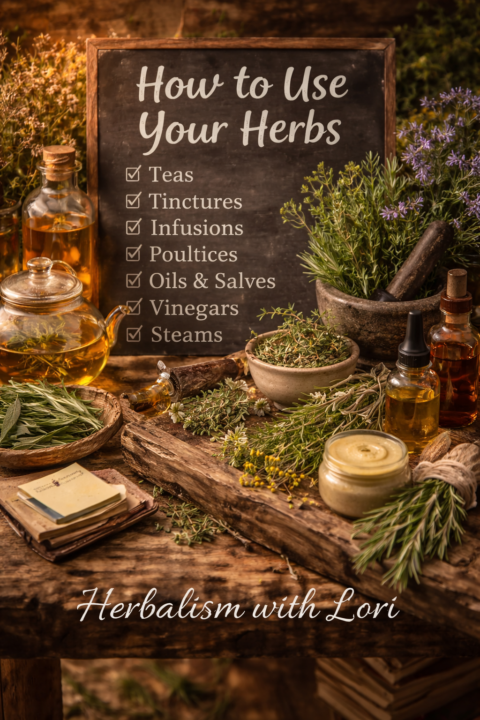
So… How Are We Actually Going to Use These Herbs? Short answer: all the ways. Long answer: still all the ways, just with fewer exploded cauldrons and more common sense. Over time, im going to cover every normal, useful way people actually use herbs, including: Teas – the classic “boil water, add plant, feel accomplished” method Tinctures – alcohol does the heavy lifting while you wait patiently Infusions – like tea, but stronger and more serious about it Poultices – squishy plant mess, applied with purpose Oils & salves – because herbs like to live in fat sometimes Vinegars & honeys – food that quietly helps you Steam, baths, compresses – herbs that work while you sit there doing nothing We’ll talk about what works best for what, why some herbs prefer tea while others do better as tinctures, and when a plant is basically saying, “Please don’t boil me, I beg you.” No quizzes. No perfection required. No pressure to own a 200-year-old apothecary or pronounce everything in Latin. This is real herbalism for real people, and we’ll cover it all slowly, clearly, and repeatedly… because nobody remembers everything the first time and plants are patient. Saturday Herbal Lore is just the beginning. We’ve got years. The herbs aren’t going anywhere. ~Herbalism with Lori
Pinned
2d •
What you need
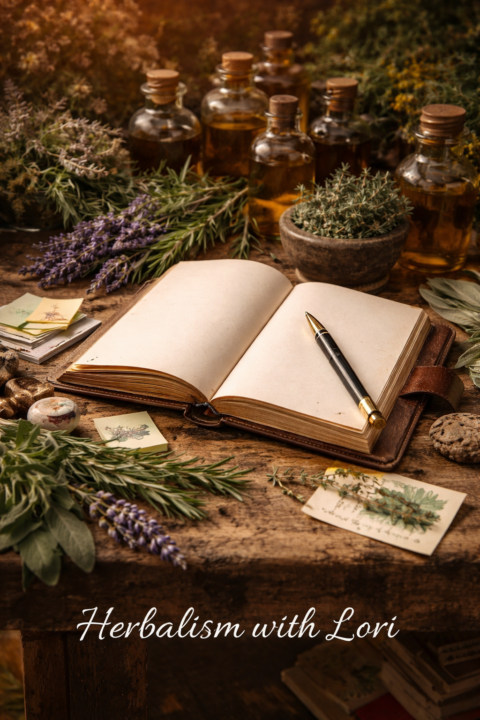
Alright, gather round, you beautiful plant people. This is the very low-stress, zero-pretension survival kit for enjoying my herbal writings without losing your mind or your place on the couch. What You’ll Need for Saturday Herbal Lore (and beyond) 1. A journal. Nothing fancy. No pressure. It can be: A notebook from the dollar store An old spiral with three pages left A “this was supposed to be for groceries” notebook This is where you jot things down that make you go, “Ohhh, that’s useful,” or “Wait, I actually have that plant.” 2. A pen you like. This matters more than people admit. One that doesn’t skip One that doesn’t feel like punishment to hold One you won’t immediately lose under the couch If you’re loyal to a specific pen brand, congratulations, you’re already advanced. 3. Optional but encouraged: sticky notes or bookmarks. Because at some point you’ll want to mark: Herbs you want to try Things you forgot five minutes after reading Notes that say “LOOK THIS UP LATER” and then never do That’s normal. Everyone does it. 4. Your curiosity. You don’t need: A backyard apothecary A certification wall A perfectly curated herbal aesthetic You just need curiosity and a willingness to learn things the practical way. The “real life, what people actually do” way. How to Use This Space Read. Laugh a little. Write down what sticks. Ignore what doesn’t. Come back later when it suddenly makes sense. This isn’t homework. This isn’t perfection. This is herbalism for people with lives. So, Pull up a chair. Grab your pen. Let’s talk plants. — Herbalism with Lori
5h •
Safer Swaps for Toxic Mandrake
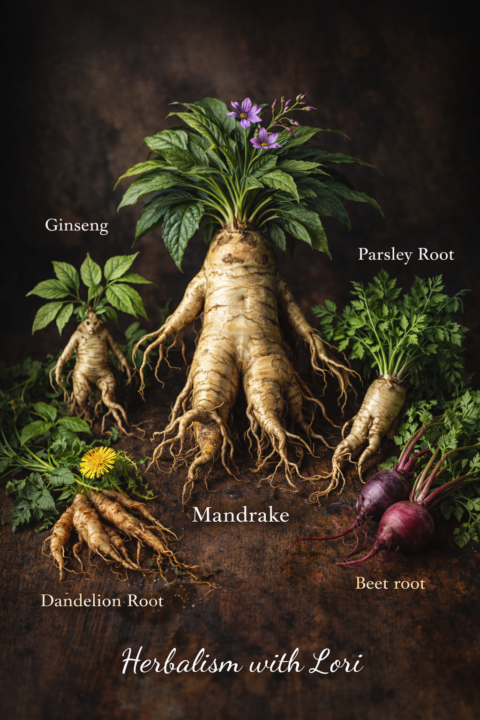
Safer Swaps for Toxic Mandrake 🌱 Mandrake: The Legend, the Look, and the Safer Swaps Mandrake has one of the most dramatic reputations in plant history. Human-shaped roots. Screaming folklore. A résumé full of myths and bad decisions. Here’s the part people forget: most historical herbalists didn’t actually use real mandrake. They used look-alikes. On purpose. Because nobody wanted to poison the village. So let’s talk about the plant, the legend, and the plants that give the same vibe without the danger. 🌿 The Real Mandrake (Mandragora officinarum) Mediterranean plant with a thick, forked root All parts are toxic Contains compounds that can cause hallucinations, confusion, and heart issues Historically used in tiny, controlled doses… and often replaced with safer plants Bottom line: fascinating history, not a casual houseplant. 🌱 Safer Plants That Give “Mandrake Energy” Without the ER Ginseng Naturally human-shaped roots Long history of use Grows slowly, looks ancient, feels important Much safer and widely cultivated Why it works: same mystical look, none of the screaming folklore. Ashwagandha Thick, gnarly roots Easy to grow in pots Used traditionally for stress and balance Calm plant. Cooperative plant. Why it works: mandrake’s chill cousin. Sweet Potato Ridiculous root shapes Easy, fast, and non-toxic You will absolutely grow one that looks like it needs a tiny sweater Why it works: mandrake, but happy and well-fed. Carrots, Beets, Turnips Grown in loose soil, they twist and fork naturally Fantastic for photos and teaching moments Zero danger, maximum personality Why they work: proof that you don’t need poison to get drama. 🌿My Big Takeaway Mandrake became famous because it looked human, not because it was practical. People wanted symbolism, mystery, and power. So they used plants that looked the part… and left the poison behind. You can admire the history without growing something that could hurt people or pets. Stanley Mandrake would approve. ~Lori
1-18 of 18
skool.com/herbalism-with-lori-4076
Pull up a chair. Let’s talk herbs.
Leaderboard (30-day)
1

+14
2

+9
3

+9
4

+7
5

+7
Powered by