Activity
Mon
Wed
Fri
Sun
Aug
Sep
Oct
Nov
Dec
Jan
Feb
Mar
Apr
May
Jun
What is this?
Less
More
Memberships
The Herb Witch
352 members • Free
11 contributions to The Herb Witch

Mar 18 •
Alright my witches
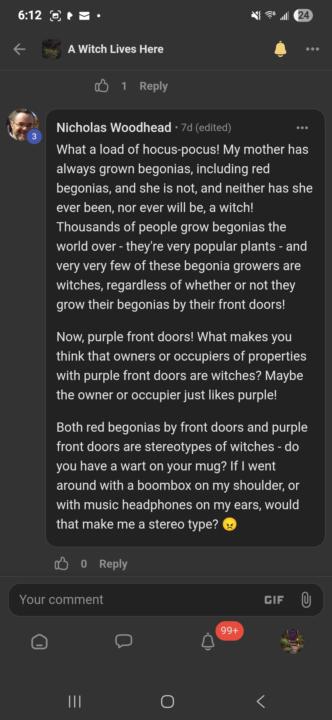
“Alright my witches… we had a little visitor who thought this was a debate club instead of a witch’s home. He has since been… gently escorted back to wherever he came from. If anyone feels the urge to whisper a few choice words into the void on his behalf… I see nothing, I hear nothing. And just to be clear— we don’t tear down what we don’t understand, and we definitely don’t tolerate anyone mocking this space. This house is ours. Period.”

3 likes • Mar 19
Nicholas, may your broom always squeak at the exact moment you try to sound wise.
Mar 2 •
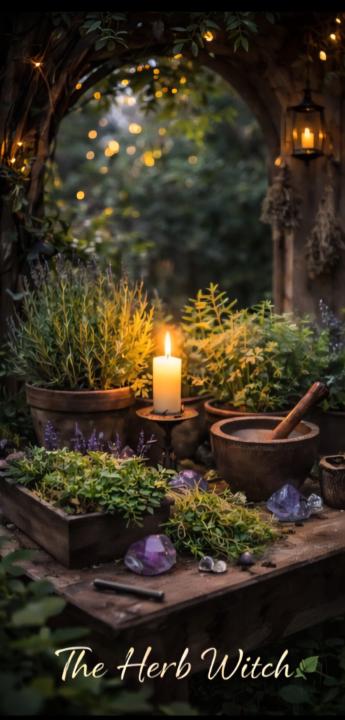
🌿 The Herb Witch Wallpapers 🌿
🌿 Herb Witch Wallpapers 🌿 I made these images to be used, not just admired. Set them as your phone wallpaper if you want a quiet reminder of what you’re growing, tending, and protecting. Herbs at the threshold. Light in the shadows. A home that breathes with intention. These are not spells. They’re atmosphere. Every time you unlock your phone, you’re standing at a witch’s doorway. A place where things grow slowly, hands are steady, and nothing is rushed. Use them however you like: As a daily grounding image As a reminder to tend what matters As a small pocket of calm in a loud world No charge. No strings. Just something grown and shared. — The Herb Witch 🌿
3 likes • Mar 7
So kind... thank you
Feb 13 •
The Herb Witch
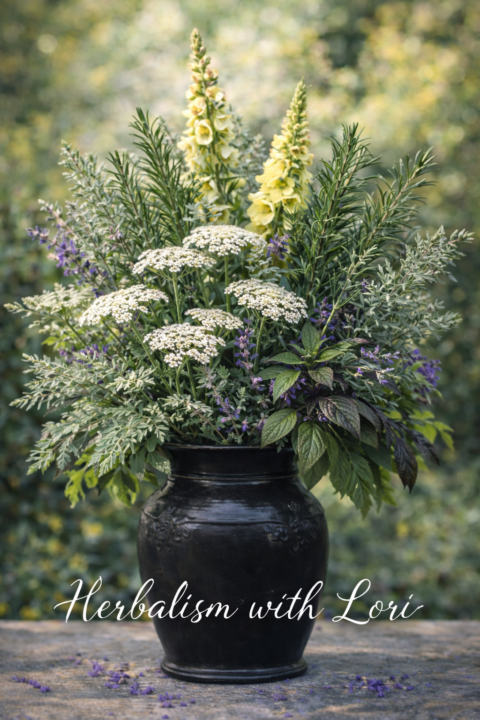
Why the Name Changed I want to share something honestly. “Herbalism with Lori” just didn’t fit anymore. It wasn’t wrong. It just wasn’t me. I don’t work with herbs in a purely clinical or polished way. I work with them through intuition, shadow, folklore, energy, and lived experience. I listen to plants. I pay attention to timing, mood, memory, and the quiet things that don’t show up on labels. Calling this space “Herbalism with Lori” felt like I was leaving part of myself out of the room. So going forward, I’ll be teaching herbs the way I actually work with them: with witchcraft woven in naturally, not performatively. Not constant spells, not theatrics. Just the deeper relationship between plants, body, and spirit. If you’re here for grounded herbal knowledge with a darker, wiser edge, you’re in the right place. This is The Herb Witch now. Welcome

2 likes • Feb 14
We're always reinventing ourselves! I like it better too! Good on you following your intuition!
3 likes • Jan 31
Cinnamon
Jan 22 •
Lavender, the Overachiever of Herbs
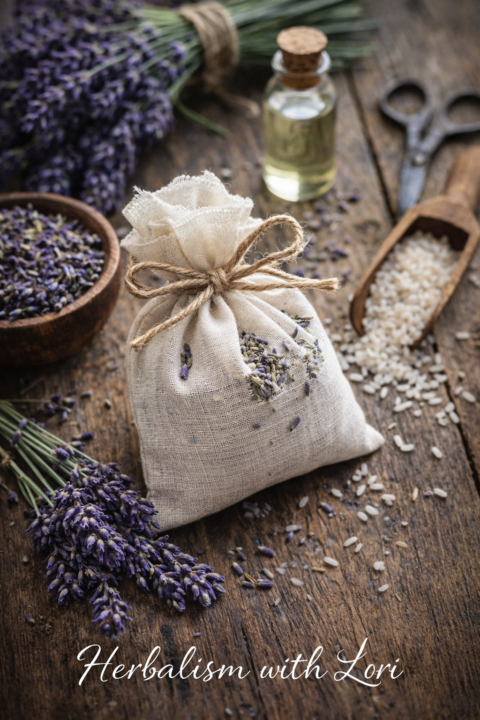
Lavender, the Overachiever of Herbs Lavender is that calm friend who shows up early, smells amazing, and somehow fixes the mood without asking for credit. It’s been used forever for relaxation, sleep, and general nervous-system babysitting. Also, it makes your house smell like you have your life together, which is frankly powerful. Here’s a ridiculously simple lavender recipe that requires zero talent and almost no effort. Lavender Calm Sachet (a fancy name for “smells nice, works hard”) You’ll need: 2 tablespoons dried lavender 1 tablespoon uncooked rice (yes, rice. It keeps things dry and obedient) A small cloth bag, sock, or scrap of fabric you refuse to throw away String, ribbon, or “whatever is within arm’s reach” What you do: Mix the lavender and rice. Put it in the cloth. Tie it shut like you mean it. That’s it. You’re done. Seriously. How to use it: Toss it in a drawer, pillowcase, car, gym bag, or anywhere that smells like stress and regret. Gently squeeze when needed. Inhale. Exhale. Marvel at how something so small is doing more emotional labor than most people. Why it works: Lavender is known for supporting relaxation and sleep, while the rice absorbs moisture so the scent lasts longer. Translation: it stays fresh and keeps showing up. Optional upgrade: add a few drops of lavender essential oil if you’re feeling ambitious, but honestly, it’s already pulling its weight. Simple. Useful. Smells like peace with boundaries. Enjoy 😉 Lori
3 likes • Jan 23
Same here @Leandra Perdee ! I'm an incense junky!
1-10 of 11

Active 31d ago
Joined Jan 17, 2026