Activity
Mon
Wed
Fri
Sun
Aug
Sep
Oct
Nov
Dec
Jan
Feb
Mar
Apr
May
Jun
What is this?
Less
More
Memberships
The Herb Witch
352 members • Free
8 contributions to The Herb Witch
Jan 21 •
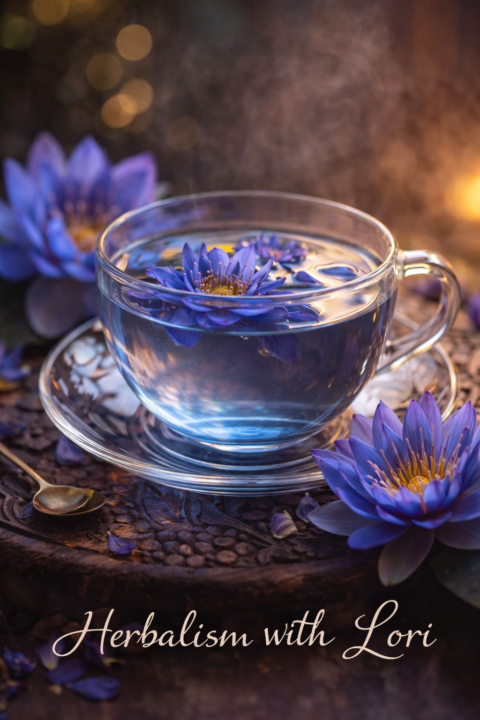
Blue Lotus Tea & Dream States
Blue Lotus Tea & Dream States Gentle plant, subtle effects, mindful use Blue lotus has a long history connected to relaxation, altered awareness, and dreamlike states. For some people, it helps ease the mind into sleep, creating a softer transition where dreams may feel more vivid or easier to remember. For others, it simply brings calm or deeper rest. And for some, it does very little at all. That’s normal. Blue lotus works quietly, not dramatically. As a tea, blue lotus is best approached as a relaxing evening herb, not a guaranteed dream enhancer. Its effects are subtle and personal, often felt more as a shift in mood and mental looseness than as intense imagery. Important cautions Blue lotus should be used occasionally, not as a nightly habit. Start with a small amount Use once in a while, not daily Effects vary widely from person to person Some people feel relaxed or slightly dreamy, others feel only calm, and some feel nothing Those who are sensitive to herbs, sedative plants, or medications should use extra caution. If you feel uncomfortable, dizzy, or unwell, discontinue use. This is a plant that works best with low expectations and gentle curiosity. What to expect Some people report: a relaxed, dreamy feeling before sleep improved sleep quality easier dream recall Others simply enjoy it as a calming tea. Both experiences are valid. Blue lotus offers a mood and a doorway, not a promise. ~Lori

2 likes • Jan 22
I heard a lot about blue lotus in a class I took this year about herbalism & dreams, but I've never worked with it. I'll have to see if I can find a good source.
Jan 21 •
Question of the day!
Quick question for everyone: What’s the one herb you reach for the most in real life?
2 likes • Jan 21
Chamomile.
Jan 16 •
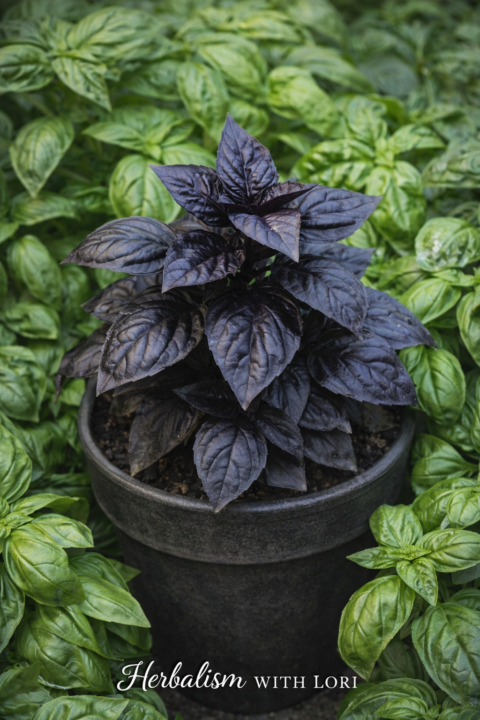
Our sweet Basil Friend
How to Keep a Basil Plant Happy (Without Sacrificing It to the Old Gods) Basil is dramatic. Not cursed. Dramatic. If your basil keeps dying, it’s not because you failed an herb initiation. It’s because basil has opinions and you ignored them. Let’s fix that. 1. Basil Wants Light, Not Interrogation Basil likes bright light, not surveillance. Indoors: sunny window, 6–8 hours Outdoors: sun, but not full desert punishment all day If you stare at it every hour whispering “why are you like this,” it will wilt out of spite. 2. Water Like a Normal Person Basil enjoys moist soil, not a swamp and not a drought ritual. Water when the top inch of soil is dry Drainage matters. Basil hates wet feet. If the pot smells funky, you’ve gone too far. Overwatering doesn’t make you caring. It makes you suspicious. 3. Pinch, Don’t Panic This is where most people mess up. Pinch basil above a leaf pair Don’t rip random leaves like you’re foraging in a crisis Regular pinching = bushy plant No pinching = leggy, resentful basil reaching for freedom You’re not hurting it. You’re giving it direction. 4. Basil Likes Warmth, Not Drama Basil thrives in warmth and sulks in cold. Indoors: keep it away from cold windows and vents Outdoors: don’t plant it until nights are reliably warm If frost hits, basil will simply give up on life. No warnings. No notes. 5. Feed Gently Basil doesn’t need a full banquet. Light fertilizer once in a while Compost is fine Don’t dump everything you own into the pot “just in case” Basil wants support, not a chemical intervention. 6. Flowers Mean Midlife Crisis If basil starts flowering, it’s basically saying: “I’m done growing leaves. I’m thinking about my legacy.” Pinch off flowers to keep leaf production going Or let it flower if you want seeds and vibes Either way, it’s not dying. It’s just entering a new phase. My final Basil Wisdom What she really needs: light warmth consistent water occasional pinching and to not be treated like a mystical hostage Treat her like a respected plant, talk to her daily
2 likes • Jan 19
I mean, it might be a *little* cursed.
Jan 17 •
Mugwort: Your bitter friend
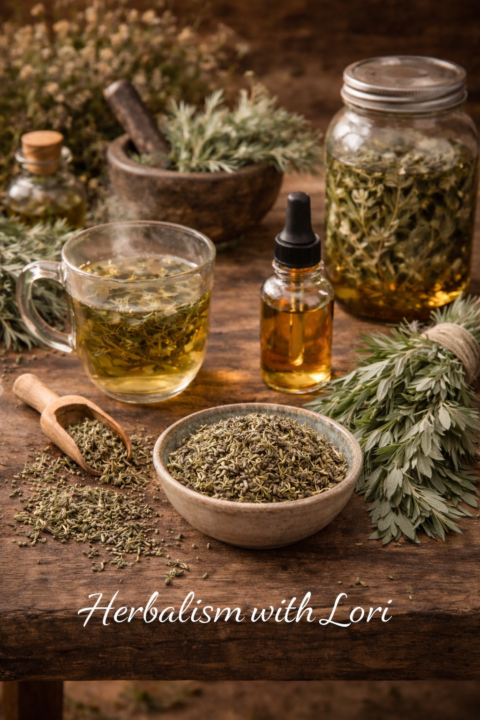
Mugwort: The Plant With Opinions Mugwort’s real name is Artemisia vulgaris. It’s named after Artemis, which already tells you this plant has been around long enough to collect names from bored Greeks. This is not a delicate herb. Mugwort is bitter. Like, aggressively bitter. Historically, people didn’t use it because it tasted good. They used it because it did something, and they were willing to suffer a little for results. That’s how most old herbal knowledge worked. Romans put mugwort in their shoes to help with sore feet during long walks. Not symbolic. Not ceremonial. Their feet hurt, and this helped. End of story. For centuries, mugwort showed up in digestive blends because it helps get things moving. Heavy meal? Sluggish gut? Mugwort showed up like, “Fine, I’ll handle it.” It also became well known for making dreams more vivid. Not because anyone was trying to be mystical. People noticed they slept differently and remembered their dreams more clearly. Humans are observant when something messes with their sleep. Mugwort was also used externally for tired muscles and overworked bodies. If you spent your day walking, lifting, or just surviving life before modern convenience, mugwort was part of the lineup. This plant stuck around because it worked. It wasn’t polite about it. It wasn’t gentle. It didn’t try to be everyone’s friend. Mugwort is the kind of herb that says, “I’ll help, but you’re going to know I was here.” — Herbalism with Lori
2 likes • Jan 19
I just started growing & working with mugwort this year, mostly for dream work. I like it.
2 likes • Jan 19
@Lori Jackson It doesn't overwinter here, but I'll grow it again next year. We do, however, have an abundance of its even more bitter and aggressive cousin, wormwood.
Jan 17 •
Saturday's Herbal Lore
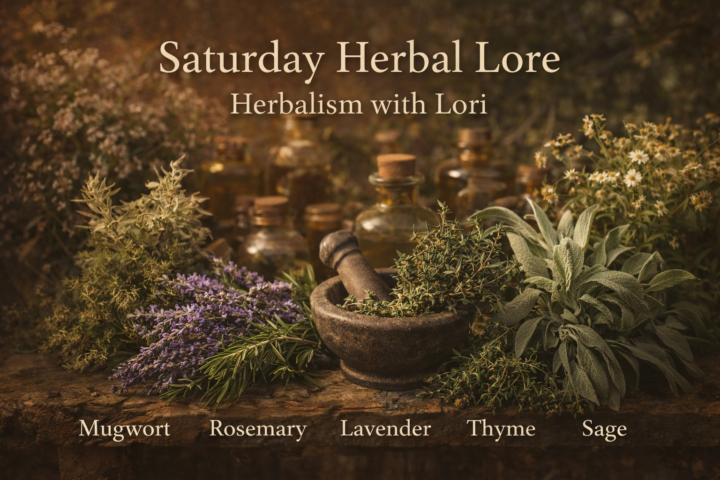
🌿 Saturday Herbal Lore Herbs, history, and the way people actually used them Mugwort Mugwort has a long history of being used by people who wanted clearer dreams, sharper instincts, and better awareness. Not peace. Awareness. It shows up across cultures in dream work, travel rituals, and practices meant to help people “see more” rather than feel better. Here’s the part people skip: mugwort doesn’t decide what you see. It just turns up the volume. That’s why some people love it and others swear it off forever. If your mind is already busy, mugwort doesn’t tuck it in. It hands it a microphone. Historically, it was respected, not treated like a cute bedtime herb. People used it with intention, and usually not every night. Rosemary Rosemary has been tied to memory and remembrance for centuries. Weddings, funerals, courtrooms, and sickbeds. That alone tells you this wasn’t a “spa herb.” It was a witness herb. People used rosemary to stay mentally present. To remember promises. To keep their thoughts sharp when emotions were heavy. Modern research backs this up. Rosemary scent can improve alertness and memory, which explains why it smells like focus, not relaxation. If rosemary makes you feel more awake than calm, that’s not a flaw. That’s accuracy. Lavender Lavender gets marketed like it’s here to soothe everyone equally. History disagrees. Lavender was used where stress was unavoidable. Sickrooms. Crowded homes. Places where people were tired, tense, and overwhelmed. It wasn’t about bliss. It was about coping. Some people feel calmer with lavender. Others feel oddly irritated or overstimulated. That’s because lavender doesn’t numb. It regulates. If your nervous system is already running hot, regulation can feel uncomfortable before it feels helpful. That’s normal. Lavender isn’t broken. It’s honest. Thyme Thyme has long been associated with courage and strength. Which makes sense when you realize it was used by people going into battle, long journeys, or hard work.
2 likes • Jan 19
I did not know that about lavender, but that explains everything. It's never made me feel calmer.
1-8 of 8

Active 6d ago
Joined Jan 18, 2026