Activity
Mon
Wed
Fri
Sun
Aug
Sep
Oct
Nov
Dec
Jan
Feb
Mar
Apr
May
Jun
Jul
What is this?
Less
More
Memberships
The Herb Witch
352 members • Free
6 contributions to The Herb Witch
Feb 13 •
The Herb Witch
Why the Name Changed I want to share something honestly. “Herbalism with Lori” just didn’t fit anymore. It wasn’t wrong. It just wasn’t me. I don’t work with herbs in a purely clinical or polished way. I work with them through intuition, shadow, folklore, energy, and lived experience. I listen to plants. I pay attention to timing, mood, memory, and the quiet things that don’t show up on labels. Calling this space “Herbalism with Lori” felt like I was leaving part of myself out of the room. So going forward, I’ll be teaching herbs the way I actually work with them: with witchcraft woven in naturally, not performatively. Not constant spells, not theatrics. Just the deeper relationship between plants, body, and spirit. If you’re here for grounded herbal knowledge with a darker, wiser edge, you’re in the right place. This is The Herb Witch now. Welcome

2 likes • Feb 13
Love this. Always be true to yourself!
Jan 20 •
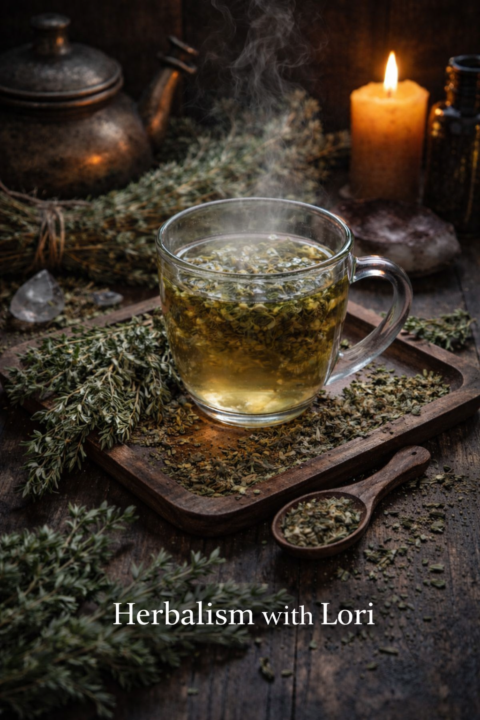
Herbalism with Lori: Mugwort Tea for the Restless Mind
Mugwort Tea (the sane method) What you need Dried mugwort: 1 teaspoon per cup Do not get ambitious. Mugwort punishes hubris. Hot water: just off the boil Think “steaming with intent,” not rolling rage. How to make it Bring water to a boil, then remove from heat. Add 1 teaspoon dried mugwort to a mug or teapot. Pour hot water over it. Cover and steep 5–10 minutes. 5 minutes = gentler, dream-friendly 10 minutes = bitter truth serum Strain. Optional: Honey (if you don’t enjoy suffering) A slice of ginger or lemon (to soften the edge) Drink slowly. This is not a chug-and-go situation. What it tastes like Bitter. Herbal. Slightly wild. Like a plant that knows things and is judging you quietly. Use it : Before sleep (dreamwork) Before journaling When the mind feels loud and the veil feels thin Not an “all day every day” tea. Mugwort is a visitor, not a roommate. Lori
3 likes • Jan 20
I enjoy a cup of tea a couple of times a week. Works really well about an hour before bed. Definitely need the honey!
Jan 19 •
Safer Swaps for Toxic Mandrake
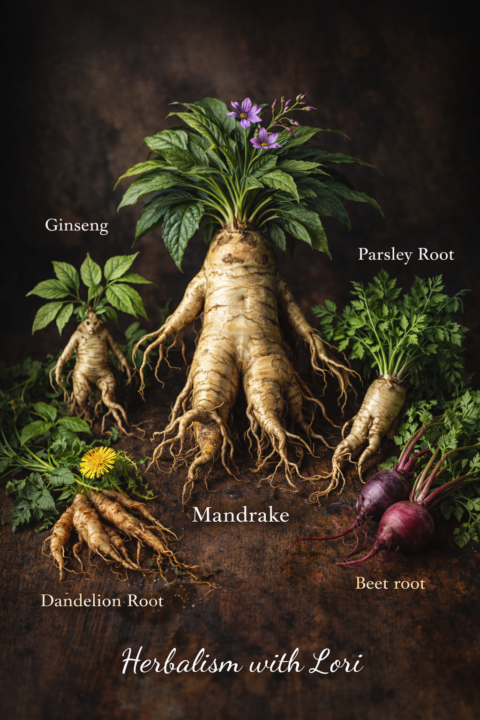
Safer Swaps for Toxic Mandrake 🌱 Mandrake: The Legend, the Look, and the Safer Swaps Mandrake has one of the most dramatic reputations in plant history. Human-shaped roots. Screaming folklore. A résumé full of myths and bad decisions. Here’s the part people forget: most historical herbalists didn’t actually use real mandrake. They used look-alikes. On purpose. Because nobody wanted to poison the village. So let’s talk about the plant, the legend, and the plants that give the same vibe without the danger. 🌿 The Real Mandrake (Mandragora officinarum) Mediterranean plant with a thick, forked root All parts are toxic Contains compounds that can cause hallucinations, confusion, and heart issues Historically used in tiny, controlled doses… and often replaced with safer plants Bottom line: fascinating history, not a casual houseplant. 🌱 Safer Plants That Give “Mandrake Energy” Without the ER Ginseng Naturally human-shaped roots Long history of use Grows slowly, looks ancient, feels important Much safer and widely cultivated Why it works: same mystical look, none of the screaming folklore. Ashwagandha Thick, gnarly roots Easy to grow in pots Used traditionally for stress and balance Calm plant. Cooperative plant. Why it works: mandrake’s chill cousin. Sweet Potato Ridiculous root shapes Easy, fast, and non-toxic You will absolutely grow one that looks like it needs a tiny sweater Why it works: mandrake, but happy and well-fed. Carrots, Beets, Turnips Grown in loose soil, they twist and fork naturally Fantastic for photos and teaching moments Zero danger, maximum personality Why they work: proof that you don’t need poison to get drama. 🌿My Big Takeaway Mandrake became famous because it looked human, not because it was practical. People wanted symbolism, mystery, and power. So they used plants that looked the part… and left the poison behind. You can admire the history without growing something that could hurt people or pets. Stanley Mandrake would approve. ~Lori
4 likes • Jan 19
Ashwagandha sounds interesting to grow…
Jan 17 •
Saturday's Herbal Lore
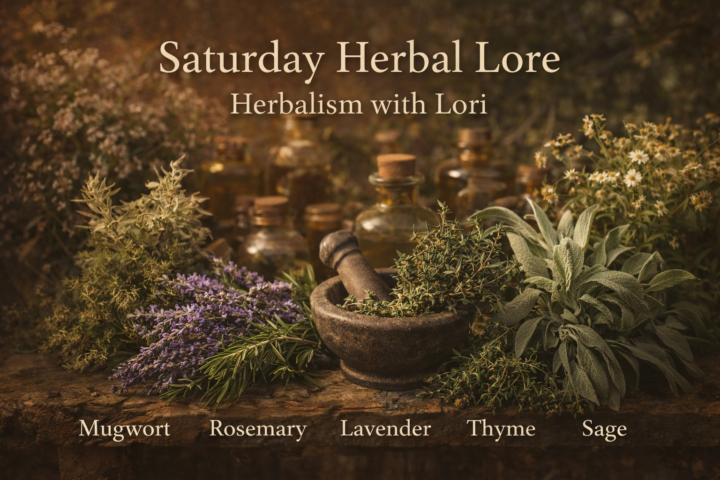
🌿 Saturday Herbal Lore Herbs, history, and the way people actually used them Mugwort Mugwort has a long history of being used by people who wanted clearer dreams, sharper instincts, and better awareness. Not peace. Awareness. It shows up across cultures in dream work, travel rituals, and practices meant to help people “see more” rather than feel better. Here’s the part people skip: mugwort doesn’t decide what you see. It just turns up the volume. That’s why some people love it and others swear it off forever. If your mind is already busy, mugwort doesn’t tuck it in. It hands it a microphone. Historically, it was respected, not treated like a cute bedtime herb. People used it with intention, and usually not every night. Rosemary Rosemary has been tied to memory and remembrance for centuries. Weddings, funerals, courtrooms, and sickbeds. That alone tells you this wasn’t a “spa herb.” It was a witness herb. People used rosemary to stay mentally present. To remember promises. To keep their thoughts sharp when emotions were heavy. Modern research backs this up. Rosemary scent can improve alertness and memory, which explains why it smells like focus, not relaxation. If rosemary makes you feel more awake than calm, that’s not a flaw. That’s accuracy. Lavender Lavender gets marketed like it’s here to soothe everyone equally. History disagrees. Lavender was used where stress was unavoidable. Sickrooms. Crowded homes. Places where people were tired, tense, and overwhelmed. It wasn’t about bliss. It was about coping. Some people feel calmer with lavender. Others feel oddly irritated or overstimulated. That’s because lavender doesn’t numb. It regulates. If your nervous system is already running hot, regulation can feel uncomfortable before it feels helpful. That’s normal. Lavender isn’t broken. It’s honest. Thyme Thyme has long been associated with courage and strength. Which makes sense when you realize it was used by people going into battle, long journeys, or hard work.
3 likes • Jan 17
Mugwort and Lavender are 2 of my favourites. I am wondering if they would work in a tincture?
Jan 16 •
Tinctures what are they
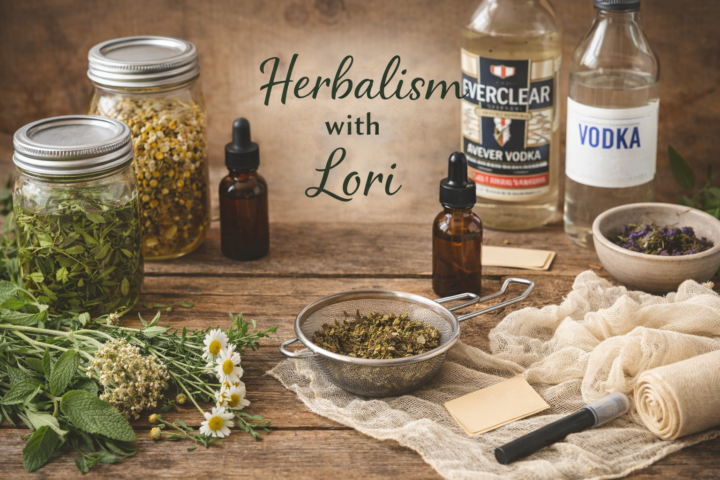
Alright, gather round the metaphorical kitchen counter. We’re talking herbal tinctures, aka “how humans figured out how to trap plant goodness in a jar and call it medicine.” Just plants, patience, and a little alcohol doing the heavy lifting. So… what is a herbal tincture anyway? A tincture is basically herbs soaking in alcohol long enough to give up their secrets. The alcohol acts like that one friend who gets everyone talking at a party. You end up with a strong, shelf-stable liquid extract that lasts years, not weeks like tea. This is why herbalists love tinctures and why your cabinet starts to look suspiciously like a bar. What you need (nothing dramatic) A clean glass jar with a lid Mason jars are fine. No crystal required. Herbs Fresh herbs (chopped) Or dried herbs (even easier, less water) Alcohol Vodka is the crowd favorite. Brandy works. Everclear if you’re feeling bold and respectful of math. A label Because “mystery brown liquid” is not helpful later. Time. Not much effort. Just time. How to make it (the no-nonsense version) Step 1: Fill the jar If using fresh herbs: loosely fill the jar about ¾ full. If using dried herbs: fill about ½ full. Do not pack it like you’re stuffing a suitcase. Step 2: Add alcohol Pour alcohol over the herbs until they are completely covered, plus about an inch on top. Herbs floating above the liquid = sad herbs. Step 3: Seal it and wait Put the lid on. Shake it gently like you’re reassuring it. Store in a dark cabinet. Shake it once a day if you remember. If you forget, the herbs will forgive you. Step 4: Wait some more Let it sit 4–6 weeks. Yes, weeks. This is herbalism, not instant coffee. Step 5: Strain Strain through cheesecloth, a coffee filter, or a fine strainer. Squeeze the herbs. They’ve given everything they had. Pour the liquid into a clean bottle. Step 6: Label it Write: Herb name Alcohol used Date Future-you will thank present-you. How people actually use tinctures A few drops in water or tea
2 likes • Jan 17
I can’t wait to try this! Oh, which herbs to try first? Hmmmmm…
1-6 of 6

Active 116d ago
Joined Jan 17, 2026