
Jan 20 •
HOW MUCH to grow?
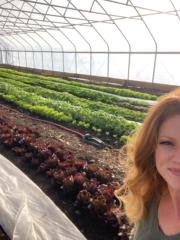
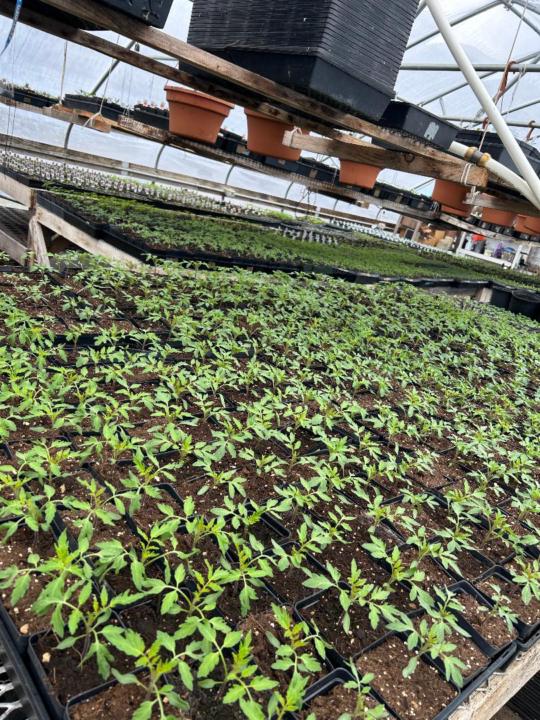
How Much Should You Grow? How much to grow really depends on what you’re looking for. Are you growing just for your family? Selling at a market? Supplying restaurants or a CSA? Each goal will completely change your numbers. The best place to start is by looking at the space you have to work with. From there, you can figure out what’s realistic and what your garden (or farm) can produce. For example: - Want to grow enough tomatoes to make sauce all winter? - Hoping to have garlic to last until next spring? - Trying to plan weekly harvests for a CSA? Each of those requires a different scale and strategy. Because there’s so much nuance to it — soil health, spacing, succession timing, storage — I like to help people with this on a more individual basis. Everyone’s situation is unique, and your plan should reflect your goals. If you’d like help figuring out how many tomato plants your family really needs or how much garlic to plant to last the winter, I can help walk you through it!
Jan 23 •
Interested In Preserving your harvest?
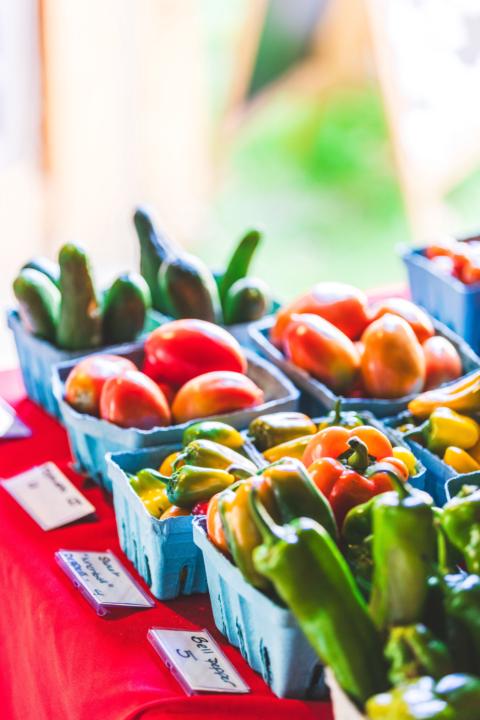
I was getting ready to make lunch today and decided to crack open a jar of stewed San Marzano from the summertime. Having some of our bounty preserved and available in the winter months feels like SUCH a gift! Things we are able to reliably preserve for use during winter that are SHELF stable include: Stewed tomatoes Pickled Green Beans Pickled Cucumbers Pickled Jalapeno Pickled Habanada really anything pickled but this is a great beginner list. If your considering pickling or preserving we can adjust your quantities for abundance for off season use!
Jan 20 •
Calculating- I told my math teacher I would never need math in real life 😝
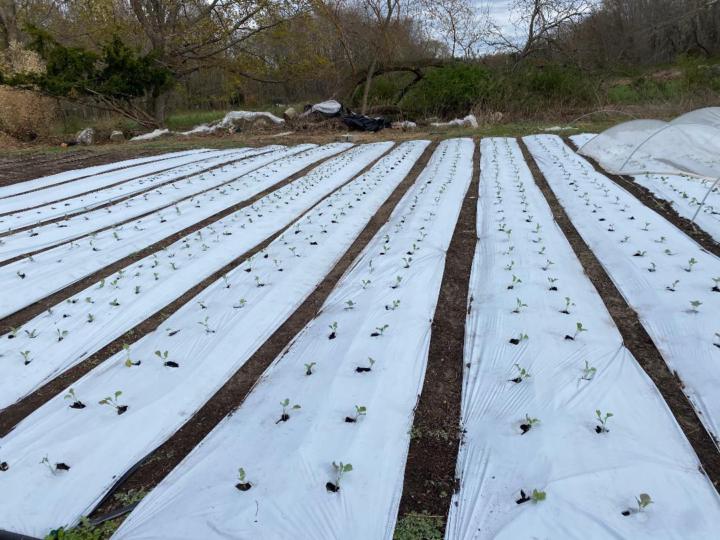
Prep and planting (or container prep, if you’re growing in pots) can be surprisingly nuanced — there’s a lot that goes into creating a healthy, productive growing space. For simplicity, we’ll focus on a market-garden style bed, since it’s easy to adapt the same principles to a home garden by simply shortening the bed length. A 30-inch wide bed is a great standard to work from. Using consistent bed widths and spacing makes planning much easier — whether you’re mapping out your crop plan, starting seeds, or estimating yields. Standardization helps you stay organized, save time, and make your plantings more predictable from one season to the next. 🌱 In my subscription level, you’ll find detailed resources on: - Plant spacing guides for common crops - Planting depths for seeds and transplants - Simple, step-by-step visuals to make bed prep and layout easier These tools are designed to help you move from guessing to growing with confidence — no matter the scale of your garden. Spacing Example: Broccolini, Broccoli & Cauliflower When planning your beds, spacing matters — it affects plant health, yield, and how many plants you actually need. For crops like broccolini, broccoli, and cauliflower: - Spacing: 12–18" between plants - Rows per bed: 2 Here’s what that looks like in practice: - Market-style bed (50’ long): 66–100 plants - Home garden bed (10’ long): 12–20 plants Using standardized spacing like this makes it easy to calculate your plant numbers for any size bed — and it’s a simple way to start thinking strategically about your planting plan.
0
0
1-3 of 3
powered by
skool.com/grow-your-own-2113
All experience levels welcome! Learn veggie & flower growing with community support. Premium includes weekly live Q&A with farmer Sammie + Education.
Suggested communities
Powered by