
Write something
8h •
💚 Quick question?
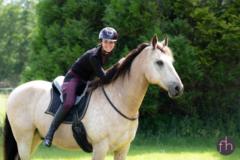
❓Are you using groundwork or doing groundwork? Because there’s a difference: ▪️One is a checklist. ▪️The other is a conversation. Both are good but eventually we want to head more into a conversation but are always flexible to come back to the checklist when need be.
3
0
4d •
Old Box
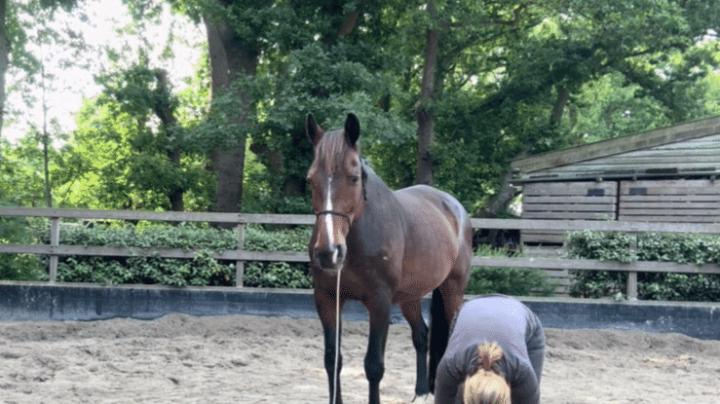
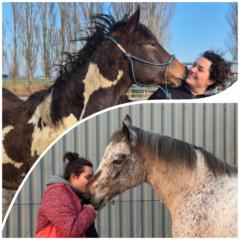
I do still mis my beautiful lady Kenzi.❤️ We came so far. And I'm really grateful to have a lot of photos and some videos. So I fished one out of a box and love to share it with you.🙏🏼

16d •
Amazed!!!
I just subscribed to the Premium package and all I can say is “WOW!!!!” I wish I had done this earlier - it clears up so much confusion!!! I am going back to basics with Blackie with starting with Groundwork 1-25. Rebuilding everything from scratch and kind off retraining him in connection and understanding. Hê has had 3 previous owners and I just feel we (him and I ) need to start over and take things slower. I just wanted to ask - must I do all the exercises Everyday? Yesterday I just focused on 1-5 and it went really well. How many repetitions do I do of every exercise? And do I start with one today and go on to exercise 11?
30d •
💚 Love Isn’t the Missing Piece - Skill Is
✨ So many horse parents and friends love their horses of course they do. You can see it in the way they show up, the way they care, the way they worry, the way they try - it’s real, and it matters. But love on its own doesn’t build skill and that’s not a criticism, it’s just something that I find often gets misunderstood. Because when things aren’t going right, most people don’t lack love they lack the tools and the understanding of how to help their horse in that moment. And that’s where things can start to feel frustrating. This I find is because they care so much but they’re not quite getting the result they hoped for. Skill is what fills that gap. ➡️ Skill is what turns “I hope this works” into “I know what to do here.” It’s what allows them to be consistent, fair, and eventually crystal clear for their horse. And from this confidence starts to grow. Here’s where it gets really powerful and what I witness everyday - when they become more confident, their horse feels it immediately and that is because now, they’re not just loving them, they’re leading them in a way that makes sense. So if you ever feel like you’re doing everything you can because you love your horse - you are. Now it’s just about building the skills including the fun ones, to match it. Because that’s the piece that changes everything. Question: 👉 Where do you feel your skill needs to catch up with your love right now? P.S. For fun a video of Lenny backing through a gate with confidence and understanding of which I share how teach step-by-step in the Premium. 🐴✨🫶

Mar 20 •
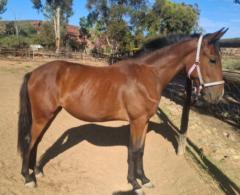
I have been told not to train with treats and ive seen result with and without thaughts
Gravy came uo to me when i got on the blue bin today cause i gave her soem treats when she came next to me but cannot hield her hind towards to mounting block everytime i face asif im going to mount she moves her hind shes very sensitive to body cues realised if i kepe my back to her hind she does not move it away thaughts not climbing on merely trying to find the following 1.how to hield her hind to the mounthing block to line up ? 2.should i used treats or no ? 3.thoughts on when babies should be backet not starting until i have vet confirmation shes ready of course but I am just curious heard light pressure could help also too much pressure too soon causes damage and this is a very contriversial topic and im guessingit depends on the breed for developing stages but idk
1-23 of 23
skool.com/get-good-with-horses-courses
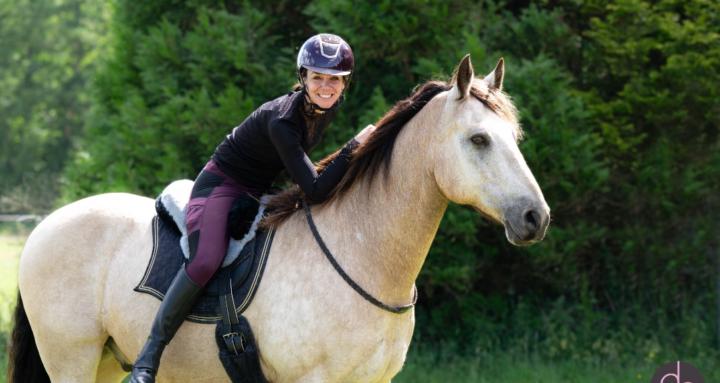
Get good with horses through understanding, feel, and honest practice — a hands-on horsemanship space for becoming your horse’s hero.
🐴✨🫶
Leaderboard (30-day)
1

+197
2
+170
3
+152
4
+107
5
+76
Powered by