
Write something

Jan 18 •
Introduce yourself
What type of foodservice business are you in—and what’s keeping you up at night right now?
Jan 17 •
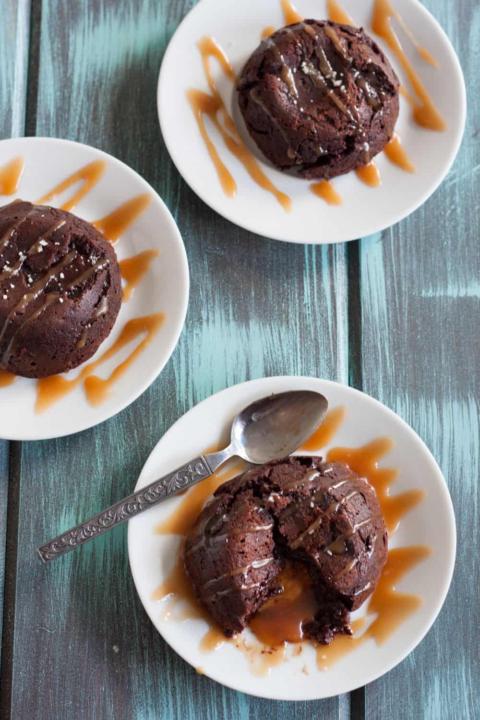
Molten Chocolate Lava Cake with Sea Salt Caramel
Ingredients (4 cakes): - 6 oz dark chocolate - 4 tbsp butter - 2 eggs + 2 yolks - ¼ cup sugar - 2 tbsp flour - Caramel sauce (homemade with cream & sea salt) Method: 1. Melt chocolate & butter. Whisk eggs & sugar until pale. 2. Fold together with flour. 3. Pour into molds with frozen caramel insert. 4. Bake at 425°F for 12 min. Pro Tip: Use frozen caramel centers to guarantee molten flow. Plating Idea: Plate with powdered sugar, drizzle caramel, serve with vanilla gelato. Has anyone made or had this before?
Jan 12 •
Let’s Meet the Alliance 👋 Introduce Yourself
Welcome to Foodservice Alliance 👋 Let’s get the conversation started. Take a minute to introduce yourself below: - Your name - Your role in foodservice (operator, supplier, consultant, etc.) - Where you’re based - One thing you’re hoping to get from this community Feel free to share a link to your business or profile as well. Looking forward to connecting and learning from each other. 👊 Let’s build this together.
Jan 8 •
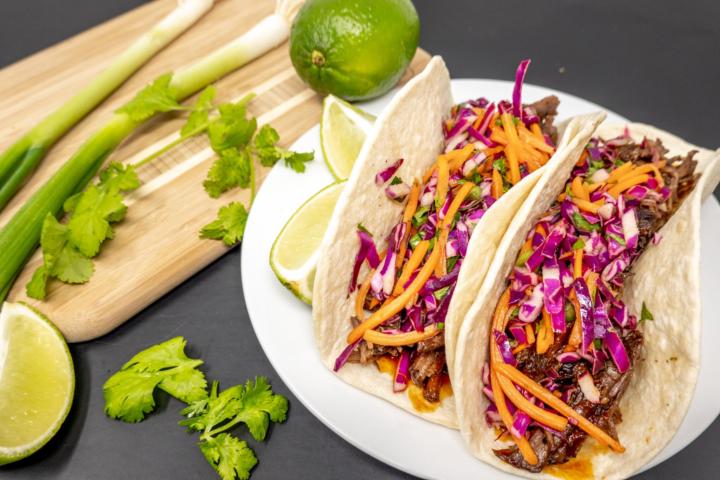
Korean Bulgogi Tacos with Gochujang Slaw
Ingredients (8 tacos): - 1 lb thin-sliced ribeye - ¼ cup soy sauce, 2 tbsp sugar, garlic, sesame oil (marinade) - 1 cup slaw mix - 1 tbsp gochujang, mayo - Tortillas Method: 1. Marinate beef 1 hr. 2. Sear quickly on hot grill. 3. Mix slaw with gochujang mayo. 4. Assemble tacos. Pro Tip: Slice beef against grain for tenderness. Plating Idea: Plate tacos in row with lime wedges and sesame sprinkle. Have you made or had this before?
Jan 11 •
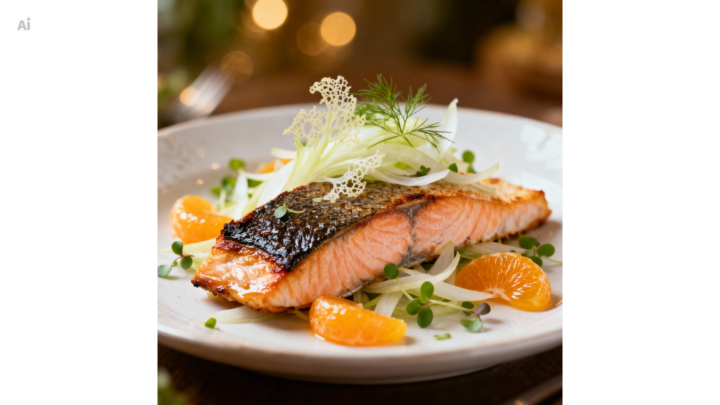
Crispy Skin Salmon with Fennel & Orange Salad
Ingredients (2 portions): - 2 salmon fillets - 1 bulb fennel, shaved thin - 1 orange, segmented - Olive oil, salt, pepper Method: 1. Score salmon skin lightly, season. 2. Sear skin-side down, pressing gently for even crispness. Flip briefly. 3. Toss fennel & orange with oil. Pro Tip: Dry skin completely before searing for best crisp. Plating Idea: Salmon skin-up over salad, drizzle with citrus vinaigrette.
2
0
1-24 of 24

Suggested communities
Powered by