
Write something
Pinned
Apr 13 •
What Does a Real Optimization Program Look Like Inside a DPC Practice?
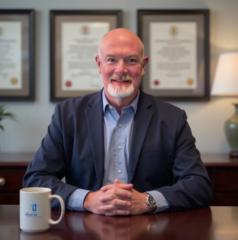
Most Direct Primary Care practices start with the same mission: Restore time.Restore access.Restore the doctor–patient relationship. But once that relationship is strong, the conversation changes. Patients stop asking only:“Can you treat this problem?” They begin asking:“How do I prevent the next problem?”“How do I improve energy, recovery, and metabolic health?”“How do I maintain muscle as I age?”“How do I reduce cardiovascular risk before disease develops?”“How do I optimize hormones responsibly?”“How do I objectively measure progress?” This is where structured optimization belongs inside the DPC model. Not guesswork.Not supplement stacks based on social media trends.Not protocol mills. Structured. Strategic. Physician-Led. Core Philosophy of FirstCall Optimization™ Optimization is not motivation.Optimization is measurement, interpretation, and adjustment. We focus on identifying physiologic constraints and systematically improving them over time using objective data. Key principles: • longitudinal biomarker tracking • individualized treatment decisions based on clinical context • structured reassessment intervals • avoidance of unnecessary polypharmacy • integration of lifestyle, nutrition, sleep, and training variables • ethical hormone optimization when appropriate • transparency with patients regarding expected magnitude of benefit Optimization should improve healthspan markers without compromising long-term safety. Core Components of the Program 1. Structured Lab Cadence We track biomarkers at defined intervals rather than ordering random labs reactively. Typical cadence: Baseline16 weeks32 weeksAnnual reassessment Focus areas often include:metabolic markerslipids and cardiovascular risk markershormonal balancethyroid physiologymicronutrient statusinflammation markersinsulin sensitivity markers The objective is trend analysis, not isolated lab interpretation. 2. Genetic Insight (3X4 Genetics) Genetics informs risk architecture but does not dictate destiny.
Poll
Cast your vote
0
0
Pinned
Dec '25 •
Why We Built This — And Why We Never Quit
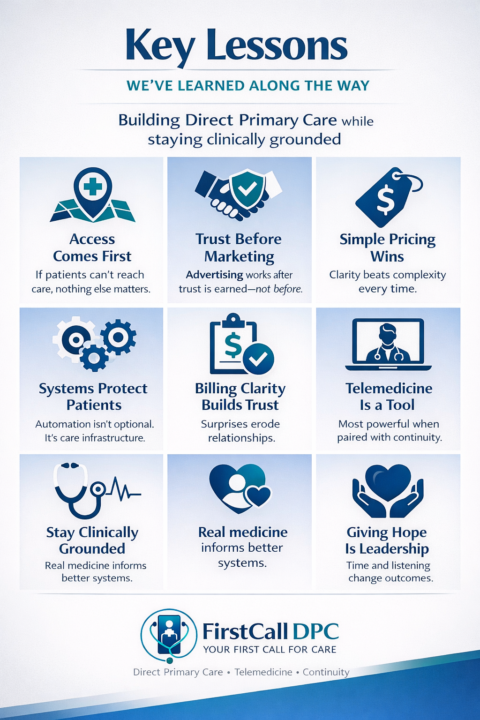
What pushed us to build something different wasn’t a business idea. It was what we were seeing every day in the emergency department. A huge number of patients who come through the ER are there for one simple reason: they don’t have access to primary care. Not because they made poor decisions. Not because they didn’t care. Simply because access didn’t exist. Some arrive poorly treated—not from neglect, but from delay. Others wait four, five, sometimes six hours in an emergency department for minor illnesses that could have been handled safely and efficiently through telemedicine if access were available. That stayed with us. We weren’t trying to replace emergency medicine. We were trying to protect it—by keeping patients out of the ER when they didn’t need to be there, and by creating an economical, accessible way for people to get care earlier. From the beginning, we knew Direct Primary Care was the direction we wanted to go. But we also knew access alone wasn’t enough. Telemedicine had to be part of the solution. Not as a shortcut. Not as a replacement for real care. But as a way to remove unnecessary friction. We don’t believe doctors are “getting it wrong.” Most are overwhelmed—buried under red tape, documentation, and systems that make meaningful care harder every year. The intent is there. The time is not. At the same time, both of us were still working roughly 150 hours a month in the emergency department. We were very intentional about keeping those worlds separate. As tempting as it might have been from a business standpoint, we never pitched our clinic to patients in the ER. That line mattered to us. We wanted this built the right way—or not at all. There are plenty of colleagues who think we’re crazy for taking this path. That’s fine. What’s driven us hasn’t changed: an undying drive not just to be successful, but to create something better. Staying clinically grounded has always mattered. Emergency medicine keeps you honest. It also makes it clear that better access and longer appointments create space—for conversation, for prevention, and for alternatives before defaulting to the usual pharmaceutical path.
Pinned
Dec '25 •
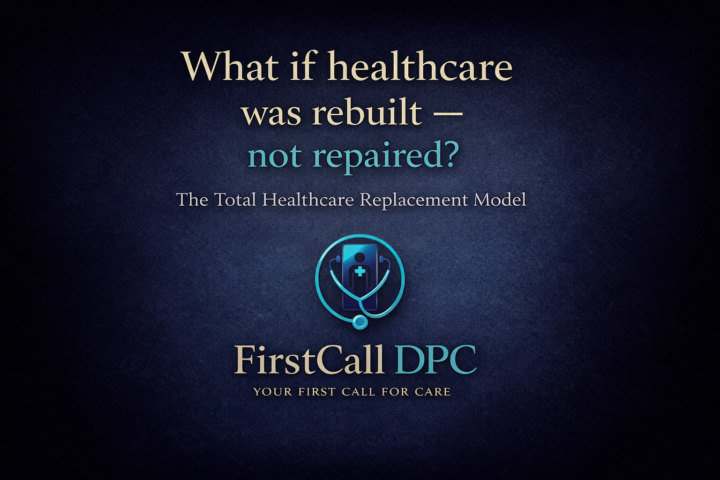
Total Healthcare Replacement Model
Why we stopped trying to “fix” healthcare—and built something better. For years, healthcare has been optimized around billing, not patients. Higher premiums. Narrow networks. More friction. Employers pay more every year. Patients delay care. And the ER becomes the default access point. This post outlines how we built a true healthcare replacement model—not a theory, not a pilot—while still working full-time as emergency medicine physicians. Where This Started (The ER Truth) A massive percentage of patients we see in the emergency department are there because: - They can’t access primary care - They don’t understand their benefits - They’re “covered” but afraid of the cost - Or they’ve been bounced around a broken system Insurance wasn’t failing catastrophically. It was failing quietly—through delay, confusion, and avoidance. That’s when we realized: Insurance is a poor tool for delivering everyday healthcare. So we stopped trying to optimize insurance—and built around it. The Architecture of a Real Replacement Model This only works if every layer is intentional. 1️⃣ Direct Primary Care (The Foundation) FirstCall DPC became the front door: - Same-day access - Longer visits - No billing friction - No visit limits - No prior authorization for basic care DPC handles 70–80% of healthcare needs when done correctly. But DPC alone isn’t enough. 2️⃣ Community Concierge Navigation (The Missing Layer) Most healthcare failures aren’t clinical—they’re navigational. This is where PatientPAL became critical. PatientPAL functions as the human guidance layer, helping members: - Understand benefits - Navigate imaging and specialty care - Resolve billing confusion - Coordinate follow-ups - Avoid unnecessary ER visits This isn’t a call center. It’s advocacy + continuity. When combined with DPC, this layer alone demonstrated ~$1,000 per employee per year in modeled savings, while improving outcomes 3️⃣ Claims Intelligence & Network Optimization

May 10 •
AI and Social Media Content Creation
I fully support using AI to assist in creating content, but only in the right way. I can tell in seconds who used chatGPT to write their content and didn’t bother to edit or try to make it sound like them. That’s not the right way. To create engaging content that sounds like YOU, it’s important to teach AI what you sound like. Start by uploading some of your writing into your favorite LLM, my favorite is Claude right now. Even better, chat with Claude and ask it to interview you to create your “brand voice.” You can identify your ideal patient, what you do for them, why they should come to see you, what are the benefits. You want to lead with what are your ideal patient’s pain points, and how do you help alleviate those pain points. Don’t focus on the features of your practice, focus on the outcomes. Then when AI helps create captions for you, it knows what you do and what you stand for. After the first iteration of content, review and edit. Change around words every sentence or two. Remove the long dashes and sub a comma or period, whatever makes sense. Remove the repetitive short statements if you don’t talk like that. Look out for the constant lists of 3 things and adjust if needed. Those are a few of the telltale signs of AI generation. You don’t have to change everything, but you don’t want to post the first thing it spits out. It’s not so scary to post on social media. You just have to jump in knowing your first posts will be bad. And that’s ok! You will get better the more you create and post. If you use automations, then you can create and schedule a month’s worth of posts and you don’t need to touch it again for a month. So if posting on social media about yourself or your practice makes you want to run away, that’s normal. Take a look at the Social Media Sprint that I made for DPC docs. It walks you through creating your brand voice and uses automations to post for you on a schedule. Here’s a link to learn more 😊 https://reach.harmonyopshealth.com/sprint-home
2
0

May 9 •
GRANT FUNDING
Who needs a List of grants to get their business off the ground ‼️ guarantee approval within a week NO PAY BACK!! For more information, contact me directly via WhatsApp, iCloud email or Telegram.👇 💬WhatsApp: +1 (730) 278-6928 📲 Telegram:https://t.me//k... or @kbsgrant 📧 iCloud: kbsgrant@icloud.com Approval is 💯% guaranteed.
0
0
1-30 of 34
skool.com/firstcalldpc
Direct primary care gives unlimited access to your doctor, same-day visits, clear pricing, and no insurance—medicine built on trust.
Powered by