

13d •
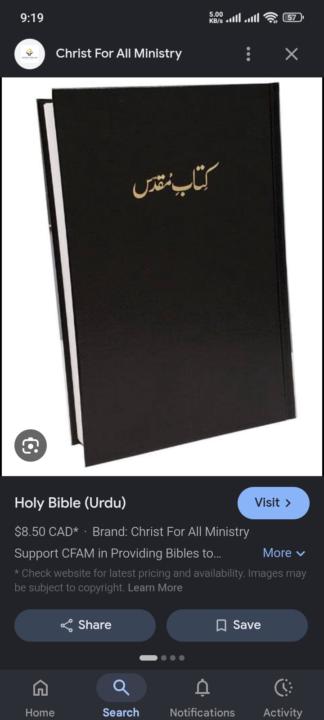
Please reply me we need holy bible for new believer
Dear brother and sister in Jesus Christ *I have wonderful news to share with you today!* I went to serve God at the brick kiln, and *many people believed in Jesus Christ*. They accepted Jesus Christ as their Savior. *Praise God!* *But these new brothers and sisters don’t have Bibles.* They are like newborns — hungry for the Word, but with no spiritual food in their hands. *I want us to place the Holy Bible in their hands.* *Because the Bible is their daily bread.* It will teach them God’s promises, strengthen their weak faith, and help them stand firm in trials. _“Your word is a lamp to my feet and a light to my path.”_ — *Psalm 119:105* _“Faith comes from hearing, and hearing through the word of Christ.”_ — *Romans 10:17* 📖 *Will you join me in this great work?* Together, we can give these new believers the Word of God so they grow strong in the Lord. *Every Bible is a seed that will bear fruit for eternity.* *To God alone be the glory. Amen
1
0
15d •
Anyone reply me
Dear brother and sister in Jesus Christ *I have wonderful news to share with you today!* I went to serve God at the brick kiln, and *many people believed in Jesus Christ*. They accepted Jesus Christ as their Savior. *Praise God!* *But these new brothers and sisters don’t have Bibles.* They are like newborns — hungry for the Word, but with no spiritual food in their hands. *I want us to place the Holy Bible in their hands.* *Because the Bible is their daily bread.* It will teach them God’s promises, strengthen their weak faith, and help them stand firm in trials. _“Your word is a lamp to my feet and a light to my path.”_ — *Psalm 119:105* _“Faith comes from hearing, and hearing through the word of Christ.”_ — *Romans 10:17* 📖 *Will you join me in this great work?* Together, we can give these new believers the Word of God so they grow strong in the Lord. *Every Bible is a seed that will bear fruit for eternity.* *To God alone be the glory. Amen.*


15d •
Korah: Rebellion, Priesthood, and the Cost of Betrayal
🌍🔥 What happens when unchecked ambition meets divine authority? The story of Korah is one of history's most dramatic rebellions! Korah, a prominent Levite, teamed up with Dathan, Abiram, and 250 well-known chiefs to challenge the leadership of Moses and Aaron. Driven by ambition, they confronted Moses, claiming that the entire congregation was already holy and demanding, "Why then do you exalt yourselves above the assembly of the LORD?". Moses didn't fight back with his own power; he left the judgment entirely to God, leading to a truly terrifying showdown. The earth literally split apart and swallowed the rebel leaders alive, while divine fire consumed the 250 men who were unlawfully offering incense. To permanently settle the debate over who was truly chosen for the priesthood, God caused Aaron’s wooden staff to miraculously sprout buds, blossoms, and ripe almonds overnight! 🌿✨ The high cost of rebellion and betrayal is a theme that echoes throughout the biblical texts. Just as Moses defended his integrity by declaring he had never taken even one donkey from the people or harmed them, the prophet Samuel later challenged all of Israel to prove he had ever defrauded or oppressed anyone, warning them against the grave dangers of rebelling against God's commands. The dark reality of betrayal is seen again centuries later when Judas Iscariot sells out Jesus for merely thirty pieces of silver. True leadership isn't about grasping for power or prestige—it's about humble, faithful service. 💭 What do you think is the biggest lesson we can learn from Korah’s tragic mistake? Let me know your thoughts in the comments! 👇 #BibleStudy #Leadership #KorahsRebellion #Faith #TorahPortion #ScriptureStudy #Betrayal
0
0

17d •
Greeting in the name of Jesus Christ
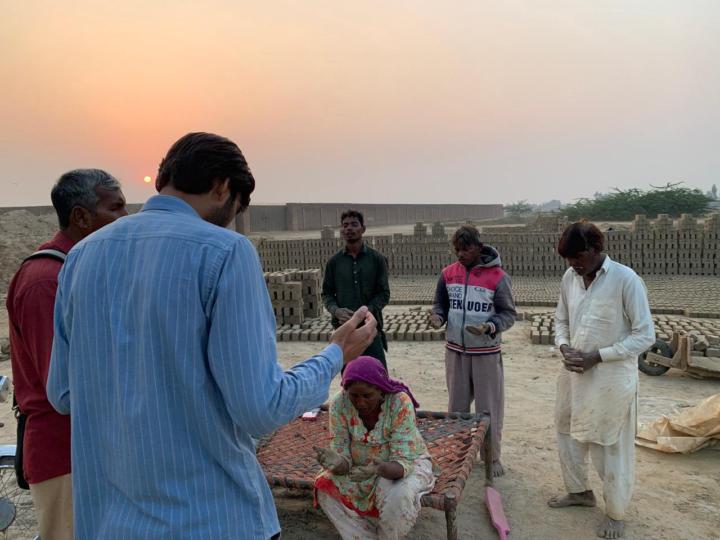
By the grace of God, today I traveled 45 kilometers to a tribe to serve Him.* I preached the Word of God there. *Many people believed in Jesus Christ and accepted Him as their Savior.* Blessed be the holy name of God who used me for His service. *May God continue to use us in the same way.* I am so grateful for this community. *Before God, I have become part of this family that is strong in Christ.* *May God bless you greatly. May His gracious hand be upon you.* Together, let us expand God’s work in this community. _“How beautiful are the feet of those who bring good news!”_ — *Romans 10:15* _“Go into all the world and preach the gospel.”_ — *Mark 16:15* 🚶♂️❤️ *Amen.*
0
0
19d •
Greeting in the name of Jesus Christ
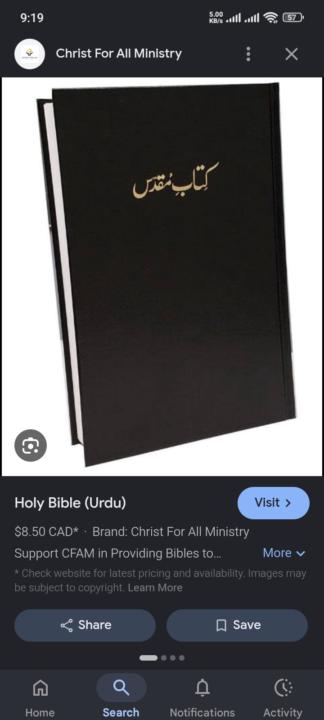
Dear brothers and sisters in Christ,* *With a heart overflowing with joy and thanksgiving, I share this good news:* Many souls at the brick kilns have believed in Jesus Christ and received Him as their personal Lord and Savior! *Praise God for this harvest!* *But these precious new believers face one urgent need* — they do not have a Bible. Their hearts are hungry for God’s Word, yet they have no Scripture to read, no promises to hold, no truth to walk by each day. *Many of them cannot read.* They labor from sunrise to sunset at the kilns. Their hands are rough from work, and their eyes have never learned letters. *But their ears can hear the voice of God.* *So I come to you with a humble request: Help me place the Holy Bible in every hand, and the Audio Bible in every ear.* I long to put God’s printed Word into every hand lifted to Jesus. And for those who cannot read, I long to give them God’s Word they can hear while they mold the bricks — truth spoken into their long days of toil. *Will you stand with me in this great work?* Your partnership can bring the light of God’s Word to those who thirst for it. *Together, we will make sure no soul who has said “yes” to Jesus is left without the Bread of Life.* _“Man shall not live by bread alone, but by every word that comes from the mouth of God.”_ — *Matthew 4:4* _“Faith comes from hearing the message.”_ — *Romans 10:17* *Thank you for prayerfully considering this.* May God bless you abundantly as you give, and may He use every Bible — printed and spoken — to change lives for His glory. In Christ’s love and service, Gulraiz Christain _Servant of the Lord, Pakistan_ ❤️📖🔊
0
0
1-30 of 35
powered by
skool.com/families-in-torah-4524
🕊️ Deuteronomy 6:6–7 — These words that I command you today shall be on your heart. You shall teach them diligently to your children 🕊️
Suggested communities
Powered by