The Book Of Genesis
Genesis (Bereshit – בְּרֵאשִׁית)
Genesis begins with the creation of the world, humanity’s fall, and the flood in Noah’s time. It traces God’s covenant with Abraham, Isaac, and Jacob, revealing His plan to form a chosen people. The stories of faith, failure, and redemption unfold through the patriarchs and matriarchs. The book concludes with Joseph’s rise in Egypt, the preservation of Jacob’s family during famine, and the foundation of Israel’s future nation under God’s promise.
0%
B’reisheet In the Beginning בְּרֵאשִׁית
The Torah scroll is the oldest and most sacred of Israel’s Scriptures, containing five books. The first, B’reisheet, means “in the beginning” — also the name of the first weekly Torah portion. Its English title, Genesis, comes from the Greek Septuagint and means “origins,” reminding us that the first book of the Bible is truly the Book of Beginnings.
0%
Noach Noah נֹחַ
The second reading in the book of Genesis is named after Noah. In Hebrew, the name Noah is Noach. The word Noach is related to the Hebrew word for “rest.” Genesis 5:29 says that his parents named him Noah (Noach, נח) because they hoped their son would give them rest (nacham, נחם) from their toil. The contents of section Noah tell the story of Noah's flood, the tower of Babel, and the beginning of the Abrahamic line.
0%
Lech Lecha Go Out לֶךְ־לְךָ
God calls Abram to leave his homeland and journey to an unknown land He will show him. Abram obeys, traveling to Canaan. A famine forces him to Egypt, where Sarai is taken by Pharaoh but later released. Returning to Canaan, Abram and Lot separate peacefully. Abram rescues Lot from captivity and is blessed by Melchizedek. God makes a covenant with Abram, promising innumerable descendants. Ishmael is born to Hagar, and circumcision becomes the covenant sign as Abram becomes Abraham.
0%

Vayera And He Appeared וַיֵּרָא
God appears to Abraham as he sits by his tent. Three visitors announce that Sarah will bear a son, Isaac. Abraham intercedes for Sodom, pleading for the righteous. Despite his prayers, the cities are destroyed, but Lot and his daughters escape. Lot’s wife looks back and becomes a pillar of salt. Abraham again calls Sarah his sister before Abimelech. Isaac is born, and Ishmael is sent away. God tests Abraham by commanding him to offer Isaac, and Abraham’s faith is proven through obedience.
0%
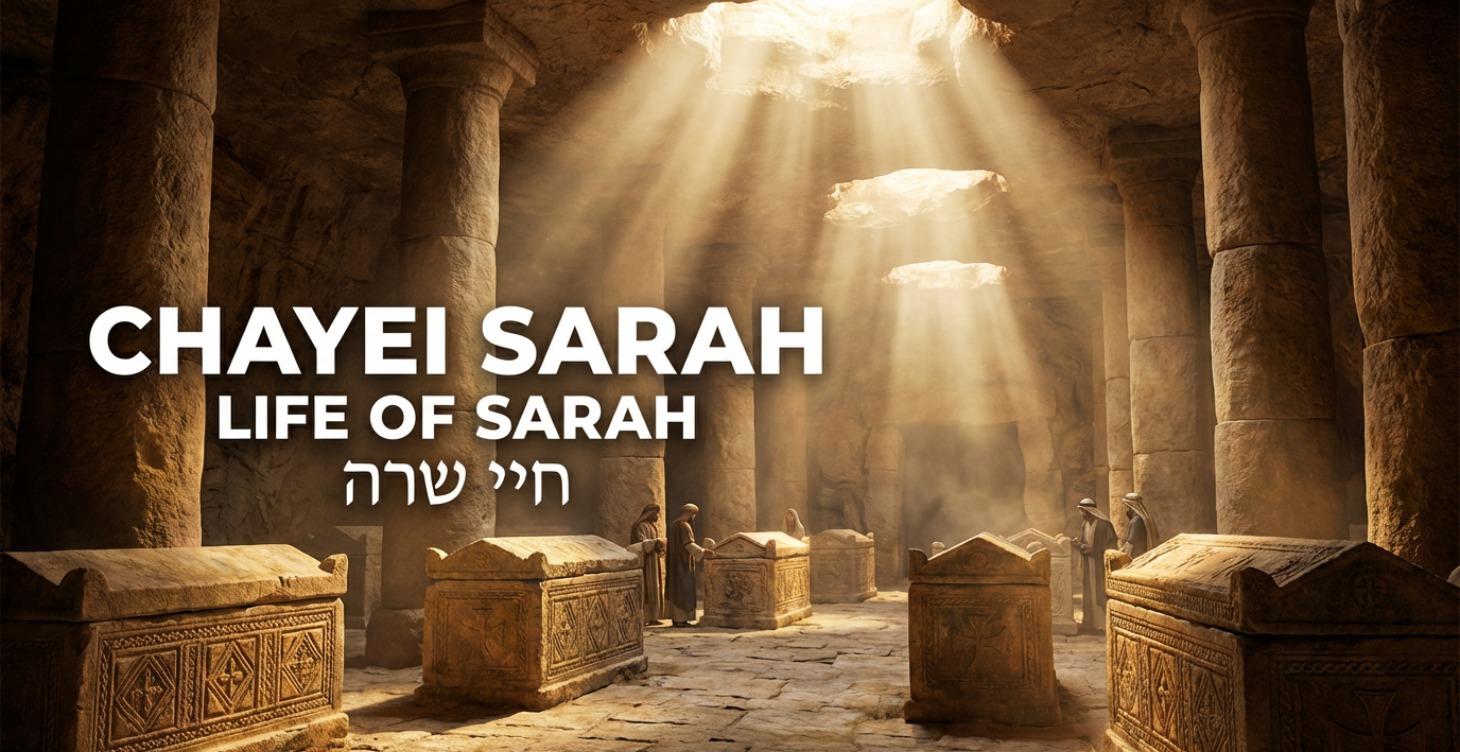
Chayei Sarah Life of Sarah חַיֵּי שָֹרָה
Chayei Sarah (The Life of Sarah – חַיֵּי שָׂרָה)
Sarah dies at 127, and Abraham purchases the Cave of Machpelah in Hebron as a burial site. He sends his servant Eliezer to find a wife for Isaac. Guided by God, Eliezer meets Rebekah, who shows kindness by offering water to him and his camels. Rebekah agrees to go with him and marries Isaac, continuing Abraham’s covenant line. Abraham later marries Keturah, fathers more children, and dies at 175, buried beside Sarah by Isaac and Ishmael.
0%
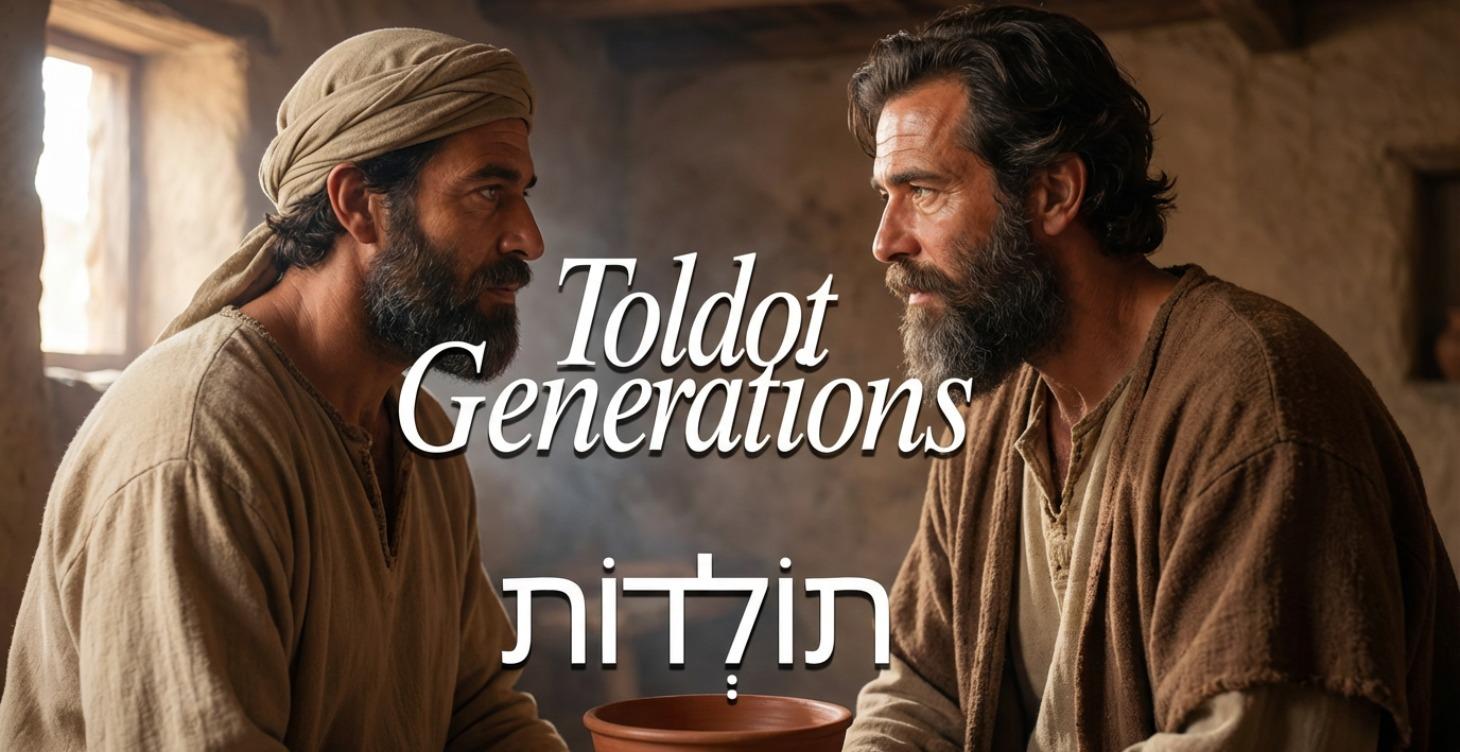
Toldot Generations תּוֹלְדוֹת
Toldot (Generations – תּוֹלְדוֹת)
Isaac and Rebekah have twin sons, Esau and Jacob. Esau, the elder, becomes a hunter, while Jacob is quiet and dwells in tents. Esau sells his birthright to Jacob for a bowl of stew. A famine leads Isaac to settle in Gerar, where he prospers under God’s blessing. Later, Rebekah helps Jacob receive Isaac’s blessing meant for Esau. Esau vows revenge, and Jacob flees to Haran to stay with Laban, beginning his journey as the heir to God’s covenant.
0%
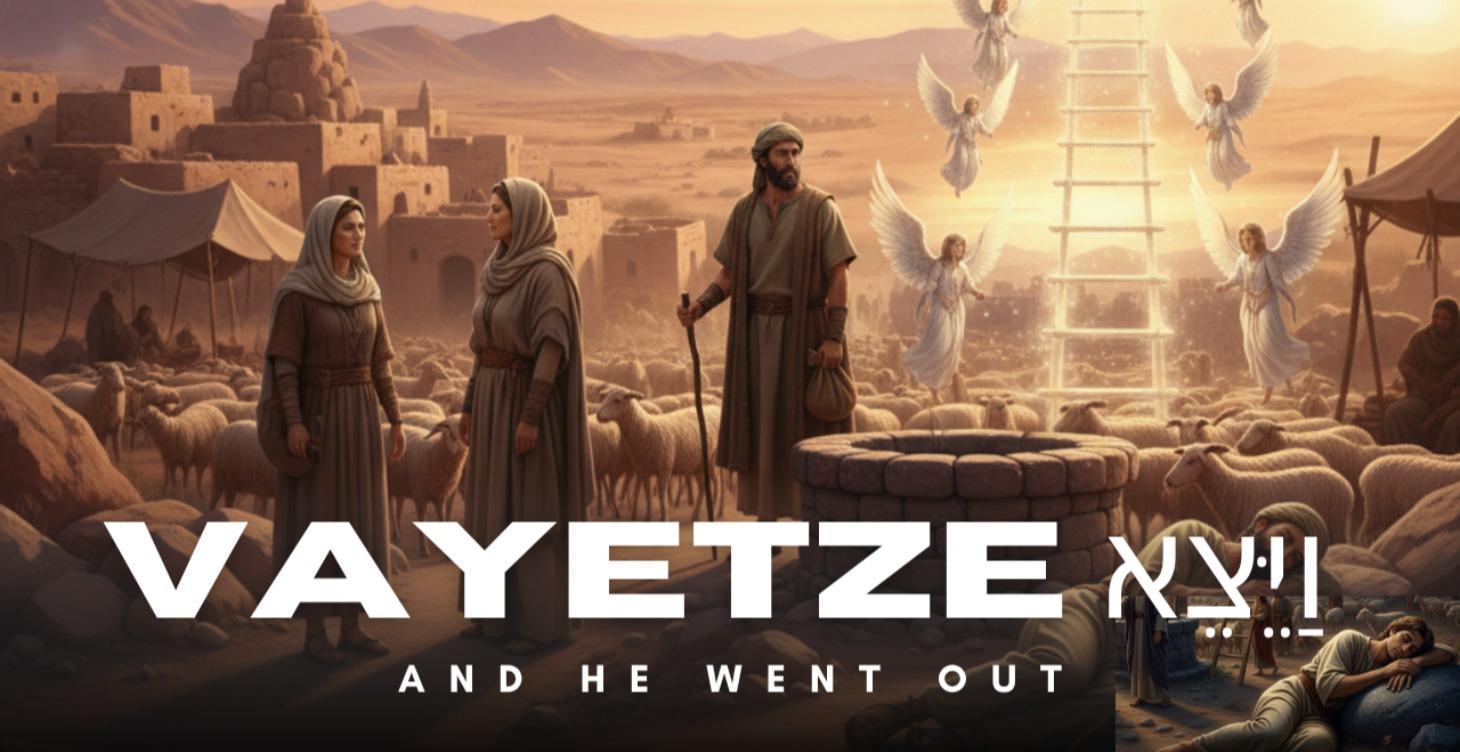
Vayetze And He Went Out וַיֵּצֵא
And He Went Out – וַיֵּצֵא
Jacob leaves Beersheba for Haran and dreams of a ladder reaching heaven, with angels ascending and descending. God reaffirms His covenant with him. In Haran, Jacob meets Rachel at the well and works seven years to marry her, but Laban deceives him into marrying Leah first. Jacob then marries Rachel and fathers many children through them and their maidservants. God prospers Jacob’s flocks, and he leaves Laban’s household, returning toward Canaan under God’s protection.
0%
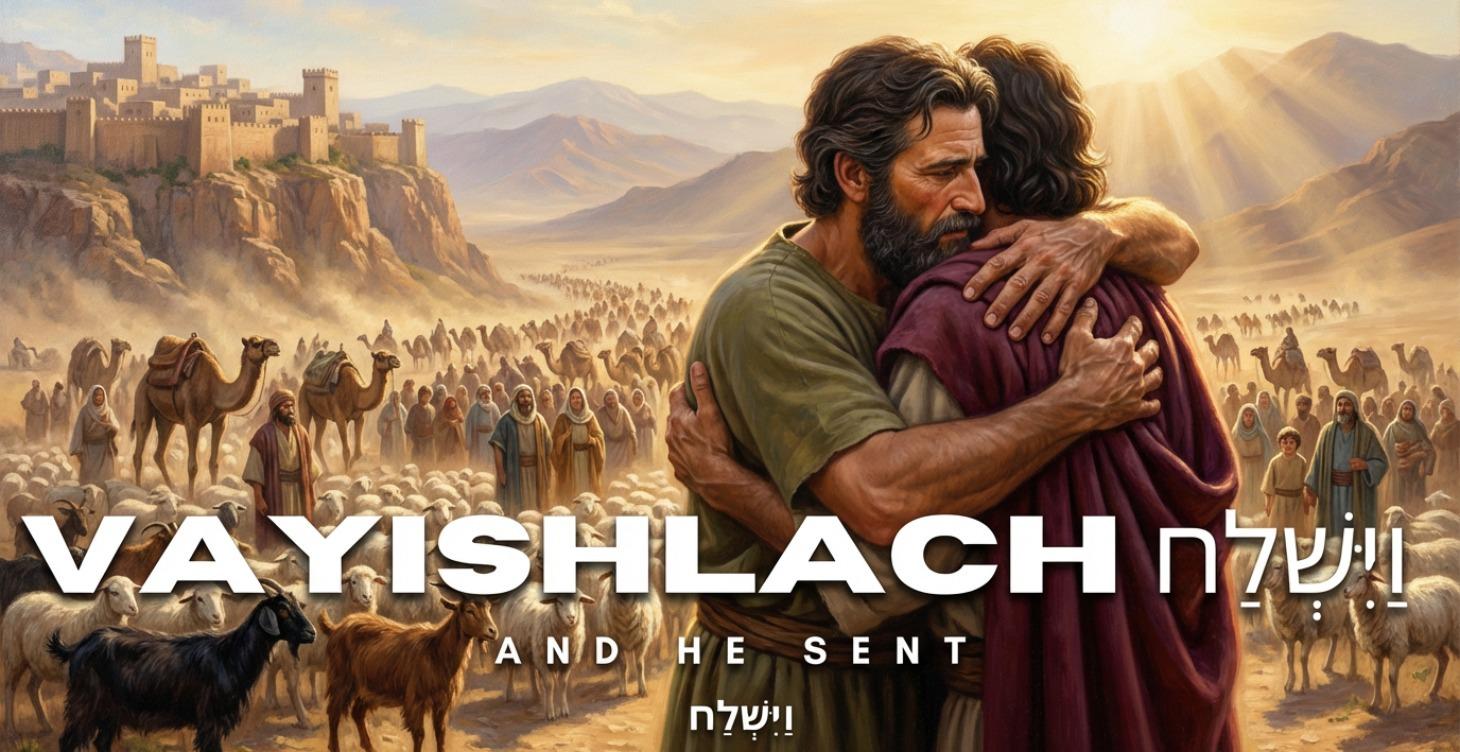
Vayishlach And He Sent וַיִּשְׁלַח
Vayishlach (And He Sent – וַיִּשְׁלַח)
Jacob prepares to meet his brother Esau after many years, sending gifts ahead to appease him. The night before their reunion, Jacob wrestles with a mysterious man—an angel of God—and receives the new name Israel, meaning “one who struggles with God.” He and Esau reconcile peacefully. Later, Jacob’s daughter Dinah is violated in Shechem, leading to violent retribution by her brothers. The portion ends with Rachel’s death and Esau’s lineage.
0%
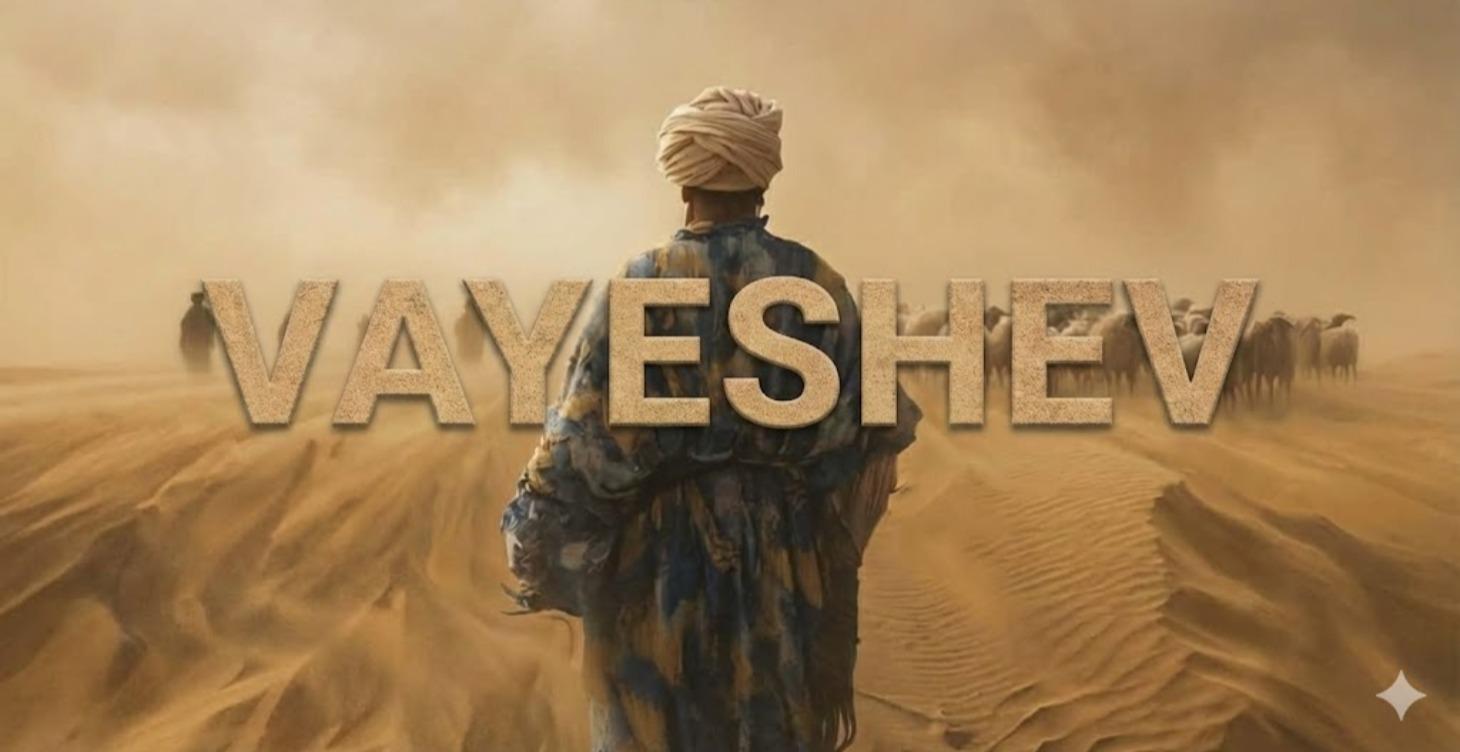
Vayeshev And He Dwelt וַיֵּשֶׁב
Vayeshev, the ninth Torah portion in the book of Genesis, takes its name from the opening verse, meaning “and he dwelt.” It begins with the statement: “Now Jacob dwelt in the land where his father had sojourned, in the land of Canaan” (Genesis 37:1).
0%
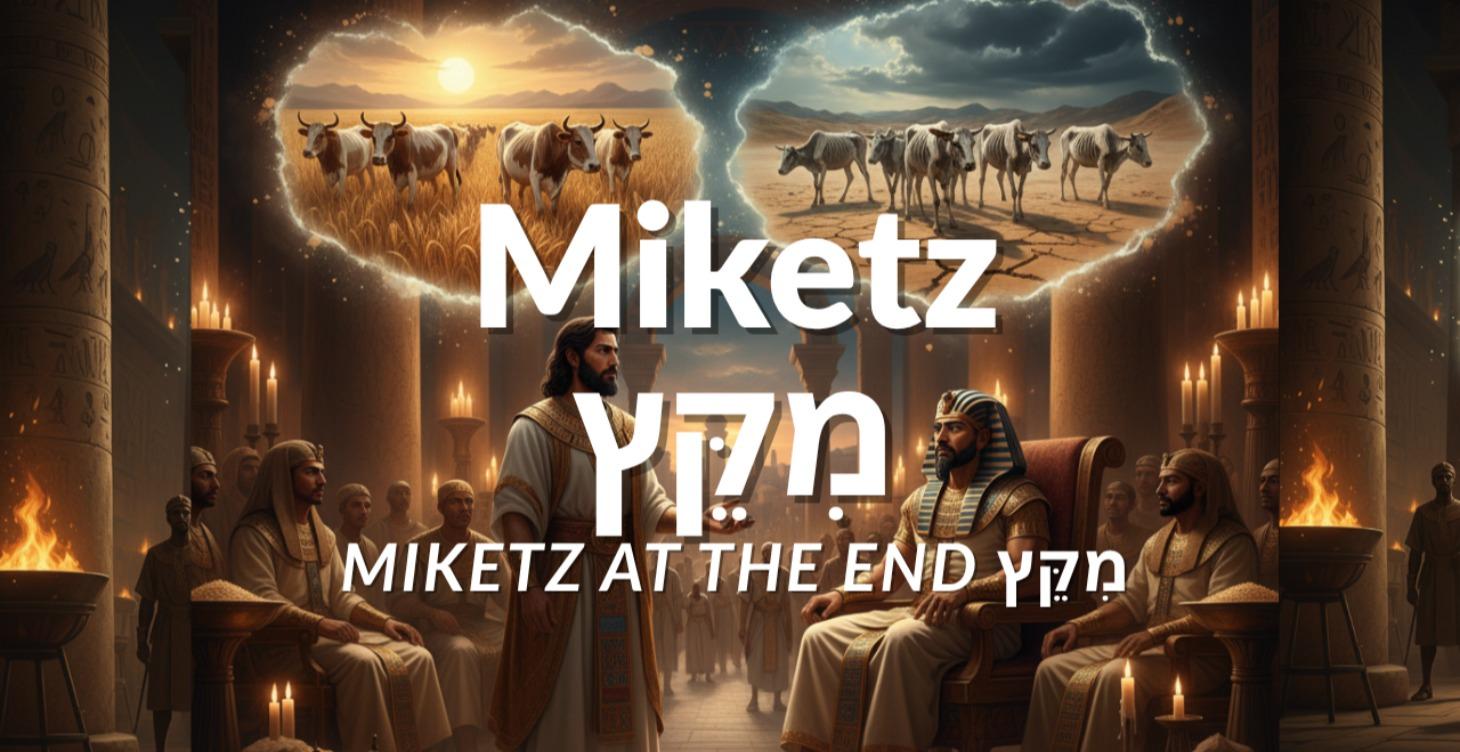
Miketz At the End מִקֵּץ
Miketz (At the End – מִקֵּץ)
Two years after interpreting the dreams of Pharaoh’s servants, Joseph is summoned to interpret Pharaoh’s own troubling dreams of seven fat cows and seven lean cows. He explains that Egypt will experience seven years of plenty followed by seven years of famine. Pharaoh appoints Joseph as governor to oversee the land’s preparation. When famine strikes, Joseph’s brothers come to Egypt for grain, not recognizing him, setting the stage for their eventual reconciliation.
0%
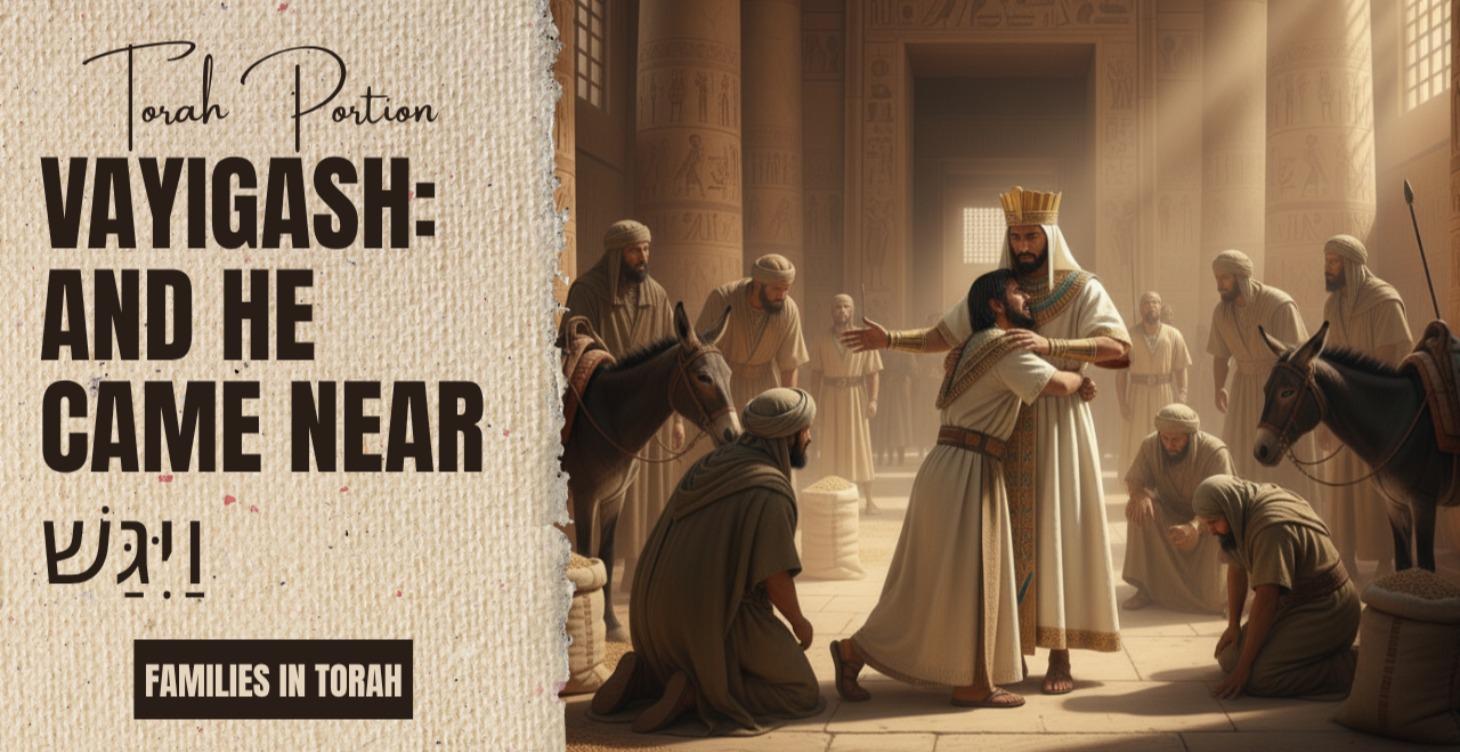
Vayigash And He Came Near וַיִּגַּשׁ
Vayigash (And He Came Near – וַיִּגַּשׁ)
Judah pleads with Joseph to spare Benjamin, offering himself as a substitute. Moved by compassion, Joseph reveals his true identity to his brothers and assures them that God sent him ahead to preserve life. He invites his father Jacob and the entire family to settle in Egypt under his protection. Pharaoh welcomes them and provides land in Goshen. The portion concludes with the emotional reunion of Joseph and Jacob, marking the restoration of the family.
0%
Vayechi And He Lived וַיְחִי
Vayechi And He Lived – וַיְחִי
Jacob spends his final years in Egypt with his family. Before his death, he blesses Joseph’s two sons, Ephraim and Manasseh, giving the younger Ephraim the greater blessing. Jacob gathers his sons to reveal their destinies and offers prophetic words over each tribe of Israel. After commanding that he be buried in the Cave of Machpelah, Jacob dies. Joseph fulfills his father’s wish, forgives his brothers once more, & assures them of God’s continuing plan for Israel.
0%
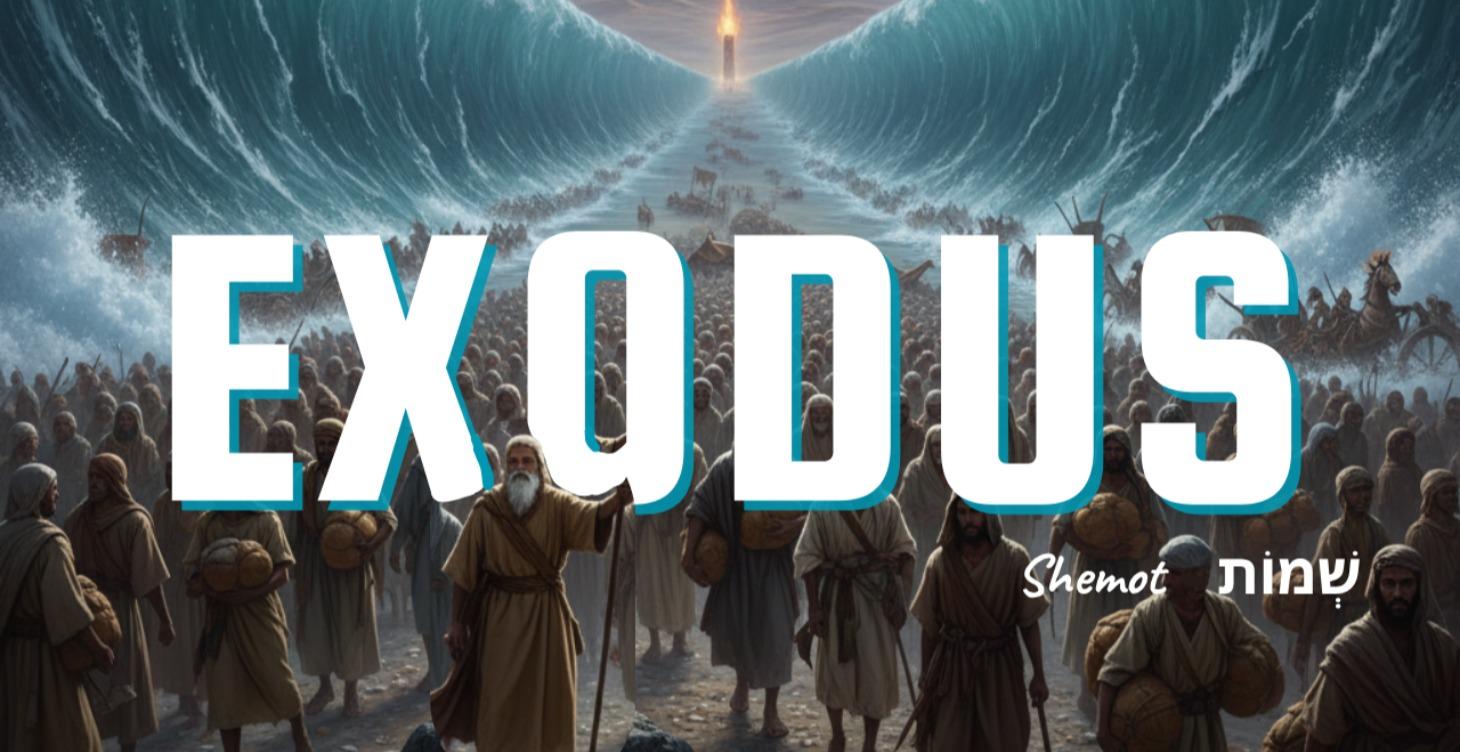
The Book of Exodus
Exodus (Shemot – שְׁמוֹת)
Exodus recounts Israel’s deliverance from slavery in Egypt through God’s mighty power. Moses leads the people out after the ten plagues and the miraculous parting of the Red Sea. At Mount Sinai, God gives the Ten Commandments and establishes His covenant with Israel. The people build the Tabernacle so God may dwell among them. Exodus reveals God as Redeemer and Lawgiver, calling His people to holiness, worship, and covenant obedience.
0%
Shemot Names שְׁמוֹת
Shemot (Names – שְׁמוֹת)
The book of Exodus begins with the Israelites multiplying in Egypt after Joseph’s death. A new Pharaoh, who does not remember Joseph, enslaves them and orders the death of their male infants. Moses is born, hidden in a basket, and raised in Pharaoh’s household. After killing an Egyptian, he flees to Midian, where he encounters God in the burning bush. God commissions Moses to return to Egypt and deliver His people from bondage, promising divine power and deliverance.
0%
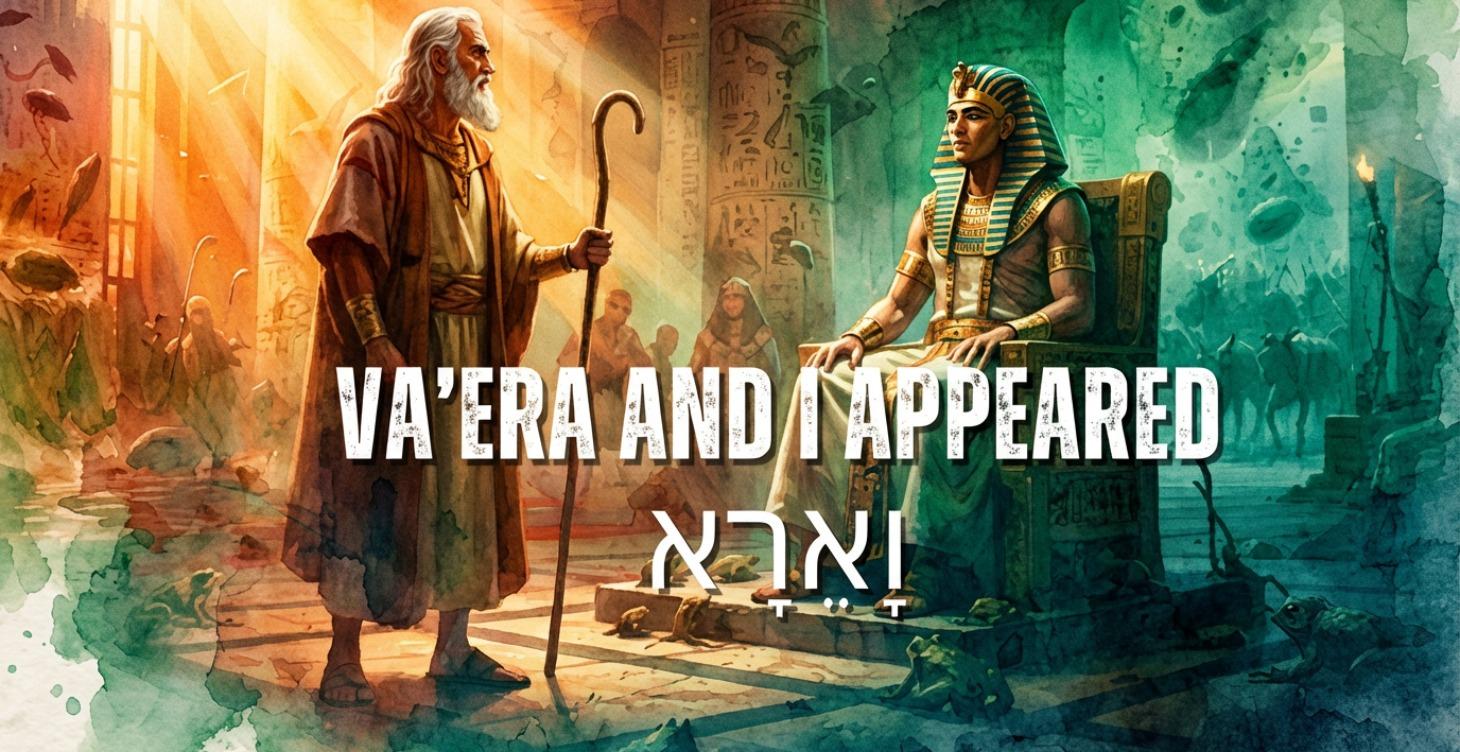
Va’era And I Appeared וָאֵרָא
Va’era (And I Appeared – וָאֵרָא)
God reveals Himself to Moses as the LORD and reaffirms His covenant with Abraham, Isaac, and Jacob. He commands Moses to confront Pharaoh and demand Israel’s release. Despite Pharaoh’s hardened heart, God sends a series of devastating plagues upon Egypt — blood, frogs, lice, wild beasts, pestilence, boils, and hail — demonstrating His power and sovereignty over all creation. The portion highlights God’s faithfulness and His plan to redeem His people.
0%

Bo Come בֹּא
Bo (Come – בֹּא)
God commands Moses to go to Pharaoh and announce the final plagues: locusts, darkness, and the death of Egypt’s firstborn. Israel is instructed to prepare for deliverance through the Passover sacrifice, marking their doorposts with lamb’s blood as a sign for protection. At midnight, the firstborn of Egypt die, and Pharaoh finally releases the Israelites. The portion ends with God establishing Passover as an eternal remembrance of His mighty redemption.
0%
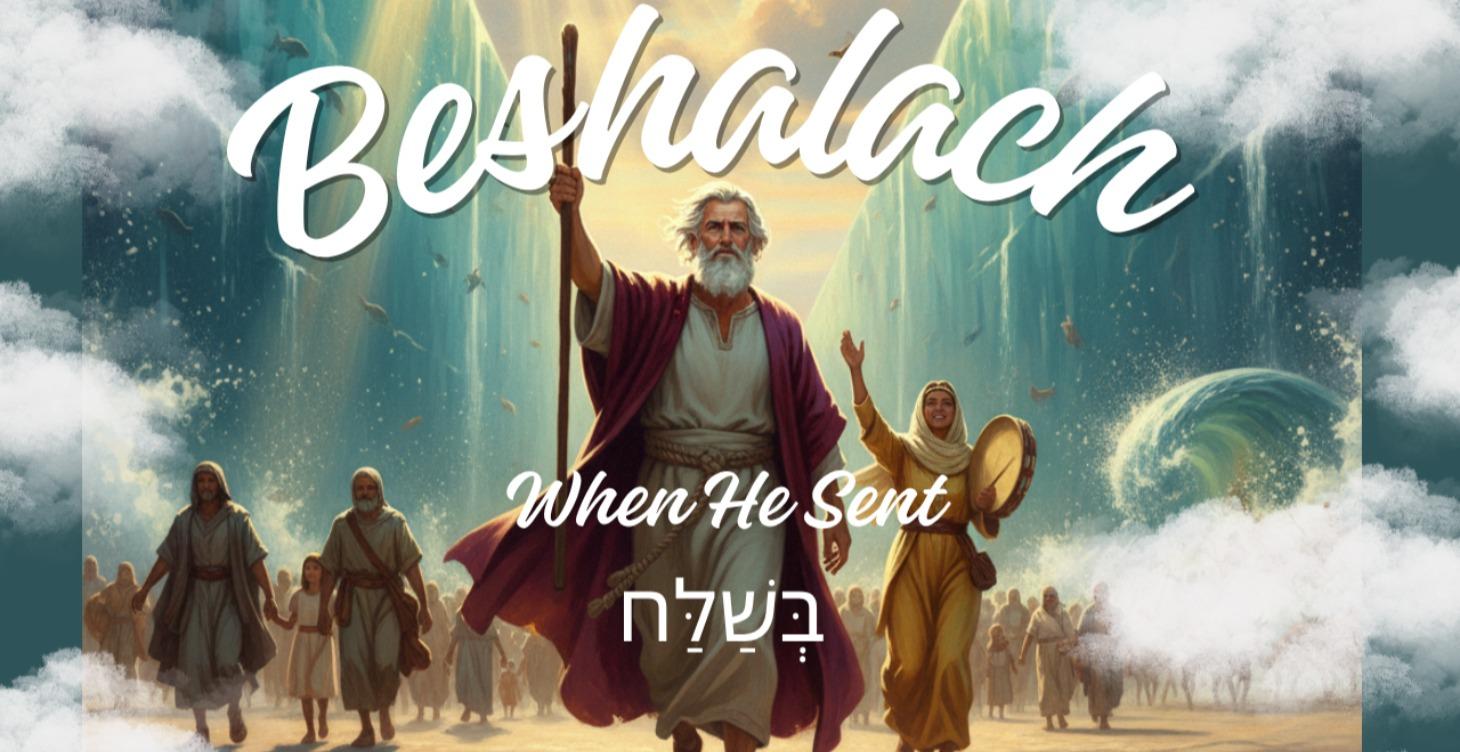
Beshalach When He Sent בְּשַׁלַּח
Beshalach (When He Sent – בְּשַׁלַּח)
Pharaoh finally lets Israel go, but soon pursues them to the Red Sea. God parts the waters, allowing the Israelites to cross safely before closing them over the Egyptians. Moses and Miriam lead a song of victory. In the wilderness, God provides manna, quail, and water from a rock, teaching Israel to trust Him daily. Beshalach reveals God’s power, faithfulness, and His desire for His people to walk in faith and obedience.
0%
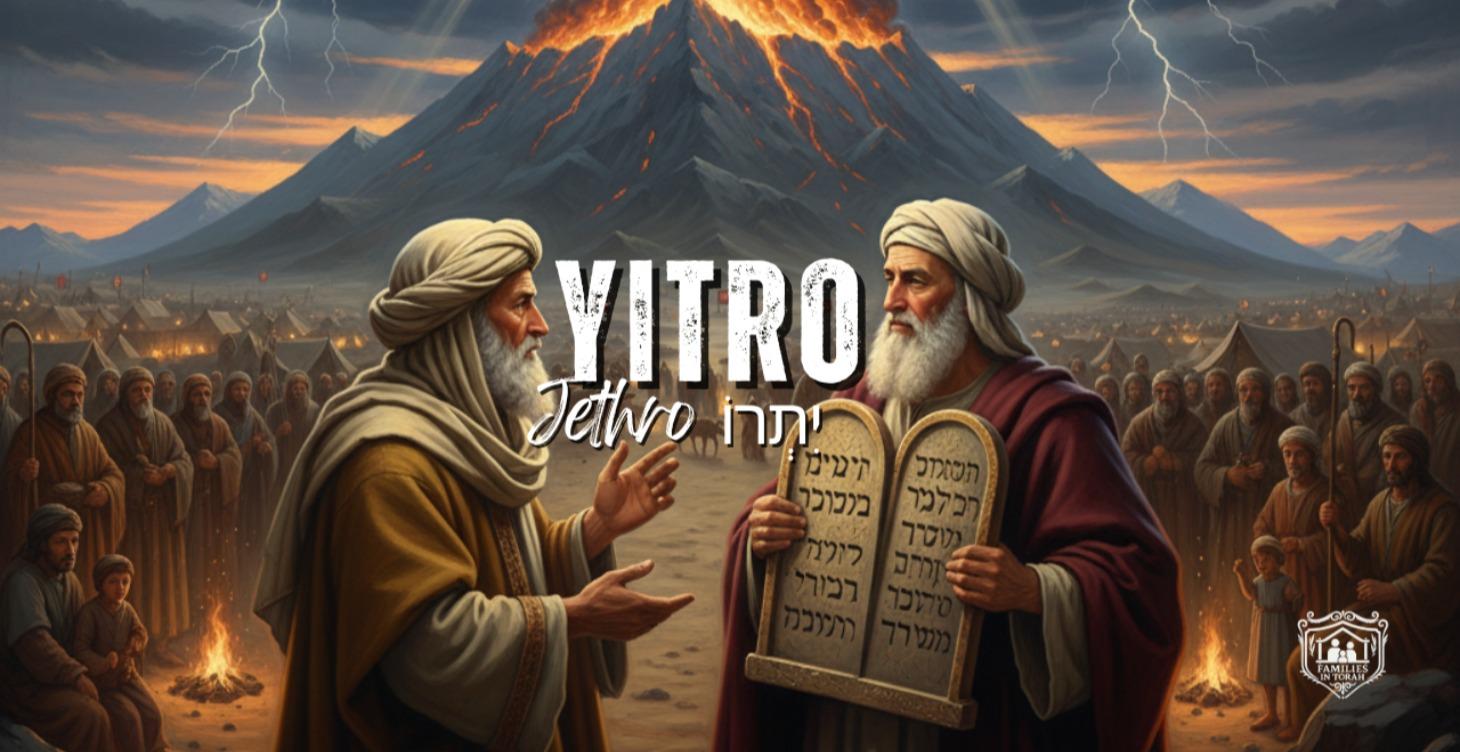
Yitro Jethro יִתְרוֹ
**Yitro (Jethro – יִתְרוֹ)**
Moses’ father-in-law Jethro visits him in the wilderness, advising him to appoint capable leaders to help judge the people. Soon after, Israel camps at Mount Sinai, where God calls them His treasured possession and kingdom of priests. The people prepare for a divine encounter as God descends on the mountain in fire and thunder. There, He gives the Ten Commandments, establishing His covenant and revealing His holiness to Israel.
0%

Mishpatim Judgments מִּשְׁפָּטִים
Mishpatim (Judgments – מִּשְׁפָּטִים)
Following the giving of the Ten Commandments, God presents detailed laws guiding Israel’s social, ethical, and spiritual life. These include justice between people, treatment of servants, protection of the vulnerable, restitution for harm, and commands for Sabbath and festivals. Moses writes the covenant and reads it before the people, who affirm, “We will do and hear.” Mishpatim reveals God’s call to live righteously in community and covenant faithfulness.
0%
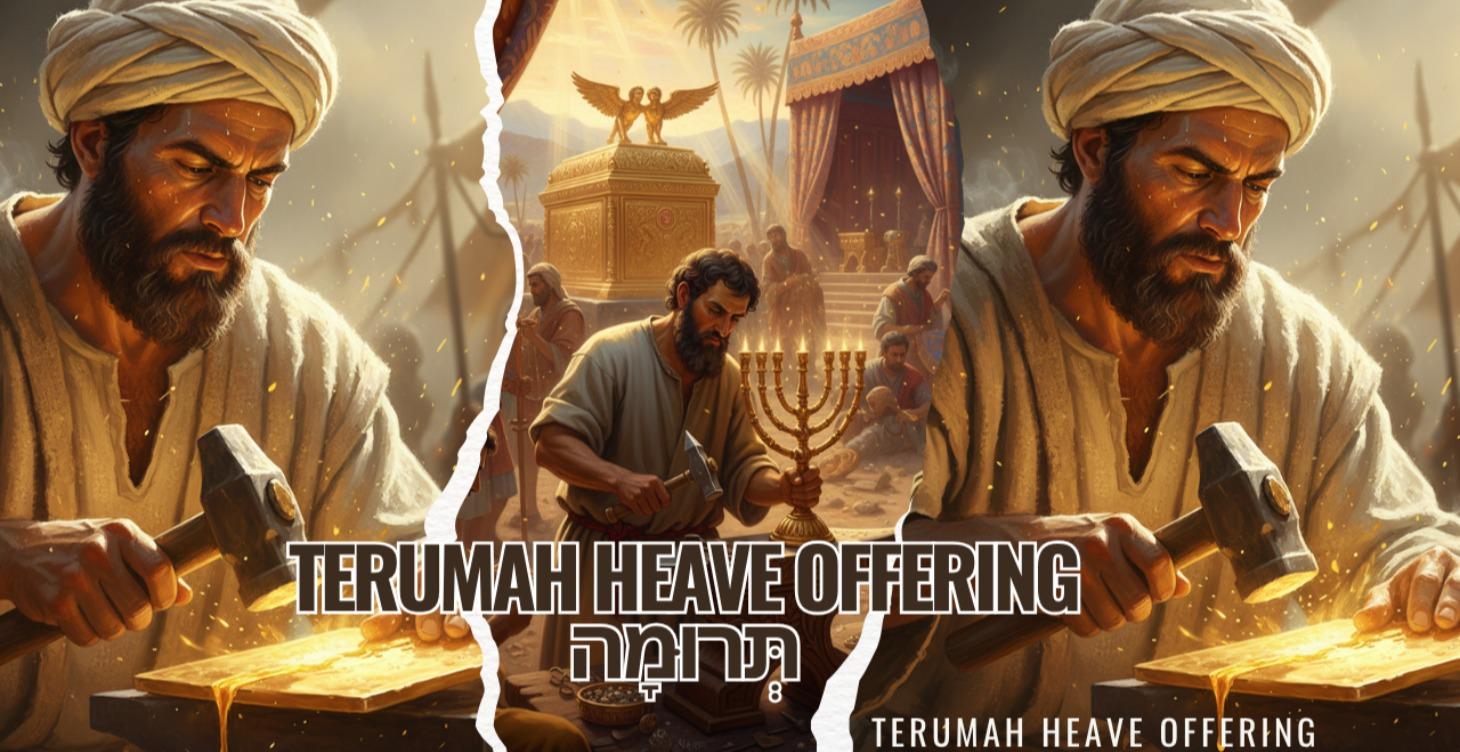
Terumah Heave Offering תְּרוּמָה
**Terumah (Heave Offering – תְּרוּמָה)**
God instructs Moses to receive offerings from the Israelites to build the Tabernacle so that He may dwell among them. Detailed blueprints are given for the Ark of the Covenant, the Table of Showbread, the Golden Lampstand, and the Tabernacle’s structure. Each item is crafted from the people’s willing gifts of gold, silver, and fine materials. Terumah reveals God’s desire for a holy dwelling and the beauty of generosity in worship.
0%
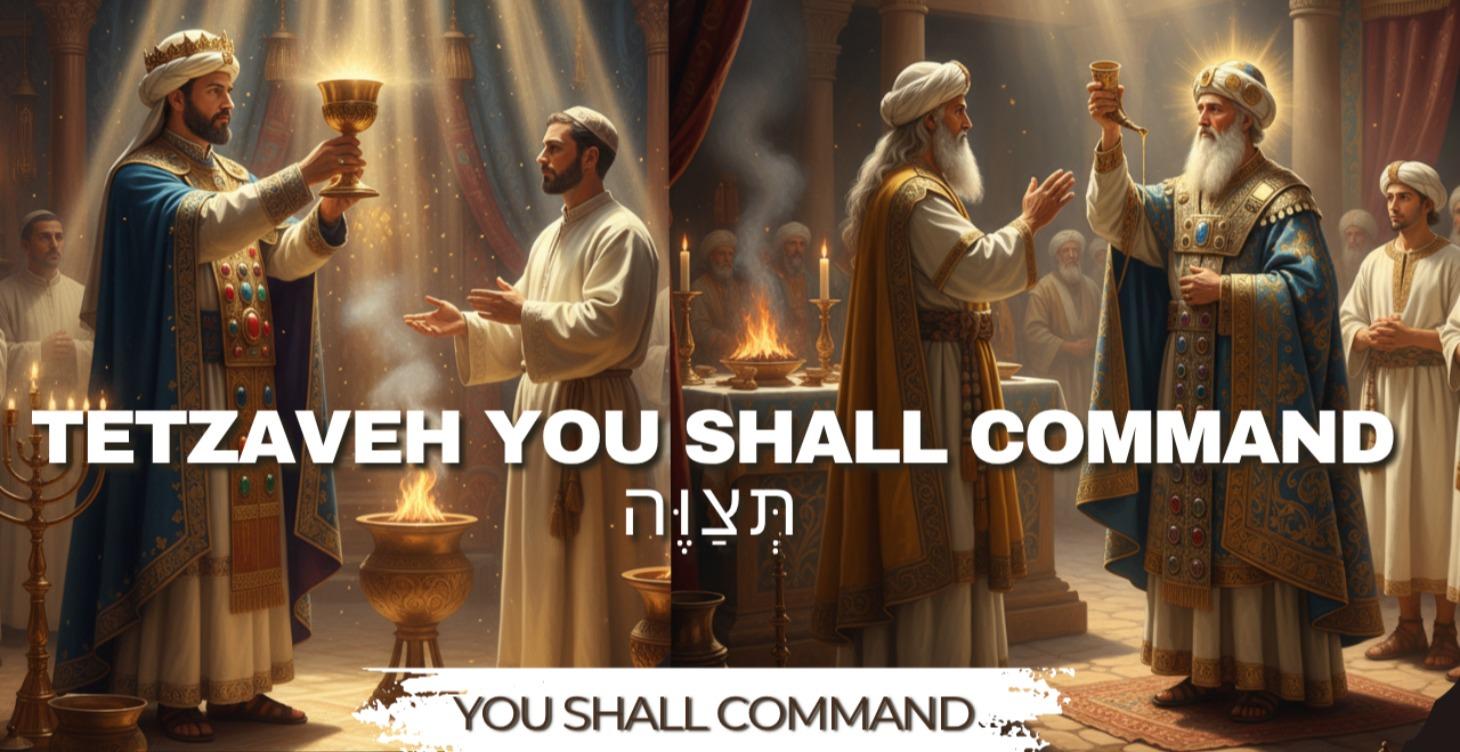
Tetzaveh You Shall Command תְּצַוֶּה
Tetzaveh (You Shall Command – תְּצַוֶּה
God commands Moses to instruct the Israelites to bring pure olive oil for the Menorah so its light may burn continually. Detailed directions are given for the priestly garments—especially the sacred attire of Aaron the High Priest, including the ephod, breastplate, and crown of holiness. The portion describes the consecration of the priests and daily offerings, symbolizing continual service, purity, and divine presence among God’s people.
0%
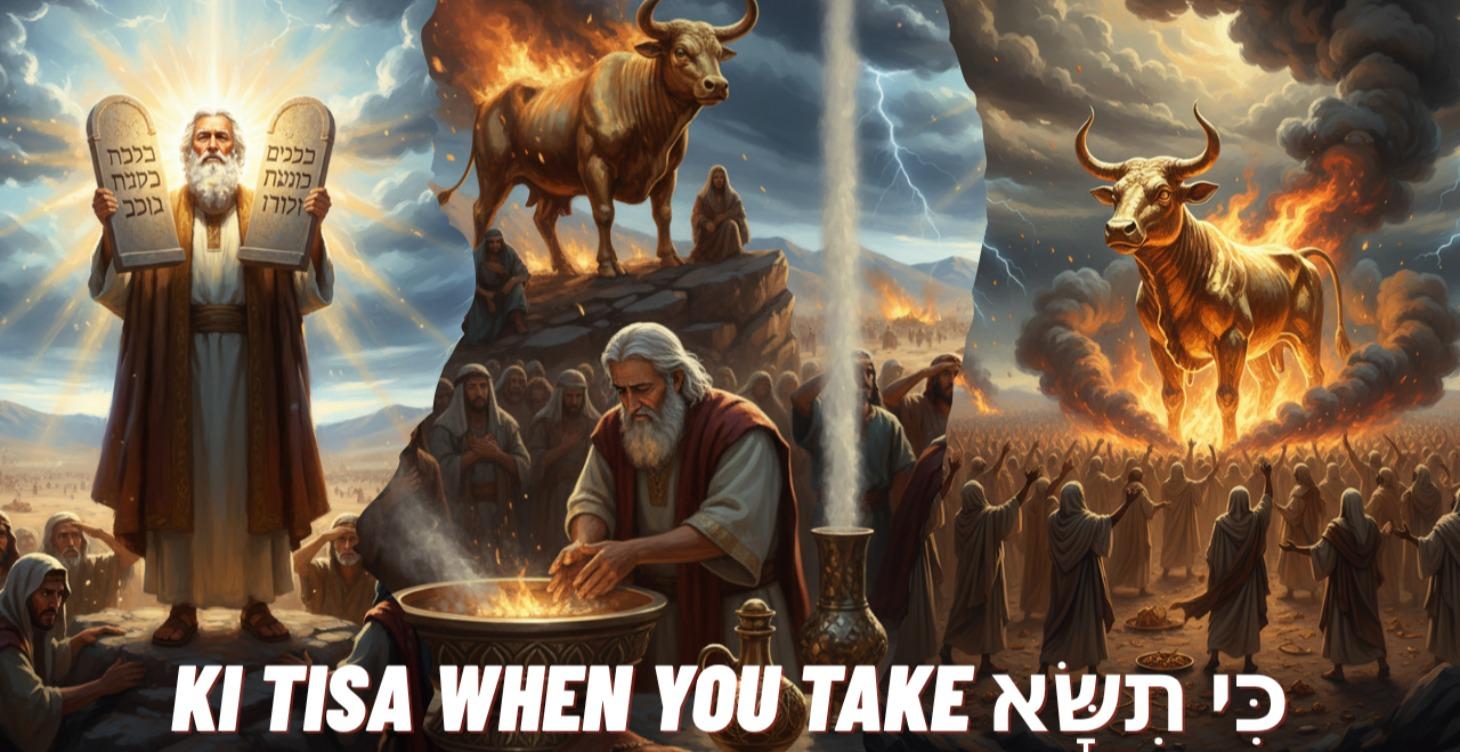
Ki Tisa When You Take כִּי תִשָּׂא
**Ki Tisa (When You Take – כִּי תִשָּׂא)**
God instructs Moses to take a census of Israel, each person giving a half-shekel as atonement. The portion includes the making of the bronze basin, anointing oil, and incense. When Moses delays returning from Mount Sinai, the people build the Golden Calf, leading to sin and judgment. Moses intercedes, the covenant is renewed, and his face shines after speaking with God. *Ki Tisa* reveals themes of repentance, intercession, and divine mercy.
0%
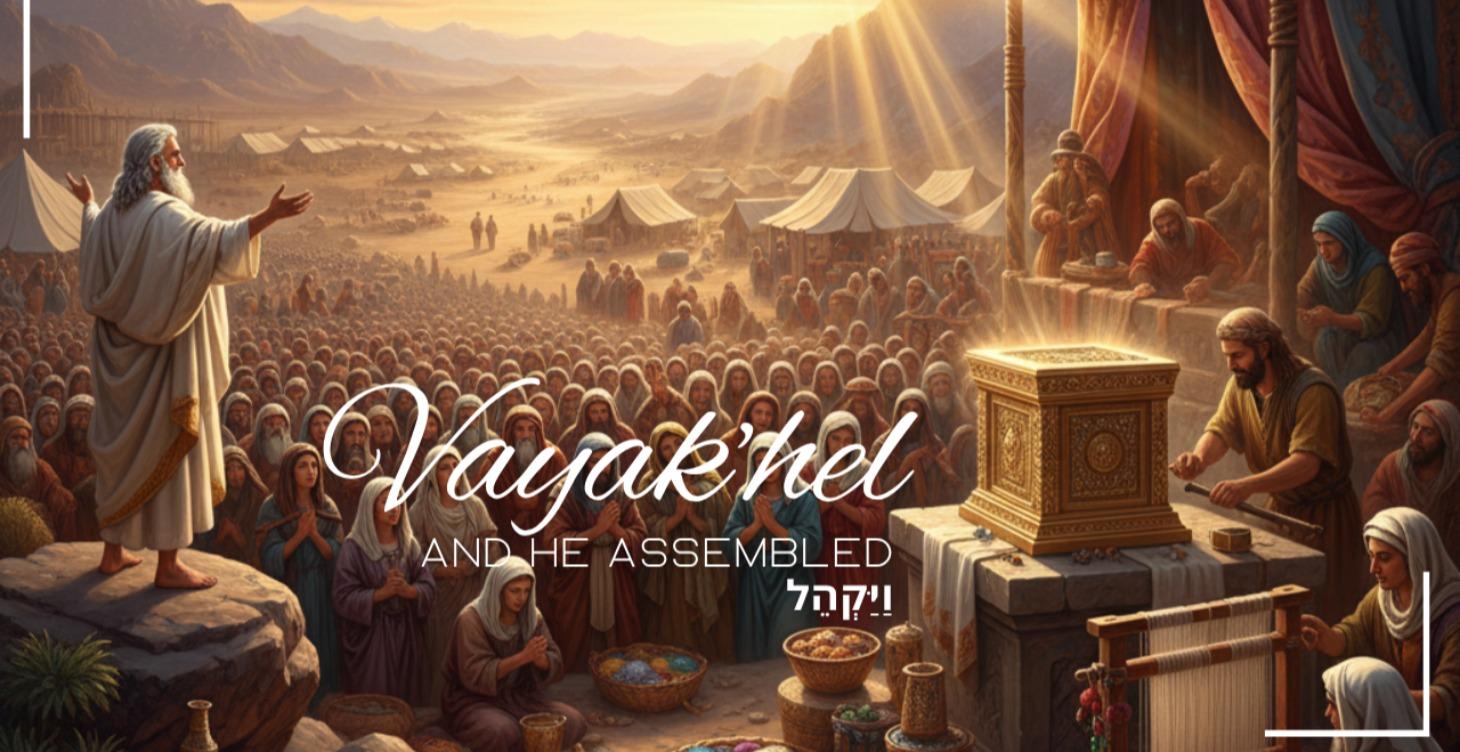
Vayak’hel And He Assembled וַיַּקְהֵל
**Vayak’hel (And He Assembled – וַיַּקְהֵל)**
Moses gathers the Israelites and reminds them to keep the Sabbath. The people bring generous offerings to build the Tabernacle. Skilled artisans craft the Ark, Table, Lampstand, altars, and curtains exactly as God commanded. Men and women, moved by willing hearts, contribute gold, silver, and fine materials. *Vayak’hel* emphasizes unity, devotion, and using one’s gifts in obedience to God’s presence and purpose.
0%
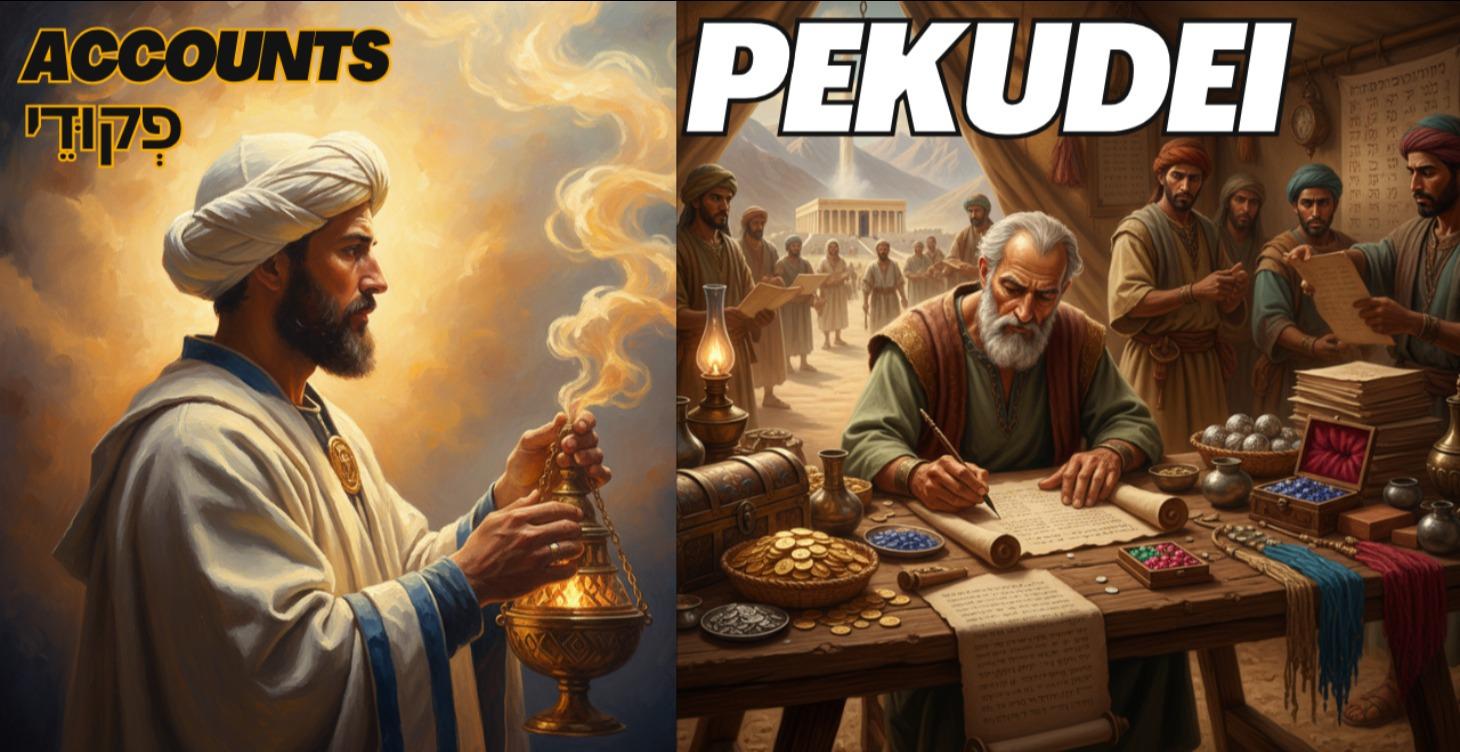
Pekudei Accounts פְקוּדֵי
**Pekudei (Accounts – פְקוּדֵי)**
Moses records the exact amounts of gold, silver, and bronze used in constructing the Tabernacle. The craftsmen complete the priestly garments, and Moses inspects all the work, finding it done just as the Lord commanded. God’s glory fills the Tabernacle when it is erected, and His presence rests among Israel. *Pekudei* emphasizes accountability, obedience, and the fulfillment of God’s dwelling among His people.
0%
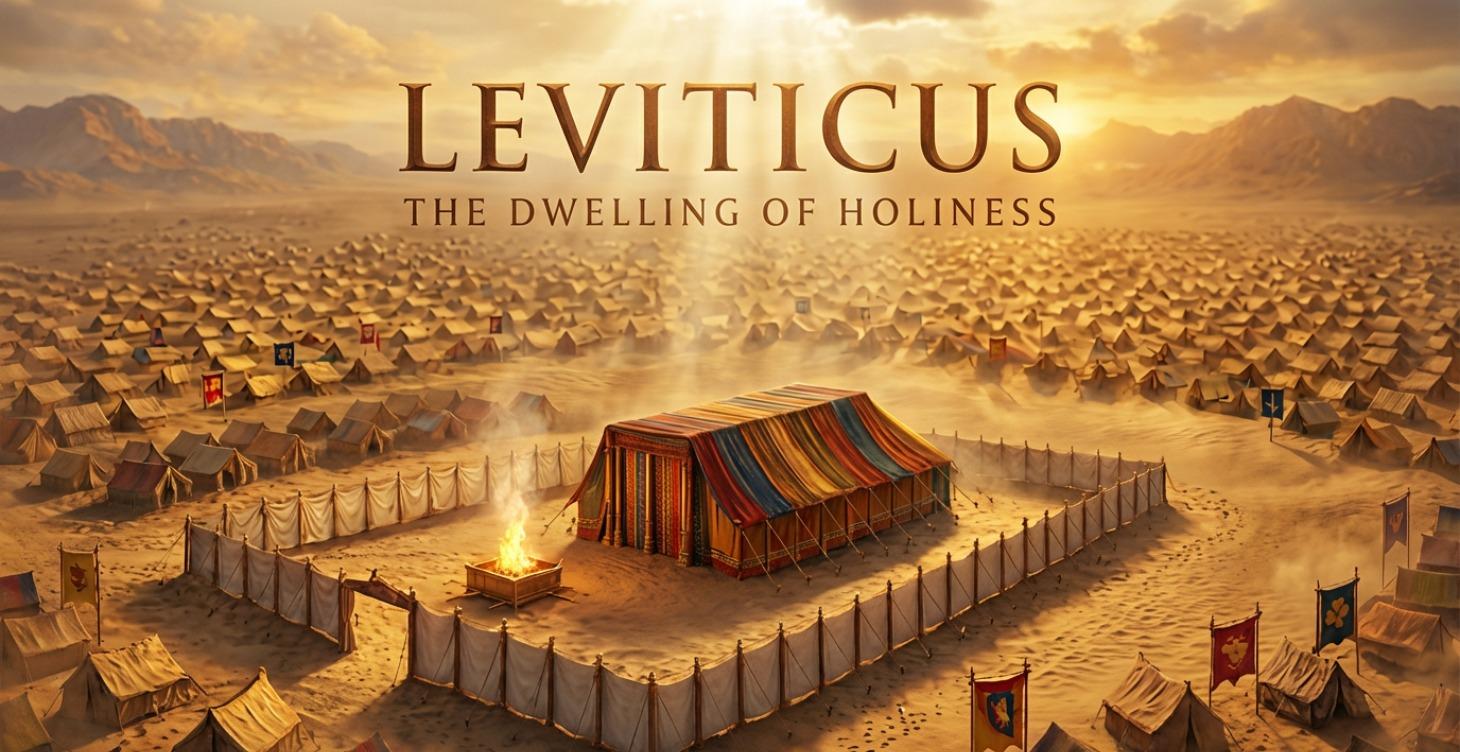
The Book of Leviticus
**Leviticus** centers on holiness—how Israel can live in the presence of a holy God. It details sacrifices, priestly duties, purity laws, and moral commands given at Mount Sinai. Through offerings, atonement, and obedience, the people are taught to be “holy as God is holy.” The book reveals that holiness is not withdrawal from life but sanctifying every part of it—worship, relationships, and daily living—so that God may dwell among His people in purity and communion.
0%
Vayikra And He Called וַיִּקְרָא
**Vayikra (And He Called – וַיִּקְרָא)** opens the Book of Leviticus, where God calls Moses from the Tabernacle to instruct Israel in offerings and holiness. It details burnt, grain, peace, sin, and guilt offerings—each expressing worship, gratitude, or atonement. Through these sacrifices, God teaches that forgiveness and closeness to Him come through obedience and purity. *Vayikra* emphasizes holiness through sacrifice and divine fellowship.
0%
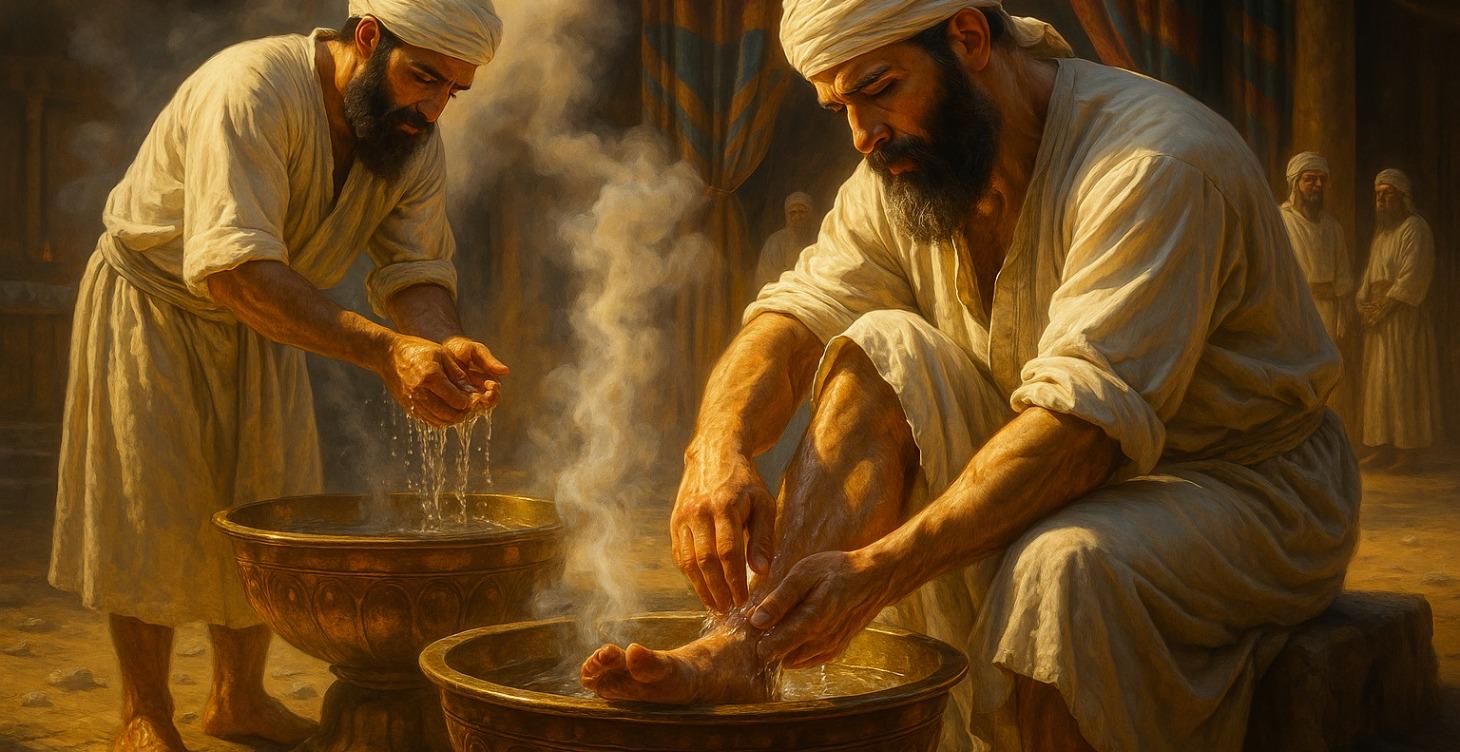
Tzav Command צַו
**Tzav (Command – צַו)** continues God’s instructions to Moses regarding the priests and the offerings. It explains the continual burnt offering, sin and guilt offerings, peace offerings, and the anointing of Aaron and his sons for priestly service. Fire on the altar must never go out, symbolizing constant devotion. *Tzav* emphasizes obedience, holiness in service, and the perpetual flame of worship that keeps God’s presence among His people.
0%
Sh’mini Eighth שְּׁמִינִי
**Sh’mini (Eighth – שְּׁמִינִי)** describes the eighth day of priestly consecration, when Aaron and his sons begin their ministry. God’s glory appears as fire consumes the offering, but tragedy strikes when Nadab and Abihu offer unauthorized fire and die. The portion establishes laws of purity and dietary distinctions between clean and unclean animals. *Sh’mini* teaches reverence in worship and the importance of holiness in approaching God’s presence.
0%
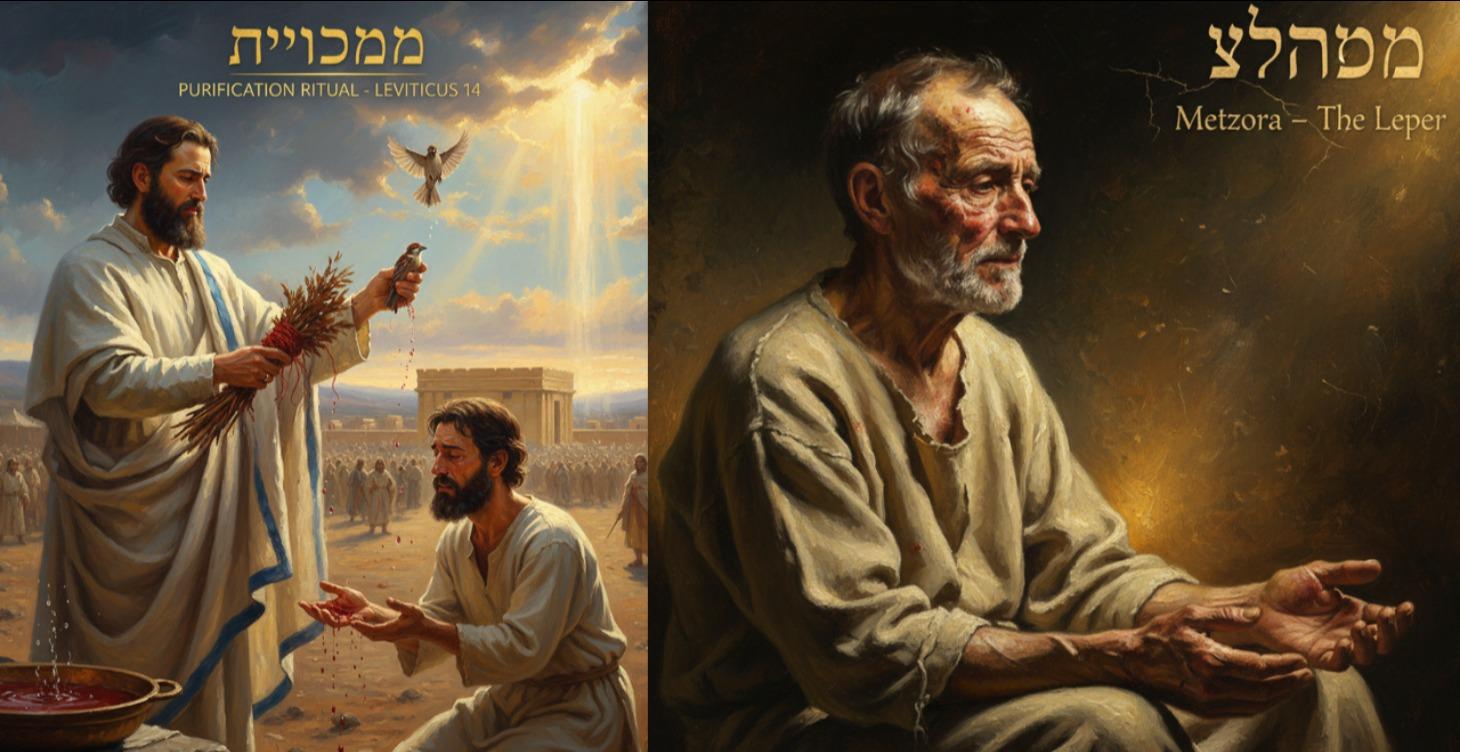
Metzora Leper מְּצֹרָע
**Metzora (Leper – מְּצֹרָע)** continues the laws of purification for those healed from *tzara’at* (skin disease). The priest performs rituals with birds, cedar wood, scarlet, and hyssop to restore the person to community and worship. The portion also details cleansing houses and bodily impurities. *Metzora* emphasizes restoration, showing that God’s holiness not only separates from impurity but also provides a path for renewal and reconciliation.
0%
1-30 of 70