
Pinned

29d •
How to Use This Community
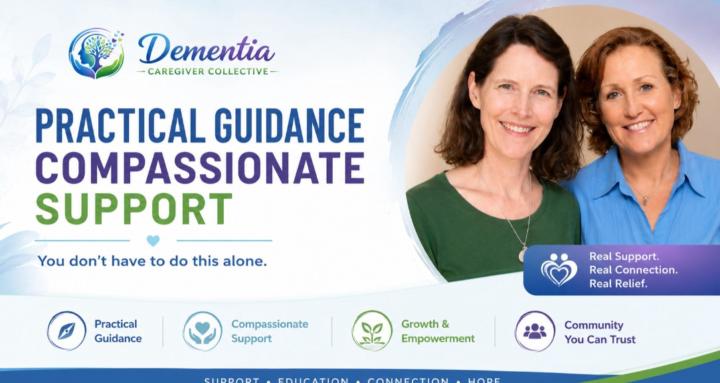
Welcome First, take a deep breath. You do not need to read everything, watch everything, or figure everything out today. Caregiving is already asking a lot of you. This community was designed to help you find clarity, support, and practical guidance one step at a time. Start Where You Are Every caregiver's journey is different. Some members are just beginning to notice changes in a loved one. Others are navigating complex care needs every day. There is no "right" place to start. Use the Caregiver Roadmap to identify the topics and resources that feel most relevant to your situation today. Focus on What Helps Right Now You do not need to learn everything about dementia at once. In fact, trying to do so often creates more anxiety. Instead, ask yourself: "What is the biggest challenge I'm facing right now?" Start there. One helpful insight today is more valuable than information you won't need for another year. Ask Questions One of the most valuable parts of this community is the collective wisdom of caregivers who understand this journey. If you're struggling with a behavior, a difficult conversation, a family challenge, or simply feeling stuck, ask. Chances are someone else has experienced something similar. Learn at Your Own Pace Some members visit every day. Others check in when they need support. Both are okay. This community is here when you need it. There is no falling behind. Share What You're Comfortable Sharing You never have to share more than feels right. Some caregivers find comfort in telling their story. Others prefer to learn quietly for a while. Both approaches are welcome here. One of the hardest parts of dementia caregiving is feeling like no one truly understands what you're carrying. We created this community because caregivers deserve practical guidance, compassionate support, and a place where they don't have to explain everything before being understood. We're glad you're here. Robin & Donna Quick Start Checklist Watch the Welcome Video
Pinned
Jul 27 •
Start Here- Introductions
Before you jump into the lessons or explore the community, we'd love for you to introduce yourself when you're ready. You don't have to share your whole story. Just tell us your name, who you're caring for, or even one thing that's been on your mind lately. You'll quickly discover that you're among people who understand.
2d •
It May Not Be Stubbornness
What looks like defiance may be fear, confusion, impaired initiation, loss of control, embarrassment, pain, or even a task that no longer makes sense. Before we assume they won’t, ask whether they can understand, tolerate, or manage what is being asked in that moment. What is one situation where “no” seems to show up over and over?
3
0

5d •
The One Change Challenge
Change one expectation that is harder than it needs to be. For example: ( and there are many) You don't need to attend all family gatherings or events. The challenge: ask yourself, is this something I really need to do? Or am I doing it because that's the way it's alwaysbeen done?

7d •
What Else are YOU Carrying?
Before deciding how you might TRY harder, notice, what was happening right before this difficult moment for YOU. You might find that the day at work was more stressful and time pressing, the family is waiting impatiently for dinner, you've had to wrangle dad to come sit at the table. Now we're looking at the whole system, your loved one and You. Sometimes the clue isn't only the person living with dementia

1-30 of 64
skool.com/dementiacaregivercollective
Practical dementia guidance. Compassionate caregiver support.
Leaderboard (30-day)
1

+16
2

+12
3

+4
4

+3
5

+2
Powered by