
Write something
May 26 •
Ask AI Lauren | Behaviour Assistant
Most people are not looking for obedience tips.They are trying to understand why their dog is struggling. Instead, they end up lost in late night Google searches, conflicting advice, and outdated behaviour information that leaves them feeling even more overwhelmed. So I built Ask AI Lauren. A welfare first behaviour support assistant trained on 15 years of real world behaviour cases and professional consulting experience. Designed to help people better understand behaviour through an ethical, evidence informed lens. No fear. No shame. No quick fixes. Just clearer understanding, calmer guidance, and support that considers the whole dog. https://stan.store/canineconversationsperth/p/pro-hub-assistant
Apr 12 •
Affective Aggression
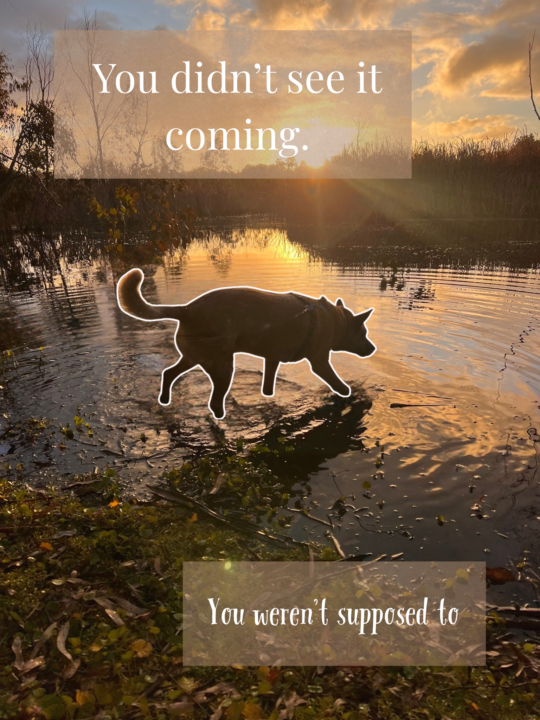
You didn’t see it coming. You weren’t supposed to. We share our lives with a captive animal. That’s the reality. An animal with natural behavioural patterns we don’t fully control and don’t always fully understand. That doesn’t make them dangerous. But it does mean we need to take responsibility for the environments we place them in and the behaviours we allow them to practise. Because we don’t always know what experience might awaken something natural. And once a pattern begins, it becomes something the dog will seek. This is where risk develops. Not from intent but from experience. Chasing wildlife, focusing on movement, rehearsing parts of the sequence all strengthen the behaviour over time. So the focus isn’t just on stopping behaviour in the moment. It’s about awareness. Avoid repeated chasing. Pay attention to early focus and interest. Be thoughtful about exposure to fast movement, smaller animals, and unpredictable environments. Not to create fear. But to build awareness earlier. Because the goal isn’t to remove behaviour. It’s to manage it responsibly.
0
0
Apr 9 •
Emotional aggression vs non emotional
Would you know the difference between Affective aggression and Non Affective aggression?
Poll
1 member has voted
0
0
Mar 19 •
What do you wish people would know about your dog?
I hear often, I just wish people could see the silly goofy side of my dog. You do not need them to, that will not change how important and special your dog truly is. You knowing is enough.
Mar 28 •
Who are you really trusting with your dog?
The training industry is unregulated. This means anyone can charge hundreds, even thousands, of dollars without holding recognised qualifications. Would you know what to look for when seeking support for your dog?
1-22 of 22
powered by
skool.com/canine-conversations-5016
A learning hub for guardians and trainers exploring canine aggression and complex behaviour through ethical, science-based discussion and education.
Suggested communities
Powered by