Activity
Mon
Wed
Fri
Sun
Jul
Aug
Sep
Oct
Nov
Dec
Jan
Feb
Mar
Apr
May
Jun
What is this?
Less
More
Owned by Lauren
A learning hub for guardians and trainers exploring canine aggression and complex behaviour through ethical, science-based discussion and education.
Memberships
Feel Good Astrology
418 members • Free
Pet PowerHaus
8 members • Free
Mind Technology
279 members • Free
Free Skool Course
70.4k members • Free
Everyday Dog Club
164 members • $12/month
Dog People
85 members • Free
Dog Training Community
918 members • Free
Dog Nutrition & Wellness Hub
118 members • Free
Elastic Perception Free
6.4k members • Free
37 contributions to Aggression In Dogs Support Hub
22d •
Ask AI Lauren | Behaviour Assistant
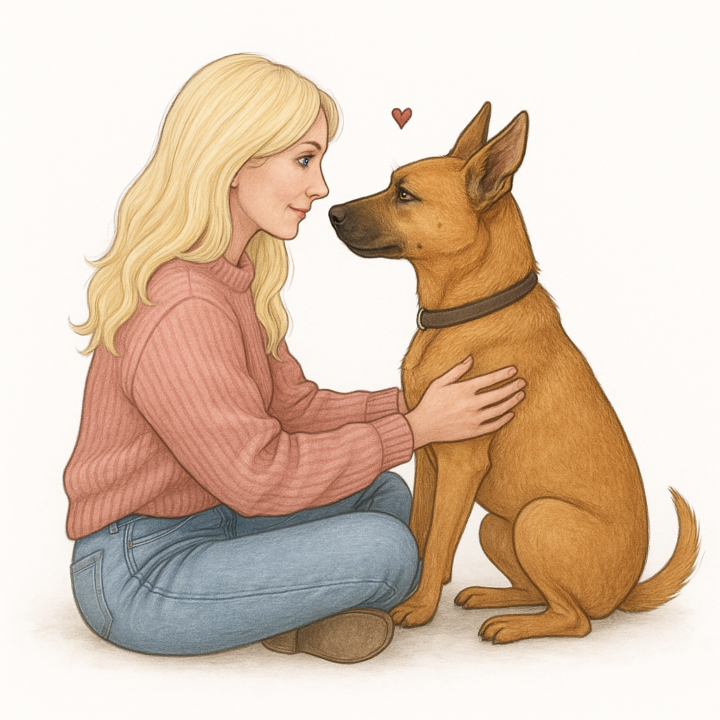
Most people are not looking for obedience tips.They are trying to understand why their dog is struggling. Instead, they end up lost in late night Google searches, conflicting advice, and outdated behaviour information that leaves them feeling even more overwhelmed. So I built Ask AI Lauren. A welfare first behaviour support assistant trained on 15 years of real world behaviour cases and professional consulting experience. Designed to help people better understand behaviour through an ethical, evidence informed lens. No fear. No shame. No quick fixes. Just clearer understanding, calmer guidance, and support that considers the whole dog. https://stan.store/canineconversationsperth/p/pro-hub-assistant
1 like • 15d
@Tanya Pink hello 🐾 this is a once off, thanks for asking, I’ll make sure it’s explained better.
22d •
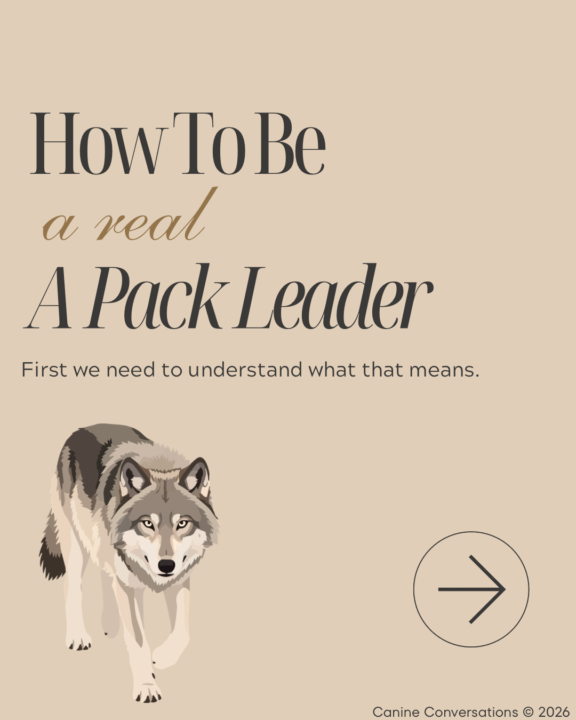
The Pack Leader
Dominance is one of the most misunderstood words in dog behaviour. Not because social influence does not exist. But because the term is often used to explain every difficult behaviour. Dominance is not fear. It is not anxiety. It is not aggression. Aggression is aggression. Dominance, through an applied ethology lens, is better understood as influence over access to resources. And importantly: that influence is fluid. One dog may move another away from the couch because they are resting. Later, the other dog may control access to dropped food. Another may defer entirely in different contexts. That is social negotiation. Not “trying to take over the household.” Dogs are also captive domesticated animals. Humans control almost all major resources: • Food • Space • Movement • Access • Resting areas • Social opportunities Which means relationships and resource access are constantly shifting depending on: • Context • Value • Emotional state • Reinforcement history • Environment Fluid social influence reduces conflict. Oversimplifying behaviour into: “the dog is dominant” often stops people from looking at what is actually happening in front of them. Good behaviour work asks: “What is influencing this behaviour right now?” Not: “How do I overpower the dog?”
1
0
27d •
Should we distract our dogs?
Are we using distraction or disengagement? These two concepts are often used interchangeably but in behaviour modification they serve very different purposes and choosing the wrong one at the wrong moment can significantly impact progress. Distraction may help a dog cope before they move over threshold. Disengagement involves the dog noticing a trigger, and shifting attention away while remaining emotionally capable of processing the environment. The skill is knowing which one to use and when. That comes down to reading emotional state, threshold, environmental pressure, and whether learning is actually accessible in that moment. Sometimes the safest and most therapeutic decision is not continuing exposure at all but instead creating distance and helping the nervous system recover. This is one of the biggest decision making areas I see trainers and behaviour professionals struggle with in fear, anxiety, and reactivity cases.
2
0
May 18 •
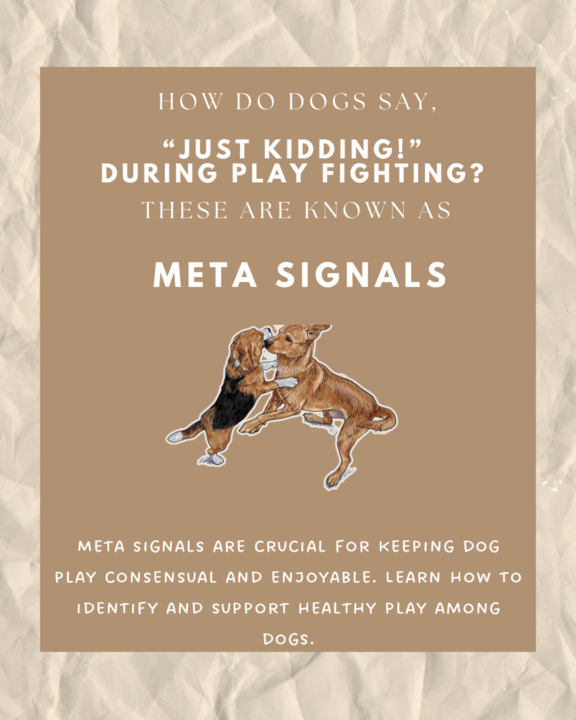
Dog Play - What are Meta Signals ?
Dog play can look alarming if you do not know what you are looking for. The biting. The chasing. The wrestling. The noise. From the outside, it can be genuinely hard to tell what is happening and whether you should step in. But dogs have a sophisticated communication system for exactly this. They use what are known as meta signals. Body language cues that help communicate intent during play. Signals that say, clearly: “This is still play.” A play bow before a chase. A gentle paw placed on another dog. Exaggerated, bouncy movement that looks very different from how a dog moves when they feel genuinely threatened. These signals help keep play safe, readable, and mutually enjoyable. When those signals break down, are ignored, or are not understood, play can begin to shift into something more overwhelming. Swipe through to better understand what your dog may be communicating, what to watch for when interactions change, and why “letting them work it out” is never the answer. Save this one. It is the kind of information worth coming back to.
Apr 12 •
Affective Aggression
You didn’t see it coming. You weren’t supposed to. We share our lives with a captive animal. That’s the reality. An animal with natural behavioural patterns we don’t fully control and don’t always fully understand. That doesn’t make them dangerous. But it does mean we need to take responsibility for the environments we place them in and the behaviours we allow them to practise. Because we don’t always know what experience might awaken something natural. And once a pattern begins, it becomes something the dog will seek. This is where risk develops. Not from intent but from experience. Chasing wildlife, focusing on movement, rehearsing parts of the sequence all strengthen the behaviour over time. So the focus isn’t just on stopping behaviour in the moment. It’s about awareness. Avoid repeated chasing. Pay attention to early focus and interest. Be thoughtful about exposure to fast movement, smaller animals, and unpredictable environments. Not to create fear. But to build awareness earlier. Because the goal isn’t to remove behaviour. It’s to manage it responsibly.
0
0

1-10 of 37
@lauren-lane-8490
Canine behaviour consultant specialising in aggression and complex cases. Supporting guardians and mentoring trainers in ethical behaviour practice.
Active 2h ago
Joined Jul 21, 2025
INFJ
perth