
Write something
Pinned
Pinned
Aug '25 •
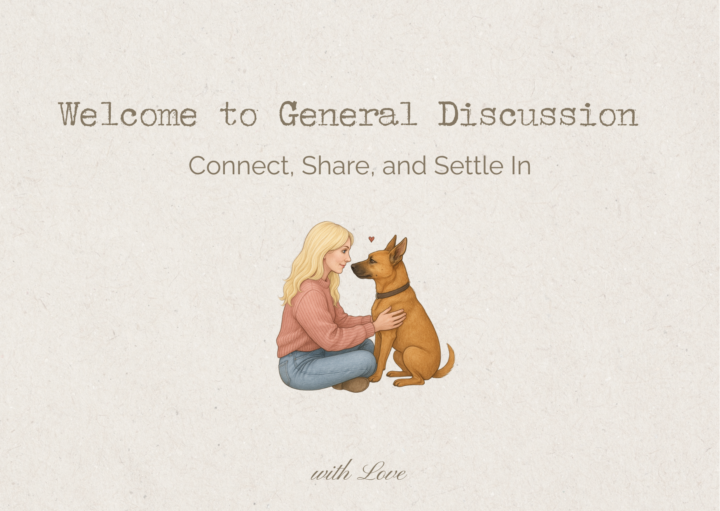
Welcome to General Discussion – Start Here!
This community is designed for guardians, behaviour students and professionals who want to develop a deeper understanding of complex canine behaviour, particularly aggression and high-stress behavioural presentations. Inside this hub we explore behaviour beyond simple labels, looking at the many factors that influence the dog in front of us. Here you will find: • Behaviour case studies breaking down real situations from consultation, to plans and sessions. • Discussions exploring the emotional and neurological drivers behind behaviour. • Conversations about genetics, early development and environmental influences. • Practical frameworks for analysing behaviour in the dog in front of you. • Ready-to-use templates and tools that support behaviour work in the real world. The goal of this space is not quick fixes or generic advice. Instead, the focus is on helping members develop a deeper understanding of behaviour so that decisions about training and support are informed by science, welfare and careful observation.
Jul 13 •
Not all enrichment meets the same need.
A stuffed Kong may help one dog settle. Another dog may need to search, carry, dig, chase, monitor, control movement, or simply have more choice. This is why breed and genetics matter. Not because they explain everything. But because they give us clues. When we meet the need underneath the behaviour, we often reduce the struggle around it. Save this for your next enrichment idea. 🐕 If understanding the dog comes before changing behaviour, The Professional Hub was built for you.
1
0

May 26 •
Ask AI Lauren | Behaviour Assistant
Most people are not looking for obedience tips.They are trying to understand why their dog is struggling. Instead, they end up lost in late night Google searches, conflicting advice, and outdated behaviour information that leaves them feeling even more overwhelmed. So I built Ask AI Lauren. A welfare first behaviour support assistant trained on 15 years of real world behaviour cases and professional consulting experience. Designed to help people better understand behaviour through an ethical, evidence informed lens. No fear. No shame. No quick fixes. Just clearer understanding, calmer guidance, and support that considers the whole dog. https://stan.store/canineconversationsperth/p/pro-hub-assistant
May 26 •
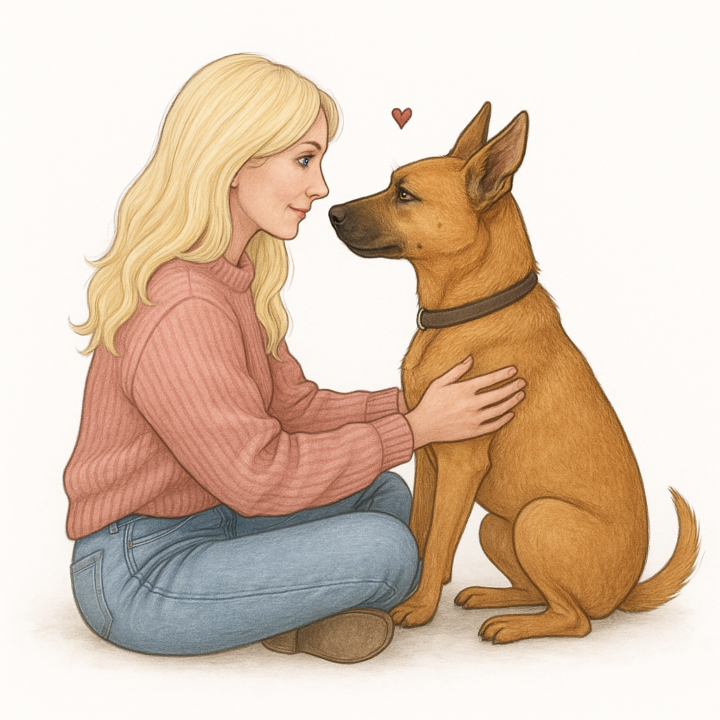
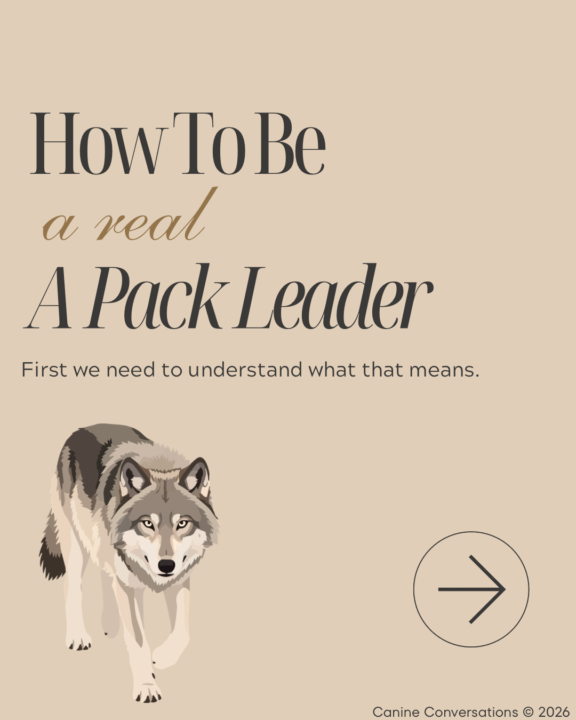
The Pack Leader
Dominance is one of the most misunderstood words in dog behaviour. Not because social influence does not exist. But because the term is often used to explain every difficult behaviour. Dominance is not fear. It is not anxiety. It is not aggression. Aggression is aggression. Dominance, through an applied ethology lens, is better understood as influence over access to resources. And importantly: that influence is fluid. One dog may move another away from the couch because they are resting. Later, the other dog may control access to dropped food. Another may defer entirely in different contexts. That is social negotiation. Not “trying to take over the household.” Dogs are also captive domesticated animals. Humans control almost all major resources: • Food • Space • Movement • Access • Resting areas • Social opportunities Which means relationships and resource access are constantly shifting depending on: • Context • Value • Emotional state • Reinforcement history • Environment Fluid social influence reduces conflict. Oversimplifying behaviour into: “the dog is dominant” often stops people from looking at what is actually happening in front of them. Good behaviour work asks: “What is influencing this behaviour right now?” Not: “How do I overpower the dog?”
1
0
1-30 of 38
powered by
skool.com/canine-conversations-5016
A learning hub for guardians and trainers exploring canine aggression and complex behaviour through ethical, science-based discussion and education.
Suggested communities
Powered by