User
Write something
Meet Tony Huge LIVE is happening in 39 hours
Pinned
🚀 Community Builder Challenge: Invite 3 & Unlock Exclusive Rewards
Want to help build the strongest Human Optimization Community on Skool? Know someone who's passionate about: 💪 Building muscle 🧬 Longevity ⚡ Biohacking 📈 Performance optimization 🩸 Bloodwork analysis Invite them to join the community! To qualify, your referrals must: ✅ Join the Skool community ✅ Introduce themselves ✅ Be genuinely interested in learning and participating 🎁 Invite 3 Members & You'll Unlock: 📘 The Bloodwork Decoder (exclusive) - Learn how to read your bloodwork like an expert and understand the key markers that matter for performance, recovery, and long-term health. 🎤 Priority Q&A - Your questions go to the front of the queue during Tony's scheduled livestreams. ⭐ VIP Community Builder Recognition - Get the VIP badge and you'll be recognized as one of the members helping grow the Human Evolution movement. 📩 How to Claim Your Rewards: 1️⃣ Invite 3 people to join the community. 2️⃣ Have each person send me a direct message with: "Invited by @YourName" 3️⃣ Once all 3 referrals are verified, I'll send you: - 📘 The Bloodwork Decoder (exclusive) - 🎤 Priority Q&A access - ⭐ VIP Community Builder recognition
Pinned
🔥 Cheat Sheet Alert! 🔥
FREE stuff just dropped in the Classroom section! 💥 💡 Unlock your edge—download ALL the guides now. 📥 Tap the link and grab yours here
Pinned
Welcome! READ FIRST: Community Guidelines
Let's get to know each other! Comment below sharing where you are in the world. Introduce yourself and READ FIRST: Community Guidelines below. Here’s how we grow and crush goals together with our Community Guidelines: 1️⃣ Respect the Grind: Support each other’s journey. No trolling or negativity—this is a space to grow, connect, and crush your goals. 2️⃣ Bring Value, Get Value: Share insights, ask questions, and engage actively. The more you contribute, the more we all level up. 3️⃣ Share the Origin: When joining, let us know: How did you find this community? We're all about connections and stories—your input matters! 4️⃣ Focus on Growth Together: This space is for learning, sharing, and mutual growth. Let’s keep the focus on collaboration and leave self-promotion at the door. 5️⃣ Share Your Goals: Tell us what you’re working on and what you want to achieve. Let’s support each other in reaching those next-level goals! 6️⃣ No Sourcetalk: This group is powered by our trusted source. Please avoid discussing other websites, as we can't vouch for their quality or legitimacy. Check the exclusive source on my Classroom section 🚨 Rule Breakers Beware: Not following the rules? You’re out! 💪 Ready to build, grow, and WIN together? 📚 Don’t forget to check the Classroom Tab to kickstart your journey! Let’s crush it! Remember to follow and support all my channels are you never know when it gets deleted.
Welcome! READ FIRST: Community Guidelines
How do you decide if a peptide resource is actually trustworthy?
I've been reading more papers lately and realized that understanding peptides isn't actually the hard part—figuring out which information is reliable is. Some websites make everything sound revolutionary, while others only quote studies without explaining what they actually mean. Then there are resources that seem educational until you notice they're making claims with no references at all. When you're researching a peptide, what makes you think, "Okay, this is probably a trustworthy source"? I'm interested in hearing how everyone here separates solid educational content from marketing. Has your approach changed over time?
0
0
I spent weeks synthesising the BPC-157 research literature into plain English. Here's what I discovered.
BPC-157 comes up constantly in sourcing discussions — but the mechanism and research behind it rarely gets explained properly. I went through the published literature to build a proper reference and wanted to share what it actually says. What BPC-157 actually is: It's a synthetic pentadecapeptide (15 amino acids) derived from a sequence found in human gastric juice. First isolated at the University of Zagreb in the 1990s. It's been studied consistently since then - a 2026 bibliometric review noted a clear upward trend in publications from 2010 through 2025, spanning musculoskeletal, gastrointestinal, and neurovascular research. Almost all of this research is preclinical. Rodent models, primarily. Keep that in mind. Why it works across so many tissue types - the actual mechanisms: Most forum discussions treat BPC-157 like a magic recovery compound without explaining why it does what it does. The research points to four overlapping mechanisms: 1. Angiogenesis - BPC-157 upregulates VEGFR2 and promotes new blood vessel formation in injured tissue. This is probably its most important mechanism. Tendons and ligaments have terrible blood supply naturally - that's why they heal slowly. BPC-157 improves the delivery system. 2. FAK-paxillin pathway activation - A 2010 study in the Journal of Physiology found BPC-157 activates this signalling pathway, which drives cell migration and survival. In tendon research specifically: it significantly accelerated fibroblast outgrowth from tendon explants and improved cell survival under stress. 3. GH receptor upregulation - Research in the Journal of Orthopaedic Research found BPC-157 increases growth hormone receptor expression in tendon fibroblasts. It sensitizes tissue to GH. This is why it stacks mechanistically well with GH-releasing peptides. 4. Nitric oxide modulation - It counteracts NO's damaging actions while preserving protective functions. This contributes to the cytoprotective effects across multiple organ systems. What the research actually shows by tissue:
0
0
1-30 of 2,180
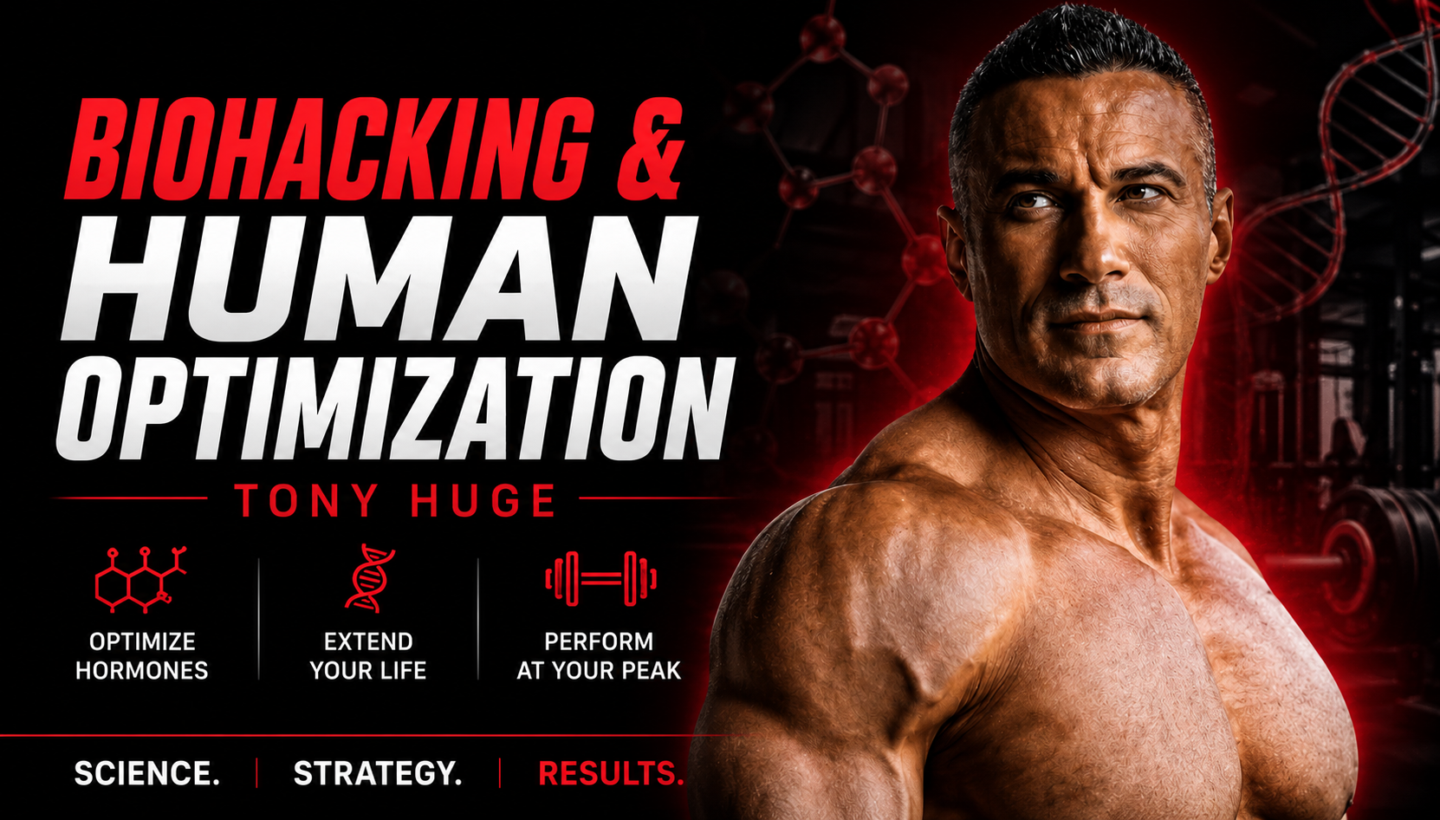
BIOHACKING | TONY HUGE
skool.com/biohacking-tony-huge
The #1 community for biohackers, TRT users & peptide protocols. Learn hormone optimization, longevity, and performance enhancement from Tony Huge.
Leaderboard (30-day)
Powered by