
Write something

1d •
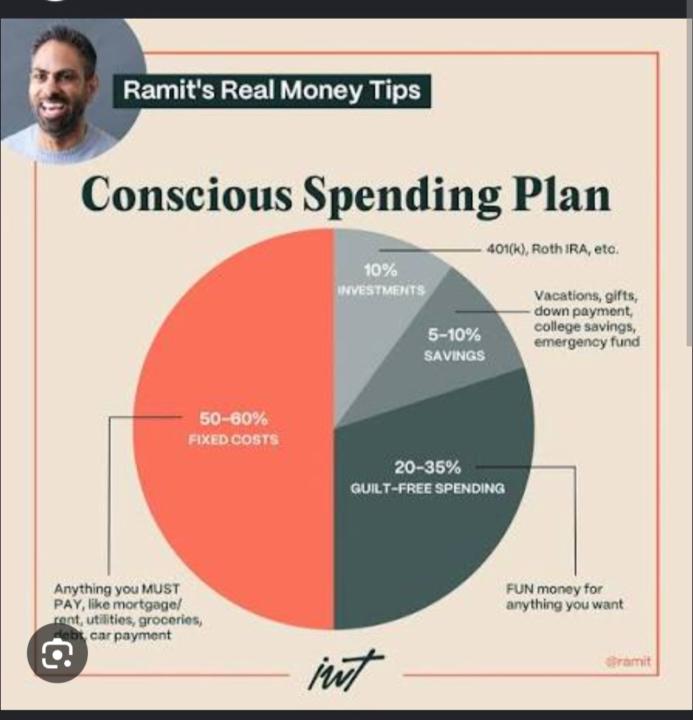
Conscious Spending Plan by Remit Sethi
Hey there. Here is Ramit Sethi's conscious spending plan. Its a bit of a different method, and IMO you have to have extra money in your budget to have guilt free spending. But overall its much like the 50/30/20 plans out there.
0
0
10d •
Quantum Vibrations and 4th Dimention. Solid explaination.
Here is a great video, very much like Joe Dispensa but a more solid, concise way. Love it. Quantum entanglement. Listen and take it in, its a great view of how to bring the future to you.
0
0
Mar 22 •
California to mandate financial education in high school.
https://x.com/i/status/2035405182948045229
0
0

Feb 25 •
Autopilot AI - Today I got into the Grok trade
So excited. Today was a huge day for me! I used my side hustle money to get into the Grok folder. $1K and then I'm going to use the other $2K to pay off my Capital One old credit card. Best use of my money ever! But I have to then run without those funds in case of an emergency. But my higher knowledge knows this is the best path. Wisdom + action = success. :)
0
0

Feb 24 •
Joined Autopilot AI ap today!!!
Today I joined Autopilot AI for some investing. Super cool to try. Lets see if I can get a better return than dividend investing. The app automatically adjusts your stock holdings as needed. No more trading or option selling. And you can get a 60% ROI then compound it every year. Snowball fast ball. :) Feel free to give it a try. https://www.joinautopilot.com/landing
0
0

1-16 of 16
powered by
skool.com/bad-ass-budget-7959
Personal financial budgeting course. Unique. Transformative. Simple 1- page method. No spreadsheets. Positive money mindset.
Suggested communities
Powered by