
2d •
Major Announcement
I have something exciting to share. 💜 I'm one of the contributors in the 𝗖𝗼𝗺𝗺𝘂𝗻𝗶𝘁𝘆 𝘁𝗼 𝗖𝗮𝘀𝗵𝗳𝗹𝗼𝘄 𝗕𝘂𝗻𝗱𝗹𝗲 — a free collection of tools, trainings, and resources created for midlife women who are building something of their own. Businesses, communities, brands, offers, next chapters. It runs 𝗝𝘂𝗹𝘆 𝟮𝟳–𝟯𝟭. Here's what I love about it: it's over 100 women who get it. Who know that starting (or restarting) something in midlife isn't about hustling harder or having it all figured out. It's about taking the next honest step — with the time, energy, and life you actually have. My contribution is my 𝗠𝗶𝗱𝗹𝗶𝗳𝗲 𝗠𝗼𝗺𝗲𝗻𝘁𝘂𝗺 𝗠𝗮𝗽𝗽𝗲𝗿 — a little tool I made to help you take all those ideas, skills, and passions swirling around in your head and turn them into one clear next step. No giant business plan. No overwhelm. Just, "𝒐𝒌𝒂𝒚 — 𝒉𝒆𝒓𝒆'𝒔 𝒘𝒉𝒂𝒕 𝑰 𝒅𝒐 𝒏𝒆𝒙𝒕." I'll share more soon. For now, save the dates: 𝗝𝘂𝗹𝘆 𝟮𝟳–𝟯𝟭, and keep an eye out for the link. 🌿 Small steps lead to big transformations. April Joy 💜🌹 Stay positive and kind.

May 29 •
Come a Long Way
Here is a song that I wrote with chat and Suno! I simply told chat what I wanted to say, how I wanted the the song to sound. I copied it into Suno and let Suno do it's thing. I am so happy with the result. My theme song!

Jun 5 •
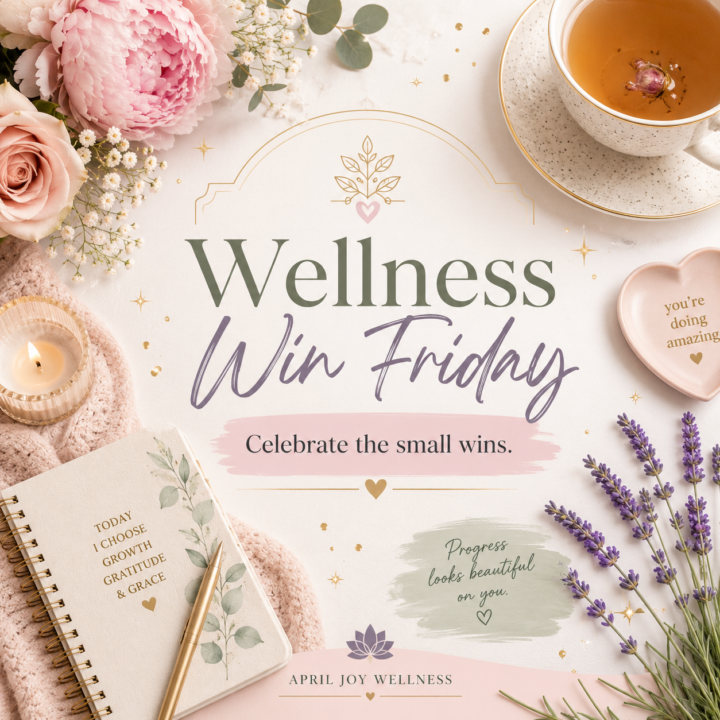
Wellness Win Friday 🌿✨
Sweet friends, we made it to Friday. And I’ll be honest — this week did not go exactly as planned. I had planned to do 𝗧𝗲𝗮 & 𝗧𝗮𝗹𝗸 this morning, but I’m moving that to tomorrow morning for our usual monthly Tea & Talk. Between all the new online business pieces, Skool updates, Beacons products, printables, apps, and trying to keep everything organized… I realized I needed a little grace too. And that feels like the perfect reminder for today. 𝐀 𝐰𝐞𝐥𝐥𝐧𝐞𝐬𝐬 𝐰𝐢𝐧 𝐝𝐨𝐞𝐬 𝐧𝐨𝐭 𝐡𝐚𝐯𝐞 𝐭𝐨 𝐦𝐞𝐚𝐧 𝐞𝐯𝐞𝐫𝐲𝐭𝐡𝐢𝐧𝐠 𝐰𝐞𝐧𝐭 𝐩𝐞𝐫𝐟𝐞𝐜𝐭𝐥𝐲. Sometimes the win is: 🌿 adjusting the plan instead of quitting 💜 giving yourself grace when life gets busy 📖 creating something helpful 🫖 showing up in a small way ✨ learning as you go 🌸 choosing progress over pressure 🦋 simply making it through the week So today, let’s celebrate the small wins. Not the polished wins. Not the perfect wins. The real ones. For me, one win this week is that I kept showing up, even if the schedule needed adjusting. 𝗬𝗼𝘂𝗿 𝘁𝘂𝗿𝗻: What is one small win from your week? Small steps lead to big transformations. 𝓐𝓹𝓻𝓲𝓵 𝓙𝓸𝔂 💜🌹 Stay positive and kind.
May 22 •
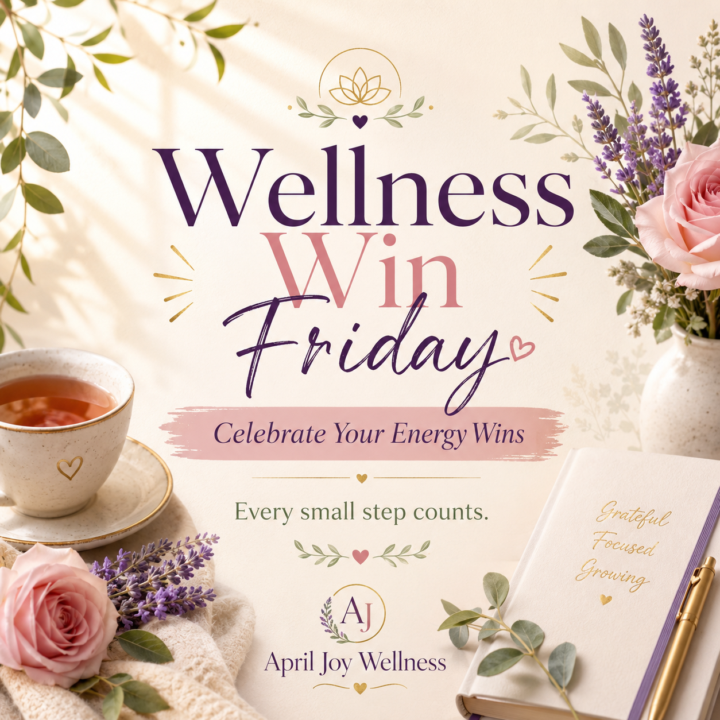
Wellness Win Friday: Celebrate Your Energy Wins 🌿✨
Sweet friends, we made it to Friday. Before we run straight into the weekend, let’s pause for a minute and give ourselves credit. This week, we talked about 𝗲𝗻𝗲𝗿𝗴𝘆, 𝗿𝗵𝘆𝘁𝗵𝗺, 𝗮𝗻𝗱 𝗴𝗲𝗻𝘁𝗹𝗲 𝘀𝘂𝗽𝗽𝗼𝗿𝘁. We checked in with what kind of energy we actually needed. We talked about steady energy instead of forced energy. We made space for tea, journaling, reflection, and little acts of care. And maybe most importantly, we reminded ourselves that our energy is information. It is not something to judge. It is something to listen to. So today, let’s celebrate the wins. Not only the big ones. Not only the ones other people noticed. The quiet ones count too. 𝗠𝗮𝘆𝗯𝗲 𝘆𝗼𝘂𝗿 𝘄𝗲𝗹𝗹𝗻𝗲𝘀𝘀 𝘄𝗶𝗻 𝘁𝗵𝗶𝘀 𝘄𝗲𝗲𝗸 𝘄𝗮𝘀 🌿 You noticed what was draining your energy 🫖 You made tea instead of pushing through 📖 You used one of the journal pages 💧 You drank more water 💜 You gave yourself permission to rest ✨ You chose one small step instead of overwhelming yourself ☀️ You got outside for a few minutes 🥗 You made a simple meal 🤫 You protected your peace 🌸 You showed up for Journal & Joy 🌱 You listened to your body with a little more kindness Sometimes wellness is not about doing more. Sometimes it is realizing, “𝑰 𝒏𝒆𝒆𝒅 𝒕𝒐 𝒔𝒍𝒐𝒘 𝒅𝒐𝒘𝒏.” Sometimes it is choosing water before another cup of coffee. Sometimes it is saying no. Sometimes it is taking a breath before you answer. Sometimes it is letting one thing be good enough. 𝗧𝗶𝗻𝘆 𝘀𝘁𝗶𝗹𝗹 𝗰𝗼𝘂𝗻𝘁𝘀. Today, I want you to name one small win from your week. It can be messy. It can be simple. It can be something nobody else saw. If it supported you, it counts. 𝗬𝗼𝘂𝗿 𝘁𝘂𝗿𝗻: What is one small energy or wellness win from your week? Small steps lead to big transformations. 𝓐𝓹𝓻𝓲𝓵 𝓙𝓸𝔂 💜🌹 Stay positive and kind.
May 21 •
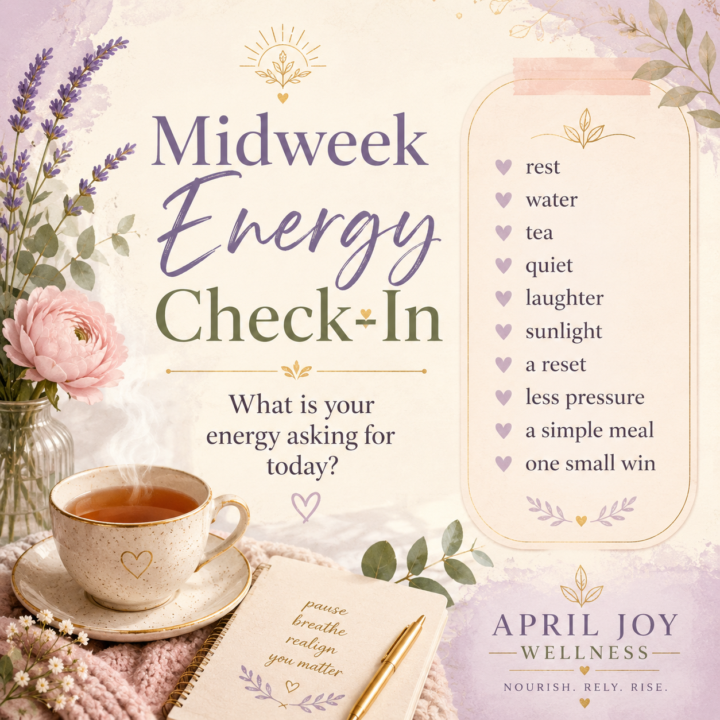
Midweek Energy Check-In 🌿✨
Sweet friends, we’ve made it to the middle of the week, so let’s pause and check in with our energy. Not to judge it. Not to fix everything. Not to add more pressure. Just to notice. This week, we’ve been talking about 𝗲𝗻𝗲𝗿𝗴𝘆, 𝗿𝗵𝘆𝘁𝗵𝗺, 𝗮𝗻𝗱 𝗴𝗲𝗻𝘁𝗹𝗲 𝘀𝘂𝗽𝗽𝗼𝗿𝘁 — and sometimes the most helpful thing we can do is simply ask: 𝑾𝒉𝒂𝒕 𝒊𝒔 𝒎𝒚 𝒆𝒏𝒆𝒓𝒈𝒚 𝒂𝒔𝒌𝒊𝒏𝒈 𝒇𝒐𝒓 𝒕𝒐𝒅𝒂𝒚? Maybe your energy is asking for: 🌿 Rest 💧 Water 🫖 Tea 🤫 Quiet 😂 Laughter ☀️ Sunlight 📖 A reset 💜 Less pressure 🥗 A simple meal ✨ One small win Sometimes we think we need to push harder, but our body may be asking for something much gentler. Maybe it needs nourishment. Maybe it needs a boundary. Maybe it needs a pause. Maybe it needs movement. Maybe it needs comfort. Maybe it needs permission to slow down. Your energy is not something to fight against. It is something to listen to. So today, take a breath and ask yourself: What would support me right now? It does not have to be big. It does not have to be impressive. It just has to be kind and doable. If you’ve used one of this week’s pages, I’d love to hear which one supported you: Energy Awareness Journal Page Steady Energy Tea Reflection Page Gentle Reflection Page Your turn: What is your energy asking for today? Drop one word in the comments — rest, water, tea, quiet, laughter, sunlight, reset, less pressure, a simple meal, or something else. Small steps lead to big transformations. 𝓐𝓹𝓻𝓲𝓵 𝓙𝓸𝔂 💜🌹 Stay positive and kind.
1-30 of 43
powered by
skool.com/april-joy-wellness-8257
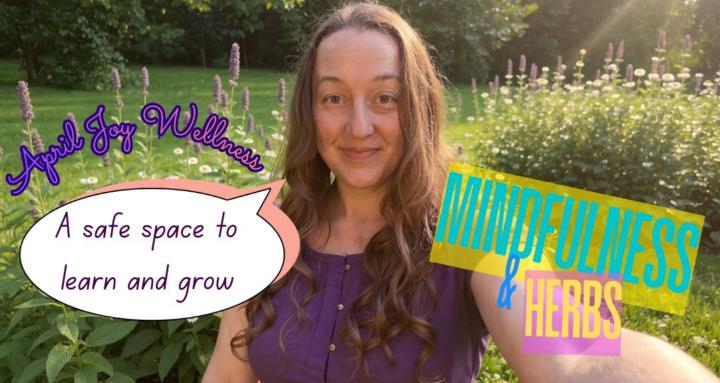
Natural wellness for real life! Herbs, mindfulness & supportive community for women who want to feel better without the overwhelm 💜🌹
Suggested communities
Powered by