
Pinned

💎
⭐
21h •
ANNOUNCING: What's working in AI in 2026 (real projects, real revenue)
Quick news. We're doing our first virtual event, and the rule is simple: every person on stage has to show their actual work. The actual projects they're selling. The actual outreach they're using to land clients. The actual numbers behind it. No theory. No tutorials. Just what's working in 2026, taught by the people doing it. Waitlist's open. Get on it before tickets go live: -> What's working in AI in 2026 (real projects, real revenue) PS: Annual members of AIS+ get in for free. We will be announcing discounts for monthly members. If you’ve been thinking about joining AIS+, it’s a good time.
Pinned
💎
⭐
1d •
🚀New Video: Every Level of Claude Explained in 21 Minutes
I've spent over 400 hours inside Claude, and I'm breaking down exactly what separates someone stuck on level 1 from someone running five parallel sessions while they sleep, with the cheat codes to jump between each stage. Hope you enjoy!
Pinned
💎
⭐
5d •
Cape Town AI Mastermind: Behind the Scenes
In February, I spent a week in Cape Town, SA with some of the top AI entrepreneurs in the space for a mastermind. We had hundreds of community members join us. I met some amazing people and left feeling so energized and inspired. Which is why I've been uploading almost daily lately, haha! Anyways, just dropped a behind the scenes vlog if you're interested in checking it out. AIS is planning on doing big events and meetups regularly, so if this trip looked like fun, stay tuned for events in the future!

3m •
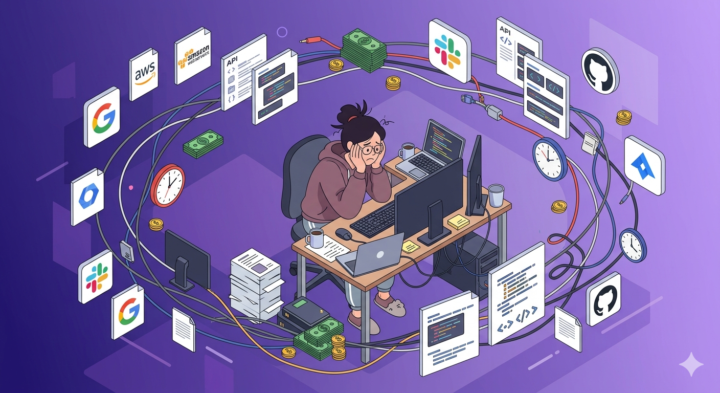
I quoted a "straightforward build." It wasn't.
This is something most freelancers go through, especially in the early days. A project comes in. The core tool is familiar, maybe Make.com, maybe n8n, maybe something else. But the client's stack includes a platform they've never touched. Poor docs, barely any community support. They take it on anyway because the money is there and they want to prove they can deliver. And the problems that follow are sneaky, because they don't look like mistakes at first. They look like hustle. → Discovery risk. They didn't know what they didn't know. The tool behaves differently than expected, edge cases surface mid-build, and they're making changes on the fly. This isn't the client moving the goalposts. This is the freelancer underestimating complexity because the tool was unfamiliar. But from the outside, it looks like poor planning. → Pricing mismatch. They quoted it as a straightforward build because they're already an expert in the main automation tool. But the unfamiliar pieces eat up hours that were never accounted for. Now they're either eating the cost quietly or having an uncomfortable renegotiation conversation that chips away at trust. → Bleeding timeline. They're learning as they go. Delivery slips. The client starts checking in more often. Confidence drops. And the worst part is they can't explain why it's taking long without admitting they're learning on the client's dime. → Opportunity cost. This is the one nobody talks about. While they're spending weeks buried in a poorly documented platform for one client, they could have delivered two or three projects confidently in their comfort zone. They didn't just underprice one project. They gave up the revenue from the projects they didn't take. Now, there's a real counterargument. Early on, taking unfamiliar-stack projects IS how freelancers build range. Getting paid to learn has real value. But this strategy has diminishing returns. At some point, the learning premium stops justifying the delivery risk.
1
0

6d •
Stop Trying to Fully Automate Instagram (This Is Why You’re Stuck)
Most people overcomplicate Instagram automation… and that’s exactly why they don’t stay consistent. The truth is, you don’t need 10 tools or some crazy setup. You only need 3 things: 1. Content that’s easy to produce (AI can help you with this) 2. A simple scheduler so you’re not posting manually every day 3. A way to respond faster (DM/comment automation but keep it human) That’s it. Automation isn’t about removing yourself…It’s about removing friction so you can actually show up consistently. The people winning right now aren’t fully automated they’re just smart with their time. If you had to pick one thing slowing you down right now… Is it content, posting, or engagement?
1-30 of 16,776

skool.com/ai-automation-society
Learn to get paid for AI solutions, regardless of your background.
Leaderboard (30-day)
1

+6011
2

🔥
+5263
3

+4452
4

🔥
+2296
5

+871
Powered by