Activity
Mon
Wed
Fri
Sun
Aug
Sep
Oct
Nov
Dec
Jan
Feb
Mar
Apr
May
Jun
Jul
What is this?
Less
More
Memberships
DevsUnlocked
8 members • Free
Ai Skills Forge
109 members • Free
AI Automation Society
420.6k members • Free
2681 contributions to AI Automation Society

21h •
Claude is down
Claude is down... again? 😭 Why, Why... This is 2nd time the claude is down Anyone else getting errors, or is it just me?
🔥
0 likes • 9h
@Vishal Chopde had this problem last month 3-4 times
🔥
0 likes • 19m
@Vishal Chopde problem solved now ?

💎
⭐
Oct '24 •
Welcome! Introduce yourself + share a career goal you have 🎉
Let's get to know each other! Comment below sharing where you are in the world, a career goal you have, and something you like to do for fun. 😊
🔥
0 likes • 3h
@Hemang Shah
🔥
0 likes • 20m
@Sanela Martinkowitsch you are more then welcome 🙏

🔥
4d •
🏆 Weekly Wins Recap | June 27 – July 3
From $40K AI projects and first clients to custom CRMs, AI operating systems, and production-ready automations, another week inside AIS+ proved that consistent building keeps creating opportunities. 🚀 Standout Wins of the Week inside AIS+ 👉 @Kobe Shemesh closed a $40K upfront AI project after refining his Claude Code workflow, proving that small improvements in execution can create massive business results. 👉 @Galyn Fergerson landed her first client just 6 days into AIS+, turning a discovery call into a $750 AI OS project before even finishing the automation course. 👉 @Girish Mohan built an AI Scrum Master that now prioritizes his calendar, tasks, and deals automatically—helping him execute every day with more focus. 👉 William Rendall was promoted to AI Workstream Strategy Lead less than three months after joining AIS+, crediting the community for accelerating his growth. 👉 Diane McCracken celebrated her 100th Claude Code session at 68 years old, showing that curiosity and consistency matter far more than experience. ⸻ 🎥 Super Win Spotlight | @Ahmad Abd Alkarim Ahmad joined AIS+ with years of leadership experience but wanted a better way to turn ideas into action. Today, his custom AI Operating System helps him manage projects, analyze business problems, and support his team without slowing anyone down. His biggest lesson? Don't just watch. Build. Practice. Share what you learn. That's where the real return comes from. 🎥 Watch Ahmad's story 👇 ✨ Every week, members are turning ideas into systems, skills into businesses, and momentum into real opportunities. Step inside AI Automation Society Plus and start building assets, systems, and skills that compound 🚀

🔥
0 likes • 3h
@Edwin Colon
🔥
0 likes • 3h
@Nelson Rosado
🔥
18h •
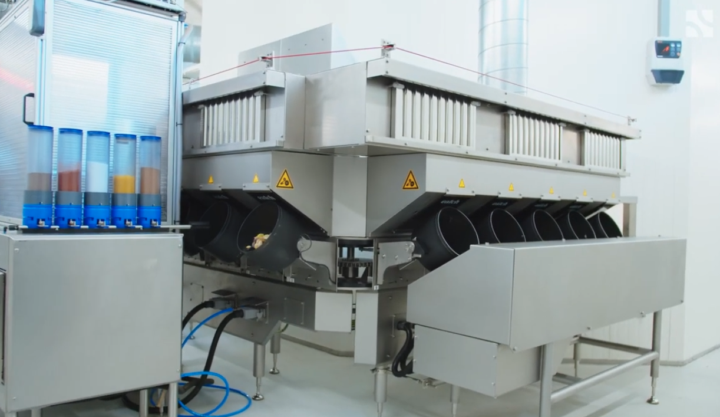
Hybrid Kitchens and Emerging Tech: Transforming F&B Operations in 2027
Tuesday 7th of July 2026, the food and beverage (F&B) industry is undergoing a profound transformation driven by the rise of hybrid kitchens, the accelerating adoption of robotics and AI, and evolving operational and workforce strategies. This edition examines the hybrid kitchen model projected for 2027, explores the market forces propelling investments in physical AI and automation, and details the advanced technology stack and operational design imperatives reshaping safe, scalable, multi-channel kitchen environments. Understanding these interconnected trends is essential for leaders aiming to harness innovation while optimizing costs, agility, and guest experience in a competitive landscape. Executive Snapshot: The Hybrid Kitchen in 2027 The hybrid kitchen concept by 2027 epitomizes a transformative approach that combines traditional kitchen operations with cloud-based, delivery-only platforms. This model maximizes space and resources by serving multiple brands or menus from a single location, thereby reducing overhead and expanding market reach. A good example is Eatch Technologies in Zaandam. For F&B leaders, hybrid kitchens deliver increased operational flexibility and agility to respond swiftly to changing consumer tastes and surging off-premise dining demand. Key implications include enhanced scalability, data-driven menu innovation, and heightened responsiveness to trends such as immersive, personalized dining experiences and wellness-focused offerings. To fully capitalize, organizations must invest in integrated technology systems that unify operational and customer data, enabling seamless coordination across brands and sales channels. These innovations are critical for maintaining a competitive edge as consumer expectations for convenience, quality, and novelty converge Forbes and Hospitality Net
🔥
1 like • 6h
@Chetan Mishra exact and that’s just one of the things I develop. I lived it so I can develop new business opportunities
🔥
0 likes • 5h
@Chetan Mishra yes if I don’t know it I have an industry expert next to me as partner

2d •
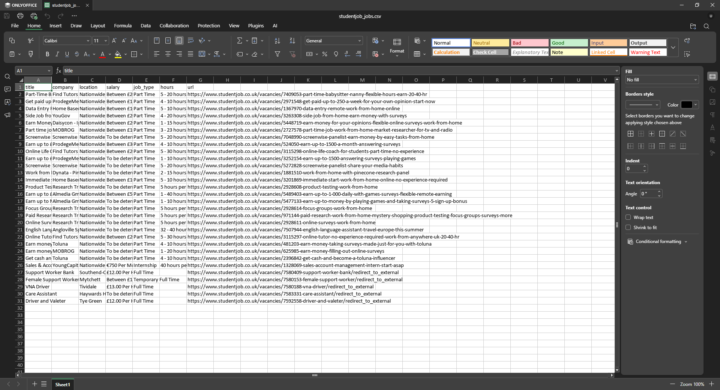
Day 2 - #AISChallenge
Hi everyone, this is my day 2 built. I scraped 30 jobs from a website. One thing I learned was using claude code on plan mode avoids a lot of problems and headaches. I can use the web scraping tool on a client or own business, a good idea would be to have a website which could aggregate discounts codes for shopping websites, products or services.
🔥
0 likes • 6h
@Jay Matate put a lot of energy in that part
🔥
1 like • 6h
@Cameo Ab see communicate about it and people will come
1-10 of 2,681
🔥
@frank-van-bokhorst-8391
Food & AI - VR Entrepreneur.
Active 16m ago
Joined Sep 16, 2025
Powered by