Activity
Mon
Wed
Fri
Sun
Mar
Apr
May
Jun
Jul
Aug
Sep
Oct
Nov
Dec
Jan
What is this?
Less
More
Memberships
Mile High Compounds Official
1.3k members • Free
Biohacking Peptide Playground
2.8k members • Free
Peptide Lab
332 members • Free
Pep Talk - For Better Health
2.5k members • Free
Project Biohacked
9.5k members • Free
Peptide Price
8.7k members • Free
Peptide Researchers
6.2k members • Free
Exploring Peptides Community
10.1k members • Free
Women's Peptide Collective
1.2k members • Free
8 contributions to Peptide Price

🔥
8d •
Question For All Frequent Traveling Researchers
For all my researchers that travel very consistently do you end up pre-loading insulin syringes or do you actually take the vials as well. Typically I've been on shorter trips so I've only pre-loaded, but let me know down below. Also drop a comment if you've ever had an issue with TSA.
Poll
88 members have voted


1 like • 8d
I fly twice a month from April-October. I have the travel cooler box which I keep my vials and pre loaded syringes in. Only twice they have had me pull it out of my bag to check the ice packs to make sure they are frozen.
🔥
10d •
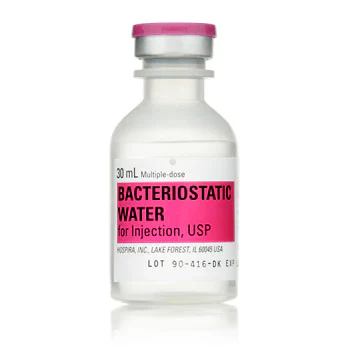
Do You Refrigerate Your Bac Water?
Please vote below and optional leave your reasoning.
Poll
363 members have voted
2 likes • 9d
How long is it good for refrigerated after puncturing?
3 likes • 9d
@Romeo Arabov thank you!

Dec '25 •
Experience with Valor Peptides
Hello everyone. i understand that Derek stands behind all the companies that are included on the site. I'd still like to ask about everyone's opinion of Valor. For reference, i recently Reta from their website and have been using it with my second dose at 2mg, and yet i barely feel a thing. Is this normal? Is Valor's Peptide somehow weaker than others? Would appreciate any feedback and hearing from people's experiences with them. Thank you!
0 likes • Dec '25
@L Peterson what vendor did you purchase from?
1 like • Dec '25
@L Peterson thank you!
🔥
Oct '25 •
🧠 Tesofensine — The Nuero Fat Burner + Appetite Suppressant❓
Daily Deep Dive: Tesofensine was originally developed for Alzheimer’s and Parkinson’s, but it ended up showing powerful fat loss effects — around 10%+ body weight reduction in 6 months in clinical trials. Here’s what’s going on under the hood 👇 ⚙️ Mechanisms of Action Tesofensine is a triple monoamine reuptake inhibitor, meaning it blocks the reuptake (or recycling) of dopamine, norepinephrine, and serotonin in the brain. That does a few key things: 🧩 1. Increased Dopamine → Motivation & Drive - Dopamine elevation boosts energy, focus, and reward signaling. - This is one reason users report more motivation to train and a general “feel-good” effect. - However, too much dopamine activity over time can lead to tolerance or burnout, so cycling or taking breaks helps. 🔥 2. Increased Norepinephrine → Fat Mobilization - Norepinephrine is your “fight or flight” hormone — it raises metabolism, heart rate, and thermogenesis. - By keeping norepinephrine elevated longer, tesofensine promotes greater lipolysis (fat breakdown) and energy expenditure even at rest. 🍽️ 3. Increased Serotonin → Appetite Suppression - Serotonin plays a major role in satiety and mood regulation. - Higher serotonin = stronger appetite control, fewer cravings, and greater satisfaction from smaller meals. - This is one of the primary reasons tesofensine works so well for weight loss — it directly reduces food intake at the brain level. ⚡ Net Effect - ↓ Appetite (stronger than phentermine) - ↑ Energy expenditure & fat oxidation - ↑ Mood, focus, and motivation - ↓ Cravings and emotional eating 🧬 Additional Notes - Tesofensine does not act like a stimulant (no direct amphetamine structure), but the neurochemical profile is similar to a mix of bupropion + phentermine + serotonin modulators. - Because it acts centrally, dosing too high can cause jitteriness, sleep disruption, or elevated blood pressure. - Common cycle length: 8–12 weeks, followed by a break to prevent receptor desensitization and dopamine depletion.

1 like • Nov '25
@Romeo Arabov I would love to do that but I haven’t found any 250mcg. 500mcg is just to much for me.
1 like • Nov '25
@Romeo Arabov thank you so much!!!

Oct '25 •
Cagri=Fatigue?
I’ve been on Reta since July…worked up to split dosing 4 mgs/week. Still losing weight, so I don’t want to change my Reta dose, but was looking for more appetite suppression. Pinned 0.25 of cagri six days ago. I am DRAGGING. Haven’t felt this fatigued since I was in the early days of pregnancy with my kids. Is this typical? Will it fade with continued use? Thanks for insights!
2 likes • Oct '25
At .25 mcg I couldn’t function all week. I will do .1 and still fatigued but so much better. 1/4 tablet of tesofensine works better for me. A whole or 1/2 tablet and I can’t sleep.
1-8 of 8

@shawna-fenwick-8787
Retired Esthetician/surgical assistant living the beach life. If you can’t find me…my husband and I must be deep sea fishing and reeling them in.
Active 22m ago
Joined Aug 31, 2025