Activity
Mon
Wed
Fri
Sun
May
Jun
Jul
Aug
Sep
Oct
Nov
Dec
Jan
Feb
Mar
Apr
What is this?
Less
More
Owned by Sara
Join a fun, supportive practice group that keeps you accountable while mastering flute fundamentals—because practice is better together! 🎶✨
We help flutists understand how to practice so they can take their playing to the next level.
Memberships
Synthesizer Scaling
267 members • $3,400/month
Achieve Greatness Accelerator
75 members • Free
Flute Forum
153 members • Free
Synthesizer: Free Skool Growth
40.8k members • Free
Skoolers
195.1k members • Free
Skool Growth (Grow on Skool)
4.9k members • Free
Flute Nerd Lab
382 members • Free
VHM Weight Loss-Perimenopause
3.5k members • Free
Fitness For Musicians
226 members • $33/month
4 contributions to Flute Forum
Feb 25 •
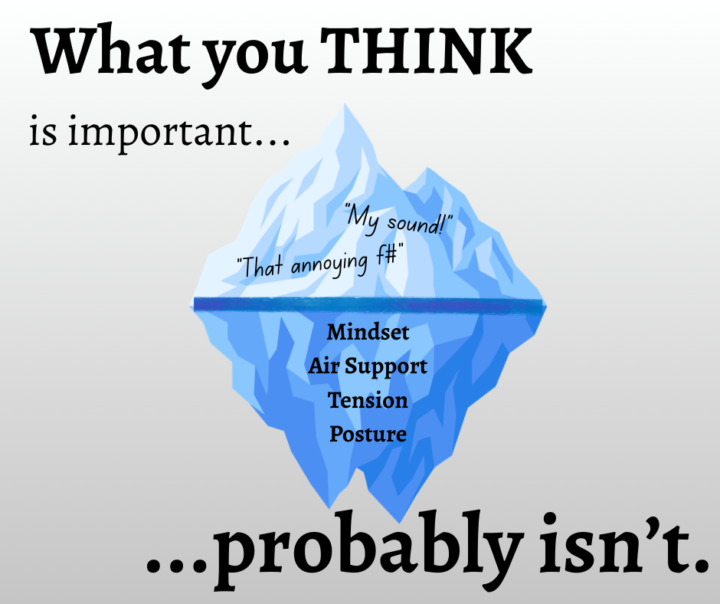
What you think is important... probably isn't.
Over the years, I’ve watched so many students fall into the same trap: obsessing over the wrong problem. “My sound isn’t clean enough in that section.” - but the real issue? The rhythms aren’t accurate. “I’m always so sharp in the high register.” -when the truth is the air support is inconsistent across the entire instrument and the “sharpness” up high is just a symptom. “My fingers just won’t move fast enough.” - when it’s actually tension (often fuelled by harsh self-criticism) that’s blocking technical freedom. “I wish I had bigger lungs so I could play longer phrases.” - when in reality, they’re leaking the precious air they do have through an inefficient embouchure… or simply playing louder than necessary. For myself, I was guilty of thinking that if I was able to play everything note perfectly that I would advance more in my career…. but all I really accomplished was adding a lot of tension to my playing. I spent 90% of my practice time drilling all of the most difficult music in the flute repertoire, hoping and praying that I’d be able to play it correctly when it came time to perform. After a 6 month period of total burnout where I didn’t play the flute at all (stemming from this horrible practice routine… lol), I picked it up with a fresh approach. I didn’t have regular lessons at that time, and decided I could become my own teacher. I purchased a little mini-disc player (now completely obsolete 😂) and started recording myself for feedback CONSTANTLY. I stopped trying to be perfect, and started getting curious: - Why were my fingers flubbing? - Why did I sound pinched in the high register? - Why didn’t I love what I was hearing? Maybe it wasn’t because I was “bad"... maybe there was a simpler explanation. When I began recording myself regularly, I discovered: - Small posture adjustments allowed me to breathe more deeply. - Finger tension was the real source of my technical inconsistency, so I created a plan to release it. - The phrasing I imagined wasn’t always what I was actually producing, so I examined how I was using dynamics, vibrato, and rubato to communicate my ideas. - Most importantly, I realized many of my “sound problems” were actually support problems. So instead of drilling isolated passages to death, I overhauled my air support.
1 like • Feb 26
@Victoria Herbert that was 100% me!!
3 likes • Feb 25
Hello everyone! I’ve been playing the flute for 32 years - 20 of them as a member of the Calgary Philharmonic Orchestra here in Canada. My Bff @Sarah MacDonald and I cofounded Green Banana Flute Studios over a decade ago and we are so excited to be on this new platform!

Feb 11 •
What Apps Are You Using to Practice?
I’m curious, what apps are actually helping you improve right now (other than a basic tuner and metronome app)? Drop the name of the app + how you use it in your practice routine. Bonus: If you’ve tried a bunch and found one you don’t recommend, tell us why!
3 likes • Feb 25
I’m so old school I don’t use any apps except I guess the camera on my phone 🤣☎️💾📼

Feb 18 •
🎉 Happy Birthday to one of our current Flute Forum Leaderboard
Members, Alexandra Petropoulos! Alexandra also runs Flute Nerd Lab — a free Skool group for flutists at any stage who are looking for a more structured, supportive approach to practice. Inside you’ll find guided practice, live workshops, and weekly challenges designed to help you stay consistent without shame or gatekeeping. Optional upgrades are available for those who would like one-on-one support or performance opportunities. You can learn more here: https://www.skool.com/flute-nerd-lab/about
4 likes • Feb 18
YAY! Happy Birthday @Alexandra Petropoulos!!!
1-4 of 4
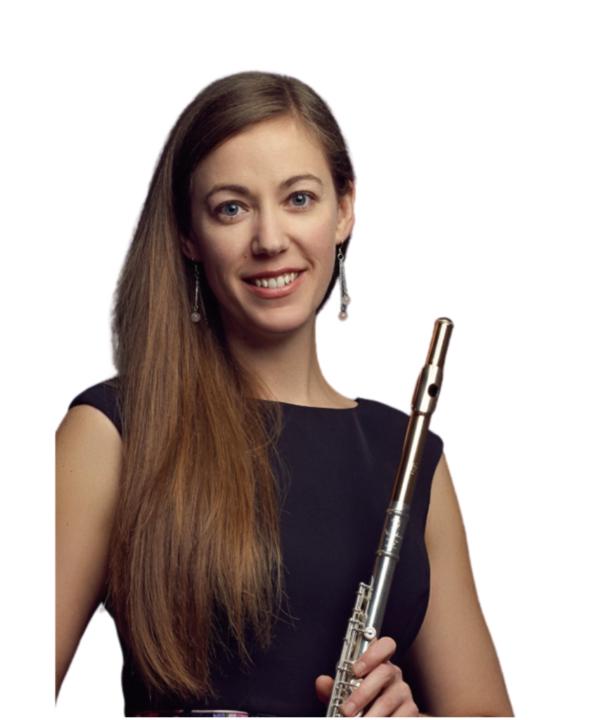
@sara-hahn-scinocco-6698
🎶 Professional flute player, helping experienced flutists gain professional level skills in order to perform with confidence 🎶
Active 13m ago
Joined Jan 13, 2026
Canada
Powered by