Activity
Mon
Wed
Fri
Sun
Jun
Jul
Aug
Sep
Oct
Nov
Dec
Jan
Feb
Mar
Apr
May
What is this?
Less
More
Owned by Rhonda
A strategic lab for leaders to build clarity, systems, and sound decisions—without chaos, burnout, or overcomplication.
A structured discipleship rhythm for Christian women ready to turn faith into consistent, lived obedience.
Memberships
Monetize the Mic
204 members • Free
Email Summit 2026
1.5k members • Free
Your First $5k Club w/ARLAN
28.8k members • Free
Speak Your Way To Cash
3.1k members • Free
4 contributions to Speak Your Way To Cash

Feb 26 •
Don’t Just Tell the Story. Own the Building.
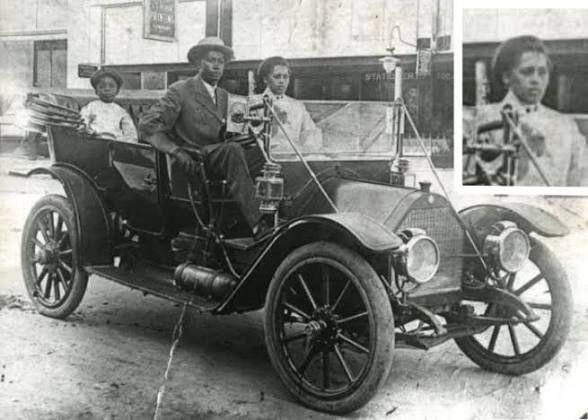
Hollywood is fighting over whether “Black Wall Street” should be a movie. Loula Williams built the theater. While studios debate how to package Tulsa for streaming, I’m thinking about the Black woman who ran one of its brightest screens before the massacre ever made headlines. Welcome to Day 25 of Deleted History — 28 Black women millionaires and leaders they prayed you would never Google. Her name was Loula Williams. She didn’t start as a mogul. She started as a teacher. ➤ She kept her day job in Arkansas ➤ Moved with her husband John to Tulsa’s Greenwood district as it was just becoming Black Wall Street ➤ Treated her paycheck like seed money, not a finish line First, they opened Williams Confectionery — a candy shop and soda fountain that turned into Greenwood’s social heart. Then, in 1914, Loula opened Dreamland Theatre — a 750‑seat cinema bringing first‑class entertainment to Black audiences during segregation. Most people stopped at “one successful business.” Loula built infrastructure. ➤ More Dreamland theaters in other Oklahoma towns ➤ A building that housed retail, offices for Black professionals, and her family’s home ➤ Multiple income streams stacked inside one ecosystem Then came 1921. A white mob, backed by local power, burned Greenwood to the ground. Dreamland gone. Confectionery gone. Homes and businesses wiped out. Insurance refused to pay. The city blamed the victims. History tried to skip the Black owners and jump straight to the trauma. But here’s what they rarely show you in the docudramas: Loula rebuilt. Not because the system suddenly grew a conscience. Because her system gave her options. ➤ Revenue from theaters outside Tulsa ➤ Assets beyond one block ➤ A mindset that saw business as community infrastructure, not extra cash Dreamland reopened in 1922. Same woman. New building. Same vision. That’s the part that matters in 2026: Everyone is arguing about representation on screen. Loula’s life asks a harder question:
2 likes • Feb 26
@Ashley Kirkwood I wouldn't be surprised if Tyler Perry gets wind of your production and reaches out to turn it into a movie! It could be in theaters by next February!
Jan 28 •
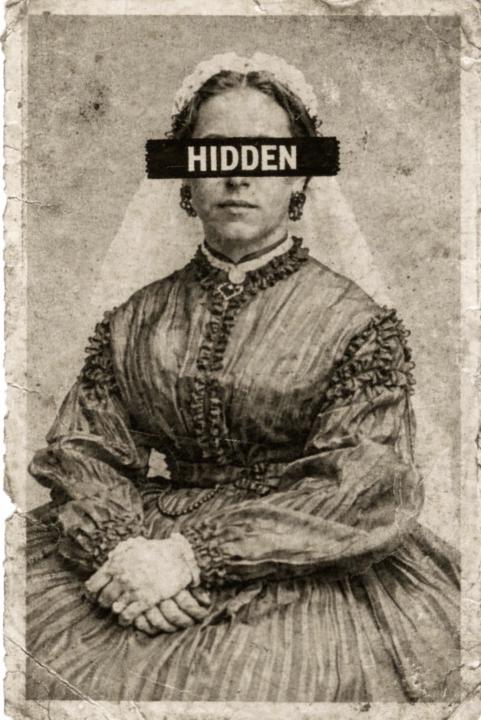
𝐇𝐞𝐫 𝐟𝐨𝐫𝐭𝐮𝐧𝐞 𝐰𝐨𝐮𝐥𝐝 𝐛𝐞 𝐰𝐨𝐫𝐭𝐡 𝐧𝐞𝐚𝐫𝐥𝐲 𝐚 𝐛𝐢𝐥𝐥𝐢𝐨𝐧 𝐝𝐨𝐥𝐥𝐚𝐫𝐬 𝐭𝐨𝐝𝐚𝐲.
She was Black. Do you know who she is? Probably not. And that's not by accident. It's by design. They erased her from the textbooks. They left her out of the "women millionaries" Google searches. They prayed you'd never find out. But I found the receipts. And I'm SNITCHING in my new series starting February 1st.... 𝐈𝐧𝐭𝐫𝐨𝐝𝐮𝐜𝐢𝐧𝐠: 𝐃𝐄𝐋𝐄𝐓𝐄𝐃 𝐇𝐈𝐒𝐓𝐎𝐑𝐘 𝟐𝟖 𝐌𝐢𝐥𝐥𝐢𝐨𝐧𝐚𝐢𝐫𝐞𝐬 𝐓𝐡𝐞𝐲 𝐏𝐫𝐚𝐲𝐞𝐝 𝐁𝐥𝐚𝐜𝐤 𝐖𝐨𝐦𝐞𝐧 𝐄𝐧𝐭𝐫𝐞𝐩𝐫𝐞𝐧𝐞𝐮𝐫𝐬 𝐖𝐨𝐮𝐥𝐝 𝐍𝐞𝐯𝐞𝐫 𝐃𝐢𝐬𝐜𝐨𝐯𝐞𝐫 Why would anyone hide this history? It's simple. When you know your history. You're harder to control. Here's what they don't want you to know: → When entrepreneurs see someone "like them" succeed, they're 48% more likely to take high-risk, high-reward business moves → People who learn their family's economic history are 24% more likely to build wealth and report 34% higher confidence than those who don't know their history You weren't taught this history. But you were taught how to hustle. So you're building your business without the blueprint your ancestors already wrote. Here's what most people miss: The systemic barriers to your wealth? They start with the barriers in your mind. The "work twice as hard for half as much" programming causes a quiet doubt that maybe we're not built for this. But what if I told you Black women cracked million-dollar sales strategies 150 years ago? What if the playbook already exists? I've spent YEARS on this. Libraries. Rare books. Four trips to Africa to learn more about where I'm from. Digging up the stories they tried to bury. Some of these names I'm revealing in this series are going to blow your mind. Every day in February: → One Black woman millionaire from before 1970 (many much earlier)→ One strategy she used that still works TODAY → One receipt that proves you come from wealth-builders Can I provide a reframe for you? Your confidence isn't broken. Your history was stolen, hidden and buried. This series gives it back. Comment "BLACK" below and I'll add you to our notification list.
0 likes • Jan 28
BLACK
Dec '25 •
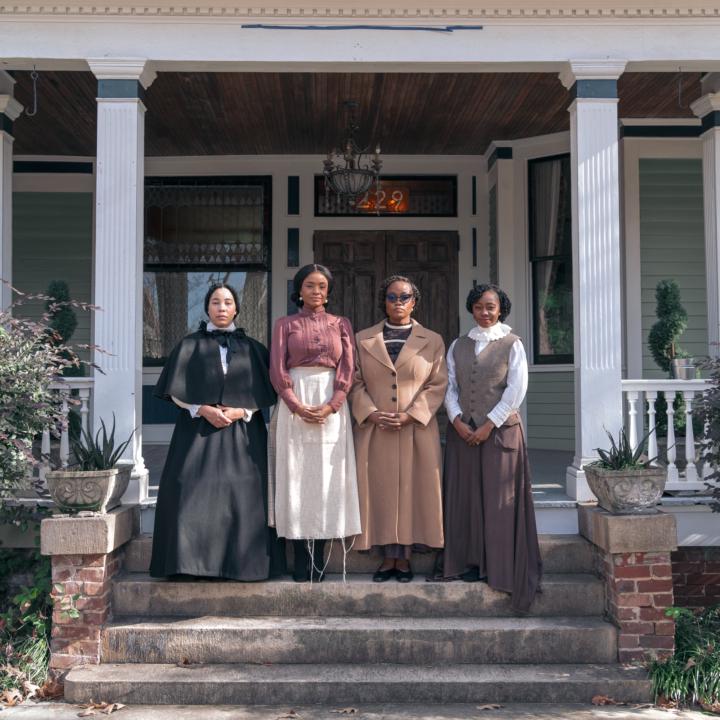
This wasn’t just a commercial shoot.
It was homage to our ancestors. As we stood here recording the 2026 Black Women Sell Live commercial, all I could think was: We are making them proud. I couldn’t help but wonder… What would Madam C.J. Walker say about the 2 million+ Black women–owned businesses operating today? What would Maggie Lena Walker say about the $98.3 billion our companies generate? What would she say about the fact that we’ve more than doubled our average annual revenue since the pandemic— even while traditional banks still hesitate to believe in our visions? What would she say about our ability to love each other, collaborate, and support one another— even in a world designed to fracture us? I don’t care what anyone says. Dedicating my life’s work to helping Black women experts rise and dominate their lanes was the best pivot I’ve ever made. Our history is RICH. Our creativity is RICH. Our love is RICH. We are all that and a bag of chips. When I wrote the script for the Black Women Sell Live commercial, I knew I couldn’t do it alone. I needed actresses to portray Madam C.J. Walker, Maggie Lena Walker, Ida B. Wells, and Mary Ellen Pleasant. I needed a full production team to bring the vision to life. I needed a director who could steward the assignment with excellence. And although I’ve written small commercial scripts before, this one was different. The first draft was 25+ pages… for a 5–10 minute commercial. Too long. But every word mattered. I had to research the figures. I had to build a narrative where the past and present collided. Some of it is fiction. Much of it is historically accurate. So who carried the vision mattered. So who did I call? A Black woman–owned production company. Of course. It’s fitting that a commercial about Black women’s economic power was built by sisters—and supported by strong men who honor that power. It’s fitting that I had to release control and trust other Black women to steward the vision. It’s fitting that this required collaboration, discernment, and trust
9 likes • Dec '25
@Ashley Kirkwood oh wow the Boss recognized me! I feel famous! 😂 😂
2 likes • Jan 13
@Nabiyah Baht Yehuda let's do this!
2 likes • Jan 3
I sure did! You were 🔥as always!
1-4 of 4
@rhonda-simmons-5448
Helping high-capacity leaders make sustainable decisions before burnout, regret, or fracture defines the outcome
Active 45d ago
Joined Jun 20, 2025
Powered by