Activity
Mon
Wed
Fri
Sun
Aug
Sep
Oct
Nov
Dec
Jan
Feb
Mar
Apr
May
Jun
Jul
What is this?
Less
More
Owned by Quinton
Led by psychiatrist, heal from depression, anxiety, bipolar disorder, and trauma. Rebuild your mind, body, and spirit for mental wellness.
Memberships
Maine Waypoint
41 members • Free
Managing Mental Health
231 members • Free
Mind Your Mental
93 members • Free
The Resilient Minds
94 members • Free
When Roses Bloom
35 members • Free
Skoolers
162.5k members • Free
DIGITAL DOCTOR™
2.5k members • Free
46 contributions to Life Reset- Quinton Moss MD

Mar 9 •
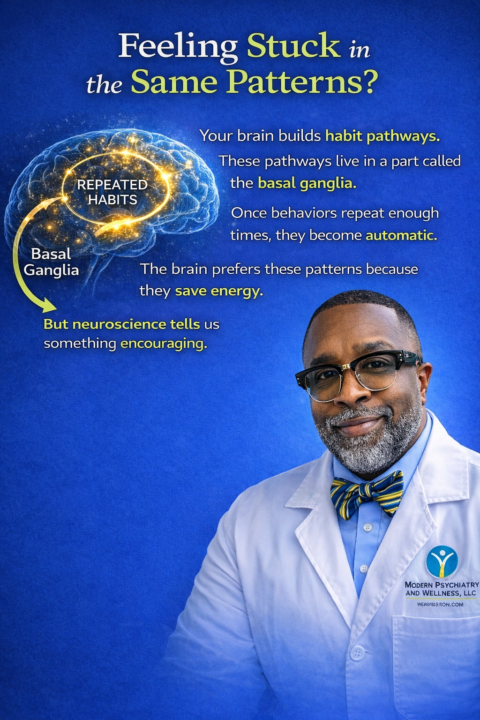
Feeling Stuck in the Same Patterns
Many people want to change but feel like they keep repeating the same habits. Your brain builds habit pathways. These pathways live in a part of the brain called the basal ganglia. Once behaviors repeat enough times, they become automatic. The brain prefers these patterns because they save energy. But neuroscience tells us something encouraging. The brain has neuroplasticity, which means it can build new pathways at any age. Scripture reflects this same idea. Romans 12:2 “Be transformed by the renewing of your mind.” Every time you make a healthier decision, even a small one, you strengthen a new neural pathway. Change is not about one big decision. It is about repeated small choices over time. What small habit are you working on this week? Encourage someone else in the community and invite a friend who wants to grow. Join the Life Reset community: https://www.skool.com/life-reset/about?ref=0ee23211e9464b0096c90118929e1ffe
2 likes • Mar 10
@Yvette Thornton yes, we are wonderfully and beautifully made
Mar 10 •
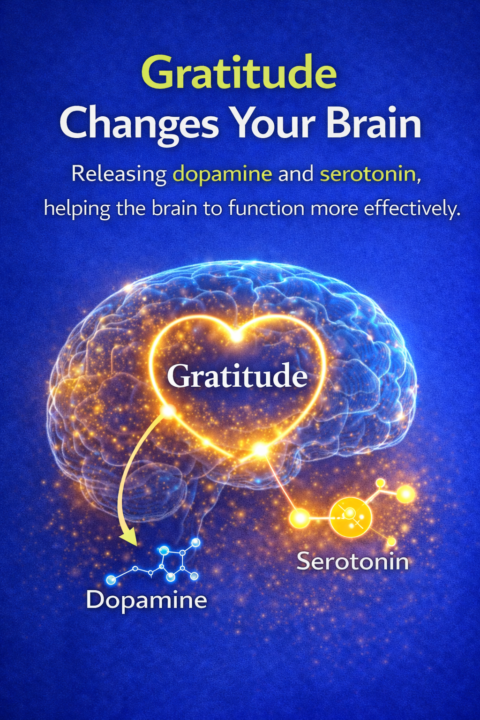
Are you grateful?
Many people think gratitude is simply a nice attitude. But neuroscience shows it actually changes brain chemistry. When we practice gratitude, the brain releases dopamine and serotonin, chemicals that influence mood, motivation, and emotional stability. In other words, gratitude helps the brain feel better. Scripture teaches this principle clearly. 1 Thessalonians 5:18 “Give thanks in all circumstances.” Gratitude does not mean ignoring problems. It means recognizing that even during difficult seasons, blessings still exist. The more we practice gratitude, the easier it becomes for the brain to notice good things. What is something you are thankful for today? Encourage someone else by sharing gratitude in the comments. Invite someone who might need encouragement today. https://www.skool.com/life-reset/about?ref=0ee23211e9464b0096c90118929e1ffe
2
0
Mar 8 •
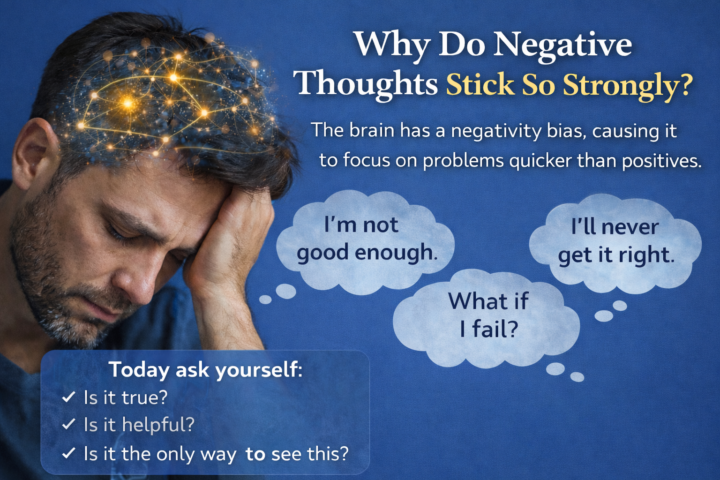
Why Negative Thoughts Stick So Strongly
Have you ever noticed that one negative comment can stay in your mind all day, even when you heard several positive ones? Many people experience this. A criticism from a coworker, a mistake at work, or a tense conversation at home can replay in our minds over and over. There is actually a reason for this. The brain has something called a negativity bias. Long ago this helped humans survive by paying attention to threats. Our brains became wired to notice problems faster than positives. Because of this, negative thoughts can form strong neural pathways. When we replay those thoughts repeatedly, the brain strengthens those pathways even more. But the brain can also build new pathways. Scripture gives us guidance on how to redirect our thinking. Philippians 4:8 “Whatever is true, whatever is honorable, whatever is just, whatever is pure, whatever is lovely, whatever is commendable… think about these things.” When we intentionally focus on truth, gratitude, and what is good, the brain slowly builds healthier thinking patterns. Over time, those new pathways become easier to access. Just like exercising a muscle, the more we practice healthy thinking, the stronger those patterns become. Today try this: When a negative thought appears, pause and ask yourself three questions. Is it true? Is it helpful? Is it the only way to see the situation? What helps you redirect negative thinking? Encourage someone in the community and invite a friend who may benefit from these daily insights. Join the Life Reset community: https://www.skool.com/life-reset/about?ref=0ee23211e9464b0096c90118929e1ffe
2
0
Mar 7 •
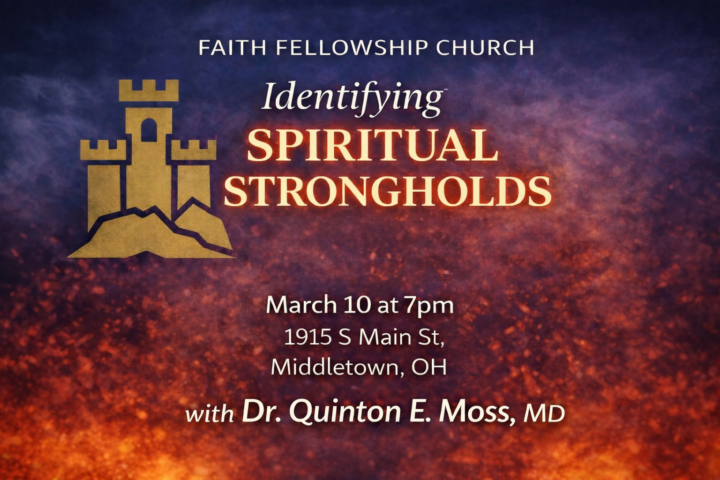
In person Bible Study March 10
Many of us struggle with patterns we cannot seem to break. Thoughts, habits, fears, and beliefs can quietly shape our lives for years without us realizing it. Scripture calls these strongholds—patterns of thinking that influence our actions and keep us from living in the freedom God intends. Join us for a Bible study on Identifying Spiritual Strongholds, where we will explore how these patterns develop and how truth from God’s Word can begin to break them down. 🗓 March 10 at 7 PM 📍 Faith Fellowship Church 1915 S Main St, Middletown, OH Taught by Quinton E. Moss, MD Come ready to learn, reflect, and grow. #BibleStudy #SpiritualGrowth #FaithAndMind #Strongholds #ChristianLife
2
0
Mar 7 •
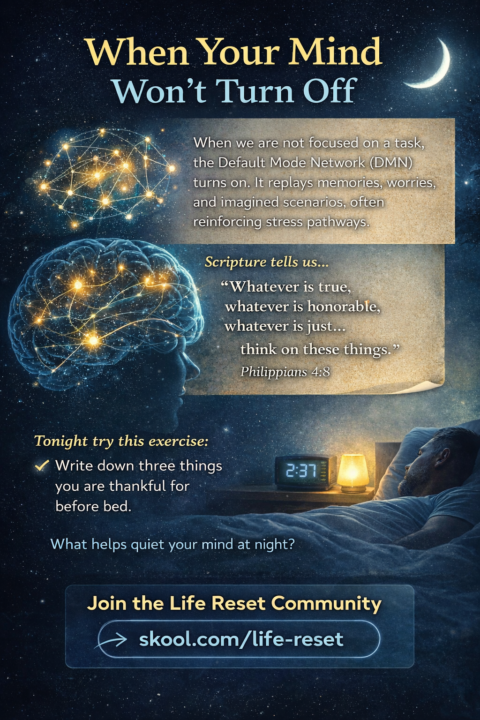
When Your Mind Won’t Turn Off
Many people lie down at night exhausted, but their mind refuses to stop. Thoughts about work, finances, family problems, or past mistakes start playing like a movie. The body is tired, but the brain keeps running. The brain has a system called the Default Mode Network (DMN). When we are not focused on a task, this network turns on and begins replaying memories, worries, and imagined scenarios. If those thoughts are negative, the brain begins reinforcing stress pathways. Scripture gives us another direction. Philippians 4:8 “Whatever is true, whatever is honorable, whatever is just… think on these things.” What we repeatedly think about strengthens neural pathways. When we intentionally redirect our thoughts toward truth, gratitude, and hope, we slowly train the brain to follow a different path. Just like a trail in the woods becomes clearer the more you walk it, positive and truthful thinking becomes easier the more it is practiced. Tonight try this exercise: Write down three things you are thankful for before bed. What helps quiet your mind at night? Encourage someone in the comments and invite someone who might benefit from this community. Join the Life Reset community: https://www.skool.com/life-reset/about?ref=0ee23211e9464b0096c90118929e1ffe
2
0
1-10 of 46
@quinton-moss-3388
Board-certified psychiatrist, CEO & medical director helping others heal through mind, body & spirit integration.
Active 129d ago
Joined Aug 23, 2025
United States
Powered by