Activity
Mon
Wed
Fri
Sun
Dec
Jan
Feb
Mar
Apr
May
Jun
Jul
Aug
Sep
Oct
What is this?
Less
More
Stealth Endurance Coaching
19
$80/m
6 contributions to Stealth Endurance Coaching
Mar 3 •
Where are we racing in 2026? Lets talk course strategy
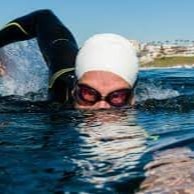
Hey Stealth athletes, Most triathletes train for "The Swim." The smart ones train for "The Race." There is a massive difference between holding a pace in a heated 25m pool and navigating the Atlantic swell in Cascais, the "washing machine" start in Bolton, or a non-wetsuit heatwave in Frankfurt. I want to make sure everyone in this squad is technically "Race-Proofed." I’ve been deep-diving into the 2026 course profiles, and I’m putting together a series of Stealth Race Reviews—breaking down the exact technique, sighting strategy, and "drag-reduction" hacks you need for specific courses. 👇 DROP YOUR 2026 RACE (S) BELOW! @Jax Quant @Paul McCullock @Amanda Pritchard @Sharon Ewer @Pamela Bramble @Manaf Marouane @Maximilian von Heesen @Scott White @Terry Curtis @Kerry Rogers I know most of yours, but you might inspire another founding member of the Stealth Triathlon Squad, or if you're raising money for a great cause with an event, you never know what can happen! You can make friends here too with other members Which 70.3 or Full Ironman / Open Water Swim Challenge is your "A-Race" this year? Whether it's an Ironman, Challenge, or a local classic, comment with your Race Name + Date. What happens next: I’ll pick the most popular races and drop a 3-Point Technical Checklist We’ll cover: The Sighting Trap: How to navigate that specific sun/current. The Catch Mechanic: Adapting your pull for the [Lake/Sea/River] conditions. The Secret "Free Speed": Where the drafting and turn-buoy wins are. Let me know where you're heading in the comments! 🏊♂️🚴♂️🏃♂️
1 like • Mar 5
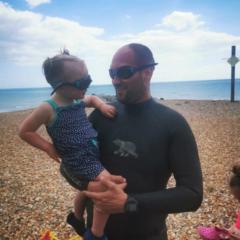
13 Waves for Harriet. 13km open water swim, raising awareness and funds for the butterfly avm charity and more importantly a tribute to Harriet
Jan 22 •
Welcome! Introduce yourself + share a pic of your workspace 🎉
Let's get to know each other! Comment below sharing where you are in the world, a photo of your workspace, and something you like to do for fun. 😊
0 likes • Jan 22
Hey everyone 👋 I’m Paul, based in the UK 🇬🇧 Open-water swimmer and masters athlete, training towards long-distance river and sea races with a big goal of winning my age cats. My “workspace” is usually wherever the training happens — pool deck, river bank, or the back of the van with a flask ☕️🏊♂️ For fun (when I’m not swimming 😅): family time, cold water dips, and documenting the journey over on socials as @OpenWaterDad1. Looking forward to learning from everyone here 💪
Jan 22 •
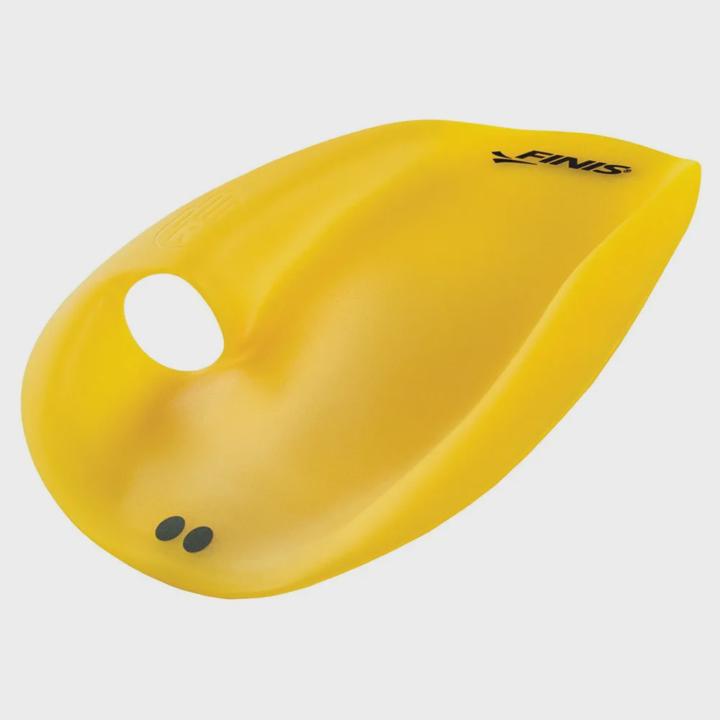
Which paddles are best for correcting different parts of my front crawl stroke?
Understanding which paddles address specific faults in your front crawl can save energy and improve race performance. Our new blog explains the mechanics behind each paddle and offers practical guidance for coaches and serious swimmers. Read more: https://wix.to/lnrp72T hashtag#Swimming hashtag#Coaching hashtag#Performance hashtag#FrontCrawl
0 likes • Jan 22
Mad wave grabber are a game changer for forcing my hand into position to correct my catch. They almost force you to adopt high elbow. Great purchase
Dec '25 •
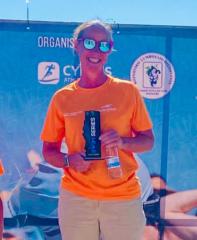
Dubai 5km - World Champs complete
So Dubai World Champs complete - didn’t get a PB but the water was mega choppy - swimming past the Burj was amazing - I would recommend the event to anyone. 9th in my category which I happy about, as I only started swimming again 6mths ago. Thanks Nick
0 likes • Dec '25
Boom 💥
Nov '25 •
Community, work together 💪
Always good to hear what everyone’s training for — keeps the motivation high! @Jax Quant what events are you focusing on this year? Any ‘A-races’ or goals you’re building toward?
1 like • Nov '25
That’s amazing! I’d definitely be keen to get involved in Oceanman swims come 2027. My story’s a simple one — I used to swim, then had a family, and now the “fat dad” is trying to make a comeback 😅. Did a race in August with zero training and didn’t do too badly, so I figured I’d get some proper structure and see where it goes 🙈 Looking to podium at Dock2Dock and enter the World Masters Open Water Championships — either madness or curiosity… maybe a bit of both 😆🏊♂️
0 likes • Nov '25
Kerry has joined the team and she is awesome. Kerry tell us your 2026 objectives, I
1-6 of 6
@paul-mccullock-5352
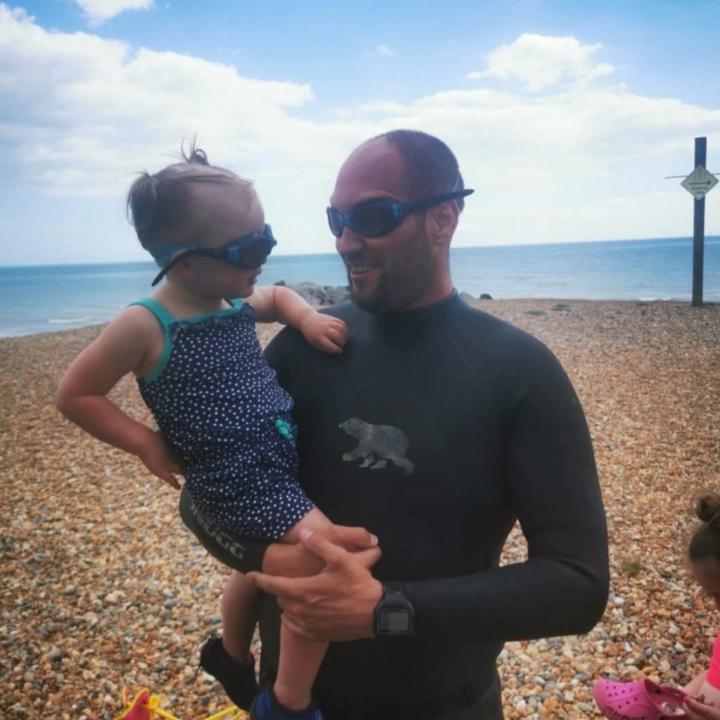
Driven open-water swimmer chasing elite-masters podiums. Focused on endurance, discipline, and proving that strength beats stereotypes. 🌊💪
Active 38d ago
Joined Oct 22, 2025