Activity
Mon
Wed
Fri
Sun
Jul
Aug
Sep
Oct
Nov
Dec
Jan
Feb
Mar
Apr
May
Jun
What is this?
Less
More
Memberships
DeFi University
293 members • Free
15 contributions to DeFi University

Apr 8 •
So as the AI tech is evolving so is its exploits. Wow.
GOOGLE DEEPMIND JUST MAPPED EVERY WAY THE INTERNET CAN ATTACK YOUR AI AGENT https://www.threads.com/@ninzaverse/post/DWy3ZkejFlQ?xmt=AQF0cYY8fotvXTv_AqZ4kil9AwW7tl1JYWq8w2CpgABtV5G6_a3L2iYue88gfMkdyBhhHs0N&slof=1
1
0

Apr 2 •
Public Portfolio
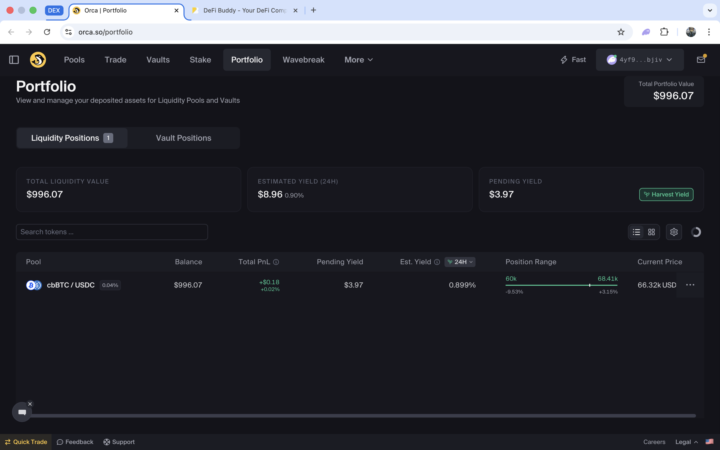
Yesterday, I started a Public Portfolio (no joke). I will show every step I make. I opened a single sided LP $1000 cbBTC/USDC and I will document every step on X.
1 like • Apr 2
what is your account on X?
Mar 11 •
Just be mindful and careful
Came across this post from 1password about clawbot and its exploits. Don’t know if its been updated. Seems a due diligence is a good habit before trying new tech. Cheers. https://1password.com/blog/from-magic-to-malware-how-openclaws-agent-skills-become-an-attack-surface
0 likes • Mar 13
Thanks! I will check it out. I think having a stand alone laptop only dedicated to Ai would be the way to go so it does not cross into personal info etc...
Mar 4 •
Interesting info on tokens that are revenue sharing.
I remember a call and we talked about this - tokens that are revenue sharing. Pretty cool website to sum it up. https://www.ignasdefi.com/p/the-investible-crypto-tokens

0 likes • Feb 20
What is the website?
1-10 of 15

@nolen-edmonston-1862
Avid Crypto enthusiast for long time. Just on the path to learn more. Hopefully make $$ by end of the year. :)
Active 12d ago
Joined Oct 2, 2025
Powered by