Activity
Mon
Wed
Fri
Sun
Mar
Apr
May
Jun
Jul
Aug
Sep
Oct
Nov
Dec
Jan
Feb
What is this?
Less
More
Memberships
HolisticAmerican-HealthAcademy
3.4k members • Free
Shrink Rap
1k members • Free
STEM & Screen-Free Hub
6.5k members • Free
Holistic Product Tester Group
29.7k members • Free
21 contributions to Holistic Product Tester Group

🔥
12d •
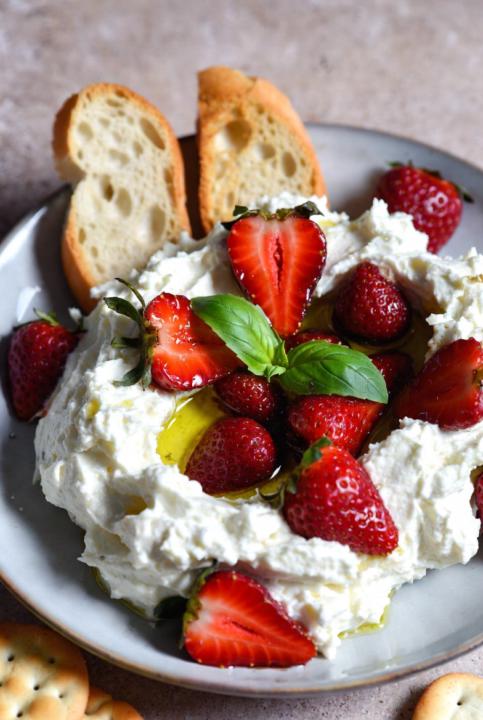
Creamy Feta Dip
Quick, make-ahead, and addictive—tangy cream meets jammy sweetness! Ingredients (serves 6–8) Roasted Strawberries: ▪︎2 cups fresh strawberries, hulled & halved ▪︎2 Tbsp balsamic vinegar ▪︎1–2 Tbsp honey ▪︎Pinch salt & pepper Creamy Whipped Feta: ▪︎8 oz feta cheese, crumbled ▪︎½ cup Greek yogurt (or cream cheese) ▪︎2 Tbsp olive oil ▪︎1 Tbsp lemon juice ▪︎Black pepper to taste Garnish/Serve:Fresh basil, chopped Optional: Olive oil or balsamic glaze drizzle Dippers: Baguette, crackers, veggies Steps for Roasted Strawberries: Preheat oven to 400°F (200°C). Toss strawberries with balsamic, honey, salt, and pepper on a lined sheet. Roast 25–35 min until caramelized. Cool (save juices). Whip feta: Blend feta, yogurt, olive oil, lemon juice, and pepper in food processor until smooth and creamy (1–2 min). Add splash of water if too thick. Assemble: Spread whipped feta in a bowl. Top with roasted strawberries (and syrup). Garnish with basil and a drizzle. Serve immediately with dippers.

3 likes • 11d
Love feta and this looks like a recipe we’ll need to try. Thank you for sharing.
4 likes • 11d
@Sue Hnilicka I went through a phase I had to quit dairy due to migraines. Thankfully it was hormonal and after my pregnancy I was able to eat dairy again.

11d •
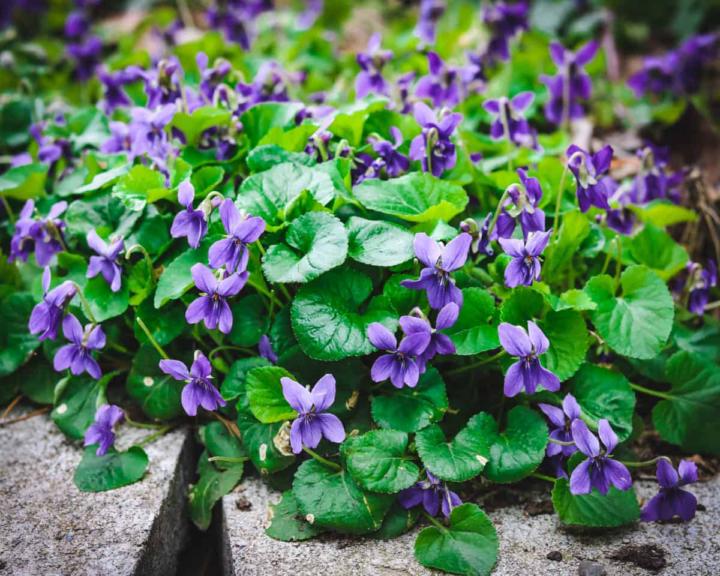
🌿 What's the Weed: Folk Remedies You Can Find Outside 🌼(Wild Violet)
This low-growing perennial spreads quietly through lawns, garden beds, and shaded woodland edges, often forming dense groundcover patches. Its distinctive heart-shaped leaves grow on long stems from a central crown, and delicate five-petaled flowers in shades of purple, blue, white, or yellow appear in early spring. While the blooms are charming, lawn enthusiasts despise this persistent spreader that resists mowing and crowds out grass, yet both the leaves and flowers have been treasured in folk medicine and cuisine for centuries, valued for their gentle healing properties and sweet flavor. ✨ Traditional Uses: • Fresh flowers and young leaves have been eaten in salads, candied for desserts, or brewed into syrups for their mild, sweet flavor. • Folk healers have used violet leaf tea as a gentle expectorant to soothe coughs, especially dry, irritating coughs. • Traditionally applied as a poultice or infused oil to calm inflamed skin, eczema, and minor rashes. • Valued as a lymphatic cleanser and "alterative" herb to support the body's natural detoxification processes. ✨ DIY Folk Remedy Recipe: Soothing Violet Syrup Gather 1-2 cups of fresh flowers (pesticide-free). Pour 2 cups of boiling water over the flowers and steep overnight. Strain, pressing flowers to extract all liquid. Add equal parts honey or sugar, warm gently until dissolved. Take by the spoonful for coughs or drizzle over desserts. This sweet, floral syrup has been a beloved springtime remedy and treat for generations. 👇 Drop your guess in the comments, who knows this "weed"?
9 likes • 11d
Violet. So pretty too!
14d •
Ingredients Exposed Series: Modified Food Starch
The Chemically Altered Filler Hiding Gluten, Corn, and Industrial Processing What sounds like a simple starch ingredient in your soup is actually a chemically or enzymatically altered substance that's been treated with acids, alkalis, bleaches, or enzymes to change its natural properties. "Modified food starch" isn't just starch, it's an industrially manipulated thickener that can hide allergen sources (gluten, corn), deliver chemical residues, and provide zero nutritional value while bulking up processed foods cheaply. 𝗪𝗵𝗲𝗿𝗲 𝗬𝗼𝘂'𝗹𝗹 𝗙𝗶𝗻𝗱 𝗧𝗵𝗶𝘀 𝗖𝗵𝗲𝗺𝗶𝗰𝗮𝗹𝗹𝘆 𝗔𝗹𝘁𝗲𝗿𝗲𝗱 𝗦𝘁𝗮𝗿𝗰𝗵 Modified food starch (listed as modified food starch, modified corn starch, modified wheat starch, or modified tapioca starch) is lurking in products throughout your kitchen: • Canned soups, gravies, and sauces • Salad dressings and mayonnaise • Frozen dinners and TV meals • Processed deli meats and sausages • Yogurt and pudding cups • Baked goods and cake mixes • Baby food and infant formula • Instant mashed potatoes • Pie fillings and desserts • Gluten-free products (ironically) • Low-fat and "diet" foods • Breading and coating mixes 𝗪𝗵𝗮𝘁 "𝗠𝗼𝗱𝗶𝗳𝗶𝗲𝗱 𝗙𝗼𝗼𝗱 𝗦𝘁𝗮𝗿𝗰𝗵" 𝗔𝗰𝘁𝘂𝗮𝗹𝗹𝘆 𝗜𝘀 Modified food starch is natural starch (from corn, wheat, potato, or tapioca) that's been chemically or enzymatically altered to change its properties for industrial food manufacturing. The modification process involves: • Chemical treatment with acids (hydrochloric, sulfuric, phosphoric) • Alkaline processing with sodium hydroxide (lye) • Bleaching with chlorine, hydrogen peroxide, or peracetic acid • Cross-linking with chemicals like phosphorus oxychloride or sodium trimetaphosphate • Esterification with acetic anhydride or succinic anhydride • Enzymatic modification with industrial enzymes • Oxidation with sodium hypochlorite The result: • Altered molecular structure for specific industrial functions • Potential chemical residues from processing agents • Hidden allergen sources (wheat = gluten, corn = GMO) • Zero requirement to disclose the source or modification method

7 likes • 14d
I try to avoid this whenever I can!
18d •
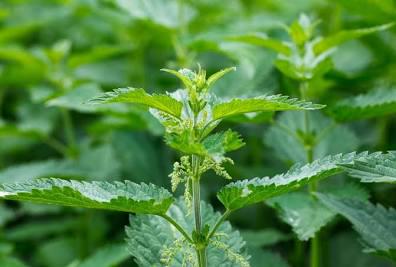
🌿 What's the Weed: Folk Remedies You Can Find Outside 🌼(Stinging Nettle)
This aggressive perennial colonizes disturbed areas, forest edges, riverbanks, and nitrogen-rich soils, often forming dense, impenetrable patches. Its serrated, heart-shaped leaves grow in opposite pairs along square stems, and the entire plant is covered with tiny hollow hairs that inject a painful, stinging compound on contact. Just brushing against it causes an immediate burning sensation that can last for hours. Most people give this plant a wide berth and curse it as a painful nuisance, yet this same "weed" is one of the most nutritious and medicinally valuable plants on earth, prized by herbalists for thousands of years. ✨ Traditional Uses: • Young spring shoots have been cooked (cooking neutralizes the sting) as an incredibly nutrient-dense wild green, rich in iron, calcium, and vitamins. • Folk healers have brewed the dried leaves into teas to support seasonal allergies, acting as a natural antihistamine. • Traditionally used as a powerful spring tonic to "build the blood" and restore vitality after winter. • Applied topically (carefully!) or in liniments to ease arthritis pain and improve circulation to sore joints. ✨ DIY Folk Remedy Recipe: Nourishing Spring Tonic Tea Gather young leaves wearing gloves (or use dried from a trusted source). Pour 1 cup of boiling water over 1-2 teaspoons of dried leaves. Cover and steep for 10-15 minutes, then strain. Drink 1-3 cups daily as a mineral-rich, allergy-supporting tonic. This earthy, slightly grassy tea has been a cornerstone of traditional spring cleansing for generations. 👇 Drop your guess in the comments, who knows this "weed"?
11 likes • 18d
I know I’ve seen it, but I can’t name it.

19d •
Self Love . It all starts with you
This quote beautifully reminds us that self-love is the foundation for transformation. When we nurture our mind, body, and spirit with kindness and care, our energy shifts — and everything around us begins to reflect that. True wellness starts from within, and as we honor ourselves, we create space for deeper balance, beauty, and connection in our lives. Here are some simple steps if your just beginning. We are all in our journey and at different stages . Let’s not compare ourselves to each other as we are all unique. Mirror kindness • Stand in front of a mirror, look into your own eyes, and say one kind sentence to yourself (for example: “You are doing your best, and that is enough”). • Do this once a day, even if it feels awkward; over time it softens self-criticism and builds acceptance. 2. Three things I like • Take a notebook and list three things you like about yourself (qualities, not just looks). • Repeat this a few times a week to gently retrain your mind to notice your strengths instead of your flaws. 3. Love-letter journaling • Write a short “love letter” to yourself, as if you were your own supportive friend. • Include appreciation, encouragement, and compassion for what you’ve been through and who you are becoming. 4. Mini self-care pause • Schedule just 5–10 minutes a day for something that feels nourishing: stretching, breathing, tea, a song you love, or sitting in silence. • Treat this time as non-negotiable, a small daily act of honoring your own worth. 5. Gentle affirmation practice • Choose one simple affirmation, like “I am learning to love myself,” and repeat it slowly several times in the morning and at night. • You can also write it on a sticky note where you’ll see it often, letting it replace some of your old critical thoughts.

4 likes • 18d
You are doing your best and that’s enough!! So very true, yet we often beat ourselves up for not doing ‘’more’. Love the ideas here!
1-10 of 21

@michele-van-dyke-5654
Hello! I am a wife and mom!
I enjoy exploring new areas, finding new local farmer's markets and reading books.
Active 11d ago
Joined Aug 2, 2024
New England
Powered by