Activity
Mon
Wed
Fri
Sun
Feb
Mar
Apr
May
Jun
Jul
Aug
Sep
Oct
Nov
Dec
Jan
What is this?
Less
More
Memberships
GrantHouse
2.1k members • Free
Tea Relief Society
194 members • Free
Christian Music Growth Hub
1.6k members • $5/month
AI Business Trailblazers Hive
12.8k members • Free
HolisticAmerican-HealthAcademy
3.3k members • Free
Holistic Product Tester Group
29.4k members • Free
Mohr Natural
402 members • Free
ADHD Entrepreneur
79 members • Free
Shrink Rap
965 members • Free
130 contributions to Holistic Product Tester Group

🔥
2d •
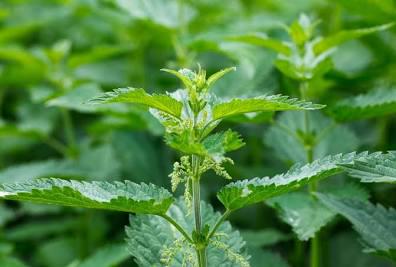
🌿 What's the Weed: Folk Remedies You Can Find Outside 🌼(Stinging Nettle)
This aggressive perennial colonizes disturbed areas, forest edges, riverbanks, and nitrogen-rich soils, often forming dense, impenetrable patches. Its serrated, heart-shaped leaves grow in opposite pairs along square stems, and the entire plant is covered with tiny hollow hairs that inject a painful, stinging compound on contact. Just brushing against it causes an immediate burning sensation that can last for hours. Most people give this plant a wide berth and curse it as a painful nuisance, yet this same "weed" is one of the most nutritious and medicinally valuable plants on earth, prized by herbalists for thousands of years. ✨ Traditional Uses: • Young spring shoots have been cooked (cooking neutralizes the sting) as an incredibly nutrient-dense wild green, rich in iron, calcium, and vitamins. • Folk healers have brewed the dried leaves into teas to support seasonal allergies, acting as a natural antihistamine. • Traditionally used as a powerful spring tonic to "build the blood" and restore vitality after winter. • Applied topically (carefully!) or in liniments to ease arthritis pain and improve circulation to sore joints. ✨ DIY Folk Remedy Recipe: Nourishing Spring Tonic Tea Gather young leaves wearing gloves (or use dried from a trusted source). Pour 1 cup of boiling water over 1-2 teaspoons of dried leaves. Cover and steep for 10-15 minutes, then strain. Drink 1-3 cups daily as a mineral-rich, allergy-supporting tonic. This earthy, slightly grassy tea has been a cornerstone of traditional spring cleansing for generations. 👇 Drop your guess in the comments, who knows this "weed"?

12 likes • 2d
Stinging Nettle (Urtica dioica). Great antihistamine, full of minerals and vitamins, anti inflammatory, arthritis, gout, urinary issues and can be used for making rope and cloth. Very versatile.
🔥
3d •
The Toxic Truth: What's Really in Your Keurig K‑Cups?
The "clean and convenient" morning ritual that's leaching plastic into your coffee Every morning, millions of people pop a K‑Cup into their Keurig machine, trusting the promise of "fresh brewed" coffee and effortless convenience. Since Keurig introduced single serve pods in the late 1990s, they've dominated home and office coffee with claims of consistency, cleanliness, and café quality brewing. People feel efficient and modern when they press that button for their personalized cup, believing the sealed pods guarantee freshness and hygiene. But what if the very product you're using for your daily caffeine ritual is actually leaching microplastics and chemicals into your coffee, brewing stale and oxidized grounds, and creating a breeding ground for mold in your machine? Behind Keurig's sleek branding and "ultimate convenience" claims lies a disturbing reality: you're paying premium prices to drink hot plastic infused coffee from months old grounds while generating mountains of waste. 𝗧𝗵𝗲 𝗠𝗮𝗿𝗸𝗲𝘁𝗶𝗻𝗴 𝗗𝗲𝗰𝗲𝗽𝘁𝗶𝗼𝗻: 𝗛𝗼𝘄 𝗞𝗲𝘂𝗿𝗶𝗴 𝗠𝗮𝗱𝗲 𝗣𝗹𝗮𝘀𝘁𝗶𝗰 𝗖𝗼𝗳𝗳𝗲𝗲 𝗦𝗲𝗲𝗺 𝗣𝗿𝗲𝗺𝗶𝘂𝗺 Keurig's most insidious marketing strategy is exploiting busy lifestyles and cleanliness concerns while making plastic‑wrapped, stale coffee seem like a luxury upgrade. • 𝗙𝗿𝗲𝘀𝗵 𝗯𝗿𝗲𝘄𝗲𝗱 implies just‑roasted quality when pods often contain coffee that's been sitting for months, oxidizing and losing flavor compounds • 𝗖𝗹𝗲𝗮𝗻 𝗮𝗻𝗱 𝗰𝗼𝗻𝘃𝗲𝗻𝗶𝗲𝗻𝘁 positioning makes people overlook the moldy water reservoirs, plastic contact, and environmental waste • 𝗣𝗿𝗲𝗺𝗶𝘂𝗺 𝗯𝗿𝗮𝗻𝗱 𝗽𝗮𝗿𝘁𝗻𝗲𝗿𝘀𝗵𝗶𝗽𝘀 (Starbucks, Dunkin', etc.) transfer café credibility to inferior pod coffee that tastes nothing like the original • 𝗖𝘂𝘀𝘁𝗼𝗺𝗶𝘇𝗮𝘁𝗶𝗼𝗻 language makes single serve seem personalized and special rather than wasteful and expensive • 𝗢𝗳𝗳𝗶𝗰𝗲 𝘀𝘁𝗮𝗻𝗱𝗮𝗿𝗱 positioning normalizes the machines as professional and hygienic when they're often neglected and contaminated • 𝗩𝗮𝗿𝗶𝗲𝘁𝘆 𝗽𝗮𝗰𝗸𝘀 create the illusion of choice while locking consumers into proprietary, overpriced pods • 𝗥𝗲𝗰𝘆𝗰𝗹𝗮𝗯𝗹𝗲 claims distract from the reality that most pods end up in landfills due to mixed materials and contamination

12 likes • 3d
That’s why I’ve never owned one. The taste is off when the water flows through the cups. My ex husband had Keurig machine and I had a grinder for my beans and my own method of brewing coffee. He thought that I was silly for taking the extra time to make coffee. Still use a French press.

6d •
If Our Habits Don’t Change
The truth is, flipping the calendar doesn’t flip your life — your habits do. If you carry the same routines, reactions, and excuses into a new year, it simply becomes another year, not a new one. Change begins with awareness, choice, and courage — the courage to break cycles, to try again, and to build systems that support your best self. Take a holistic approach this year. Nourish your body with movement and good food, feed your mind with positivity, and guard your peace fiercely. The transformation you seek is waiting on the other side of consistent, intentional action. This is your moment to realign — to not just live the year, We are doing it at a good pace and one day at a time. We Cannot do it all in one day ! We have awesome resources here ! Have a great week !

8 likes • 6d
So true.
🔥
8d •
💸 Wellness on a Budget: DIY Antacid Tonic → Winter Digestive Swap
𝗧𝗵𝗲 𝗖𝗵𝗲𝗮𝗽 𝗔𝗻𝘁𝗮𝗰𝗶𝗱 𝗧𝗲𝗺𝗽𝘁𝗮𝘁𝗶𝗼𝗻 🚫 Many people grab over-the-counter antacids like Tums, Rolaids, or Maalox when heartburn or acid reflux strikes. They promise fast relief, but the truth is they often contain ingredients that can be harmful if used regularly: * 𝗖𝗮𝗹𝗰𝗶𝘂𝗺 𝗰𝗮𝗿𝗯𝗼𝗻𝗮𝘁𝗲 / 𝗔𝗹𝘂𝗺𝗶𝗻𝘂𝗺 𝗵𝘆𝗱𝗿𝗼𝘅𝗶𝗱𝗲 – can cause constipation, kidney stress, or interfere with nutrient absorption * 𝗦𝗼𝗱𝗶𝘂𝗺 𝗯𝗶𝗰𝗮𝗿𝗯𝗼𝗻𝗮𝘁𝗲 – excess sodium can raise blood pressure * 𝗔𝗿𝘁𝗶𝗳𝗶𝗰𝗶𝗮𝗹 𝗳𝗹𝗮𝘃𝗼𝗿𝘀 𝗮𝗻𝗱 𝗽𝗿𝗲𝘀𝗲𝗿𝘃𝗮𝘁𝗶𝘃𝗲𝘀 – unnecessary chemical exposure ➡️ 𝗧𝗵𝗲 𝗿𝗲𝗮𝗹𝗶𝘁𝘆: These quick fixes may calm the burn temporarily, but they **don’t address the root cause** and can burden your body over time. 𝗪𝗶𝗻𝘁𝗲𝗿 𝗗𝗶𝗴𝗲𝘀𝘁𝗶𝘃𝗲 𝗧𝗼𝗻𝗶𝗰 🌿 Instead of spending money on antacids, try a **natural, gentle tonic** that helps balance stomach acid safely and supports digestion: * 𝗔𝗽𝗽𝗹𝗲 𝗰𝗶𝗱𝗲𝗿 𝘃𝗶𝗻𝗲𝗴𝗮𝗿 = balances stomach pH naturally * 𝗚𝗶𝗻𝗴𝗲𝗿 = reduces inflammation, soothes digestion * 𝗛𝗼𝗻𝗲𝘆 = gently coats the stomach and supports gut health * 𝗪𝗮𝗿𝗺 𝘄𝗮𝘁𝗲𝗿 = aids absorption and comfort 𝗗𝗜𝗬 𝗥𝗲𝗰𝗶𝗽𝗲 🧪 Ingredients (per serving): * 1–2 tsp raw apple cider vinegar * 1 cup warm water * 1 tsp raw honey (optional) * Pinch of cinnamon or a few slices of fresh ginger (optional) Instructions: * Stir apple cider vinegar into warm water * Add honey and spices if desired * Sip slowly before or after meals as needed ⏱ 𝗧𝗶𝗺𝗲 𝘁𝗼 𝗺𝗮𝗸𝗲: 1–2 minutes 𝗖𝗼𝘀𝘁 𝗦𝗮𝘃𝗶𝗻𝗴𝘀 💵 * DIY: ~𝗦$0.10 per cup * Commercial antacids: 𝗦$4–$5 per bottle (~1 bottle/month) * Yearly DIY cost: ~𝗦$15 * Yearly commercial cost: ~𝗦$54 💰 Savings:~$39 per year per person, plus no chemical load and safer digestion 𝗣𝗲𝗿𝘀𝗼𝗻𝗮𝗹 𝗧𝗶𝗽: Keep a small bottle of raw apple cider vinegar in your kitchen this winter—you’ll find it useful not just for heartburn, but also for salad dressings, tonics, and general digestive support.

7 likes • 8d
I keep Fire Cider on hand.
7 likes • 8d
@Courtney Thompson I get mine from Azure Standard.
🔥
9d •
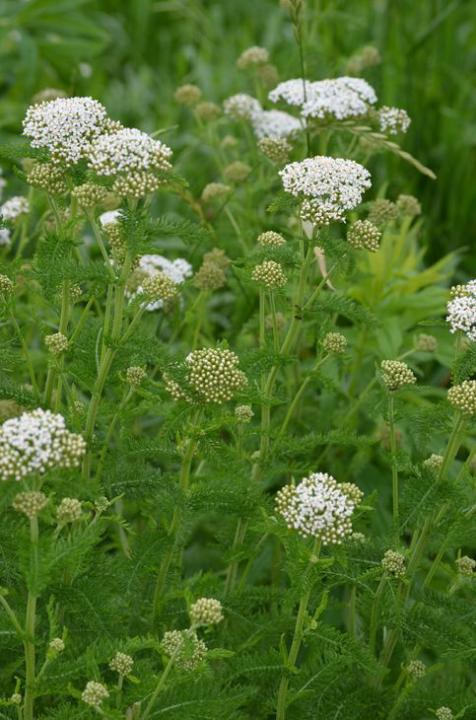
🌿 What's the Weed: Folk Remedies You Can Find Outside 🌼(Yarrow)
This hardy perennial thrives in lawns, meadows, roadsides, and disturbed areas, spreading by underground runners to form persistent patches. Its feathery, fern-like leaves are so finely divided they look almost lacy, and flat-topped clusters of tiny white or pink flowers bloom from late spring through fall. The entire plant has a distinctive aromatic, slightly bitter scent when crushed. Most people mow right over it or pull it as an unwanted lawn invader, yet this ancient healing herb has been carried into battle by soldiers for thousands of years, earning it the nickname "soldier's woundwort" for its legendary ability to stop bleeding. ✨ **Traditional Uses:** • Fresh leaves have been crushed and applied directly to cuts, scrapes, and wounds to stop bleeding and promote rapid healing. • Folk healers have brewed it into teas to break fevers by promoting sweating at the first sign of colds and flu. • Traditionally used as a bitter digestive tonic to stimulate appetite and ease stomach complaints. • Applied as a wash or compress for minor burns, rashes, and inflammatory skin conditions. ✨ **DIY Folk Remedy Recipe:** First Aid Poultice Gather fresh leaves and flowers. Chew or crush thoroughly to release the juices (clean hands or mortar and pestle work too). Apply the mashed plant material directly to minor cuts or scrapes. Hold in place for several minutes until bleeding slows. This simple field remedy has been trusted by warriors and herbalists for millennia. 👇 **Drop your guess in the comments, who knows this "weed"?**
10 likes • 9d
Yarrow
1-10 of 130

@michele-harris-5752
Child of God, Certified Herbalist and blender of essential oils. Want to help others to use herbs and such for natural healing. Love my apothecary.
Active 4h ago
Joined Apr 30, 2024
Shickley, Nebraska
Powered by