Activity
Mon
Wed
Fri
Sun
Apr
May
Jun
Jul
Aug
Sep
Oct
Nov
Dec
Jan
Feb
Mar
What is this?
Less
More
Memberships
Society of Ordinary Gentlemen
38 members • Free
Society of Ordinary Gentlemen
45 members • Free
50 contributions to Society of Ordinary Gentlemen
2 likes • 9h
Very excellent!

17d •
What is everyone's opinion on the US attacking Iran?
I'm curious what the opinion is of everyone about the U.S. taking out the Iran regime that has been in power for 47 years. Personally, I am happy about the liberation of Iran from that regime. My father-in-law was Iranian (he has passed) so my wife is half-Iranian and I have had family executed by that regime. I know some places are celebrating and some are against this war but I wanted to hear the views of the members of this Society.
7 likes • 16d
As a retired Navy Veteran and a Vietnam and Gulf War Veteran, I can assure you attacking Iran was the right thing to do. Iran was a threat to the United States, Israel and the world. They referred to us as the Great Satin and Israel as the Little Satin. They wanted to kill as many U.S. and Israeli people as they could. They wanted to wipe Israel off the face of the earth. The leaders of Iran were evil and only understood war and violence. The world is better off without their evil regime. look what they did to their own people. The sooner they are eliminated, the better. Only the liberal democrats are against this attack because Trump ordered it. I would welcome any comments or opinions.
17d •
Welcome New Members! (February 2026)
We only had 1 new member in February. Please welcome @Allen Musch Please raise a glass to our newest member to our society!!

2 likes • 17d
Welcome Allen.
27d •
Movie Recommendations and Role Models - Take 2 (No Pun Intended)
Let's try this again. Below are the links to the Movie Recommendations and Role Models. Movie Recommendations: https://stephenarnold-2210.quickbase.com/db/bvt56hscd?a=nwr&originalQid=td Role Models: https://stephenarnold-2210.quickbase.com/db/bvt56cfw9?a=nwr&originalQid=td
8 likes • 27d
I received the Bolo. It is very nice and I will wear it often. Thanks for getting it for me.
Feb 16 •
Caribbean Cruise
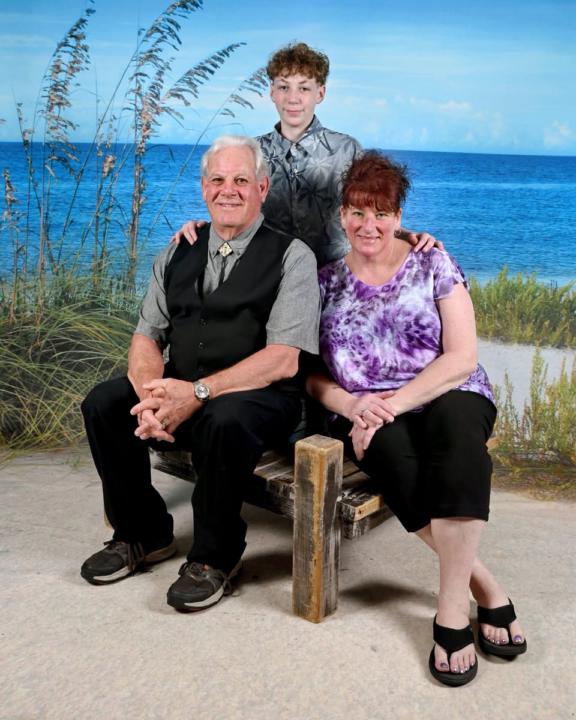
I took my Daughter and Grandson on a Caribbean cruise last week and it was wonderful for all three of us. We had port calls in Ocho Rios, Grand Cayman and Cozumel. We spent quality time together and laughed a lot and just had fun. Have to do this while I still can.
2 likes • 29d
Thank you Anthony.
1-10 of 50

@michael-moore-7747
Interests and hobbies include horseback riding, fishing, hunting, historian, fly tyer, financial investing and teaching the Vietnam War and Gulf War.
Active 9h ago
Joined Dec 27, 2025
Stevens Point, Wisconsin
Powered by