Activity
Mon
Wed
Fri
Sun
Aug
Sep
Oct
Nov
Dec
Jan
Feb
Mar
Apr
May
Jun
What is this?
Less
More
Memberships
The Potted Garden Society
2.9k members • Free
15 contributions to The Potted Garden Society

Nov '25 •
It’s here! 🎉
Our community-designed tee — “𝐘𝐨𝐮’𝐫𝐞 𝐍𝐞𝐯𝐞𝐫 𝐓𝐨𝐨 𝐎𝐥𝐝 𝐓𝐨 𝐏𝐥𝐚𝐲 𝐈𝐧 𝐓𝐡𝐞 𝐃𝐢𝐫𝐭”— officially went 𝐋𝐈𝐕𝐄 this morning 🌱💚 You voted for thephrase, You helped shape the design.And now it’s ready for YOU. This month’s limited-run tee is only available for one week… and gardeners everywhere are already loving it. ➡️ 𝐆𝐫𝐚𝐛 𝐲𝐨𝐮𝐫𝐬 𝐡𝐞𝐫𝐞 𝐛𝐞𝐟𝐨𝐫𝐞 𝐭𝐡𝐞 𝐰𝐞𝐞𝐤 𝐠𝐞𝐭𝐬 𝐚𝐰𝐚𝐲 𝐟𝐫𝐨𝐦 𝐲𝐨𝐮. #PottedGardenSociety #GardenTeeDrop

1 like • Nov '25
Hi - is there a size chart? t-shirts seem to vary greatly in sizes with each manufacturer.
0 likes • Nov '25
Will there be a November Giveway?
Nov '25 •
Meyers Lemon Tree Woes
I have a Meyers Lemon tree that I purchased about 11/2 years ago. I keep it on the house during the winter and put on the deck late Spring to lare Fall. I brought it into the house several weeks ago when we started seeing frost. It is not happy at this time and has been dropping leaves like crazy. All the while blooming like it never has before. I've attached some pics of leaves that fell this morning. I also took it out on the deck and gave it a good spray with diluted Neem oil. I thought I saw evidence of spider mites yesterday and thought this maybe why it's dropping leaves like crazy. Last winter it did great inside. It doubled in size, so I reported it when I moved it outside. It even gad a couple of blooms and some tiny lemons that didn't last. But it tried. Anyone else here growing Meyers Lemon trees? Or have in the past? If so, have you had an issue like this with yours? If so, did you figure out what was happening? Did you find a solution? Any advice is appreciated. This is my first time growing one and I am still learning about it. Thanks for your thoughts and ideas!
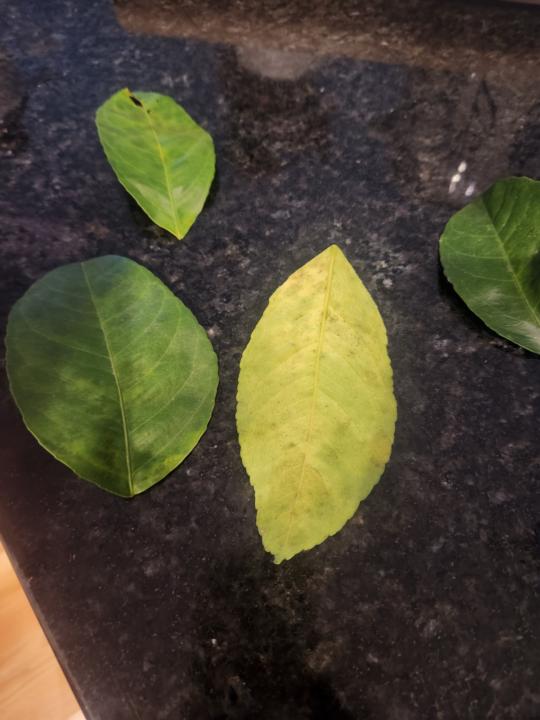
1 like • Nov '25
@Carla Giddeons Mine too - I only bought it last spring and it had flowers on it and then a few lemons. I moved it into the greenhouse but it was outside when the temps dropped into the forties. Min has dropped a lot of leaves but still has one little lemon that is starting to turn yellow. But lots of leaves dropped - I thought it was just what they did. I have a lime tree too and that one looks really healthy and happy - so I don't know. I never grew citrus before.
Nov '25 •
Why Aphids Return in Late Fall — And How to Finally Stop Them
If you thought aphids were a spring and summer problem, surprise — these tiny sap-sucking pests have one more trick up their sleeve. Just when container gardeners are preparing for winter, 𝐚𝐩𝐡𝐢𝐝𝐬 𝐦𝐚𝐤𝐞 𝐚 𝐬𝐧𝐞𝐚𝐤𝐲 𝐜𝐨𝐦𝐞𝐛𝐚𝐜𝐤 𝐢𝐧 𝐥𝐚𝐭𝐞 𝐟𝐚𝐥𝐥. But why now? And more importantly, how do you stop them before they multiply indoors or damage overwintering plants? Let’s break down what’s really going on with late-season aphid attacks and the simple steps you can take to protect your container garden. 🐞 𝐖𝐡𝐲 𝐀𝐩𝐡𝐢𝐝𝐬 𝐂𝐨𝐦𝐞 𝐁𝐚𝐜𝐤 𝐢𝐧 𝐋𝐚𝐭𝐞 𝐅𝐚𝐥𝐥 Most gardeners assume pests disappear when temperatures drop, but aphids are surprisingly cold-tolerant. Here’s why they return in fall: 🍁 𝟏. 𝐓𝐡𝐞𝐲’𝐫𝐞 𝐋𝐨𝐨𝐤𝐢𝐧𝐠 𝐟𝐨𝐫 𝐖𝐢𝐧𝐭𝐞𝐫 𝐒𝐡𝐞𝐥𝐭𝐞𝐫 As outdoor plants begin to fade, aphids migrate toward protected spaces, like the undersides of leaves, cracks in pots, or even garden benches near container plants. If you’re overwintering pots on a porch or patio, you’re creating a cozy bug hangout. 🌿 𝟐. 𝐏𝐥𝐚𝐧𝐭𝐬 𝐀𝐫𝐞 𝐒𝐭𝐫𝐞𝐬𝐬𝐞𝐝 𝐚𝐧𝐝 𝐀𝐩𝐡𝐢𝐝𝐬 𝐋𝐨𝐯𝐞 𝐓𝐡𝐚𝐭 Cooler temperatures and lower light slow plant growth, making plants more vulnerable. Stressed plants send out chemical signals that actually attract sap-feeding insects like aphids. 🪴 𝟑. 𝐖𝐞 𝐁𝐫𝐢𝐧𝐠 𝐓𝐡𝐞𝐦 𝐈𝐧𝐬𝐢𝐝𝐞 𝐖𝐢𝐭𝐡𝐨𝐮𝐭 𝐊𝐧𝐨𝐰𝐢𝐧𝐠 When we move container plants indoors to protect them from frost, we often carry aphids with us. Tiny clusters of eggs or juvenile aphids may be hiding along stems or leaf veins, waiting for indoor heating to jumpstart reproduction. 💛 𝟒. 𝐓𝐡𝐞𝐲 𝐒𝐰𝐢𝐭𝐜𝐡 𝐭𝐨 “𝐄𝐠𝐠 𝐌𝐨𝐝𝐞” In fall, many aphid species lay eggs instead of live young. These eggs are tough and survive freezing temps on plant stems and pot - ready to hatch later. 🔍 𝐒𝐢𝐠𝐧𝐬 𝐘𝐨𝐮 𝐇𝐚𝐯𝐞 𝐚 𝐋𝐚𝐭𝐞 𝐅𝐚𝐥𝐥 𝐀𝐩𝐡𝐢𝐝 𝐏𝐫𝐨𝐛𝐥𝐞𝐦 Keep an eye out for these symptoms if you’re overwintering plants or growing herbs indoors: * Sticky leaves or surfaces (from honeydew aphids excrete) * Curled, distorted, or yellowing leaves * Clusters of tiny green, black, or white insects * Ants crawling around soil or stems (they farm aphids for honeydew)
2 likes • Nov '25
Thanks for sharing. Great info.

Nov '25 •
Gardening Question 🪴🥬
I'm a new gardener & I've been seeing a lot of people harvesting Cranberry Beans online! I saw them at the food store and bought a bunch to cook but I was wondering is there anything I can do with these beans in order to plant them next season as I'm sure its too cold to plant them in NY now. Any suggestions?
1 like • Nov '25
I've never seen or had these. I'll have to look for them in the store.
1-10 of 15
Active 224d ago
Joined Nov 11, 2025
Powered by