Activity
Mon
Wed
Fri
Sun
Aug
Sep
Oct
Nov
Dec
Jan
Feb
Mar
Apr
May
Jun
Jul
What is this?
Less
More
Owned by Matt
Sharing, Learning, and Growing together.
Memberships
The Plant Skool
75 members • Free
Houseplant Enthusiasts
16.6k members • Free
81 contributions to Plants From Growing to Selling
Jun 10 •
Thank you for your support 💟
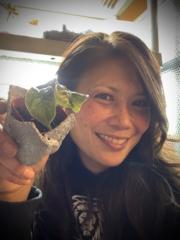
I want to thank you all for being so supportive of my tissue culture adventure when I was reluctant to let anyone know that I was playing with TC. I was afraid of being a failure, a poser, a target on social media… But, ever since the reel I did of me putting the Begonia ‘Izumo no Kiraboshi’ into TC, I’ve been getting a lot of followers on IG. In addition to Laur from Plants in Jars telling me that she follows me, today Francisco from Plant Cell Technology followed me from his personal account. These are the TC influencers who successfully “influenced” me to try my hand at tissue culture so I’m really blown away that they not only came across my stuff, but are showing support by following my IG. I realize I don’t have to show perfection…and probably shouldn’t. I’ve had someone reach out to me from Uruguay who invested all he had into his TC setup and supplies (which are more expensive there) only to be unsuccessful. I’ve been asked if I would accept a commission to clone someone’s serracenia. And all of this wouldn’t be happening if I didn’t get the boost of confidence y’all gave me that one Plant Chore Wednesday. I will always remember that moment and I will always recognize you folks as part of the driving force behind this fascinating new hobby of mine. …and why I feel comfortable sharing the first signs of growth on this Izumo stem! While I’m more than ecstatic, the hard truth is that this is only happening with 1 of 19 explants and a lot can still go wrong at this point. While I hope I’m not jinxing myself, a large part of me feels like this is helpful information for anyone interested in starting to micropropagate. It’s not unattainable but there is a lot of practice and patience required. 💟

2 likes • Jun 11
That's so freaking amazing! Im glad it gave you the confidence you needed, you're doing amazing things just needed a space that felt accepting enough to share. Clearly you've done tons of research love and dedication into it and it's paying off. So glad to see you enjoying the process and sharing it with the world and us. Keep it up!🫶💚
Jun 9 •
New plant babies!
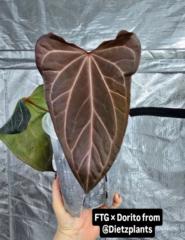
A customer sent us these guys, it was his first tissue culture plant he TCd and acclimated. Begonia Sterling Moon

Jun 8 •
Let's see your new leaves and plants!
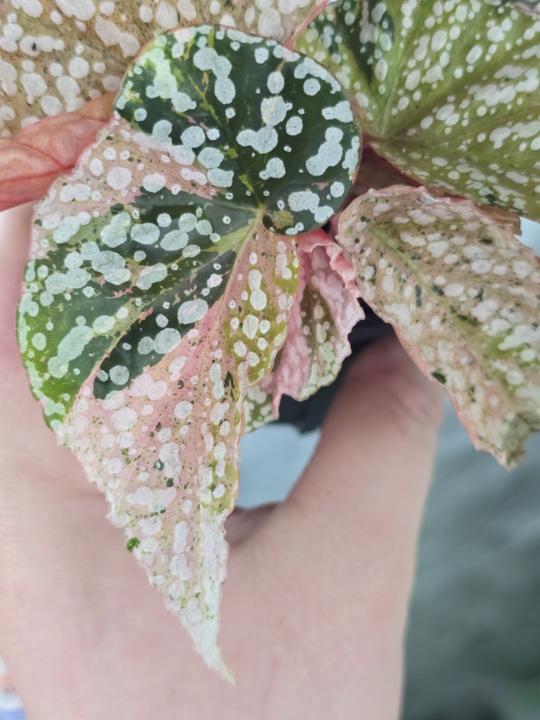
Here are some new leaves and plants that spoke to me today 🫶 I want to see yours!
2 likes • Jun 8
Dang look at these guys, the Thurstonii is looking darkkkkk! 😍 Idk about new stuff but ive been having fun building these.
Jun 2 •
Fangirling Plants in Jars
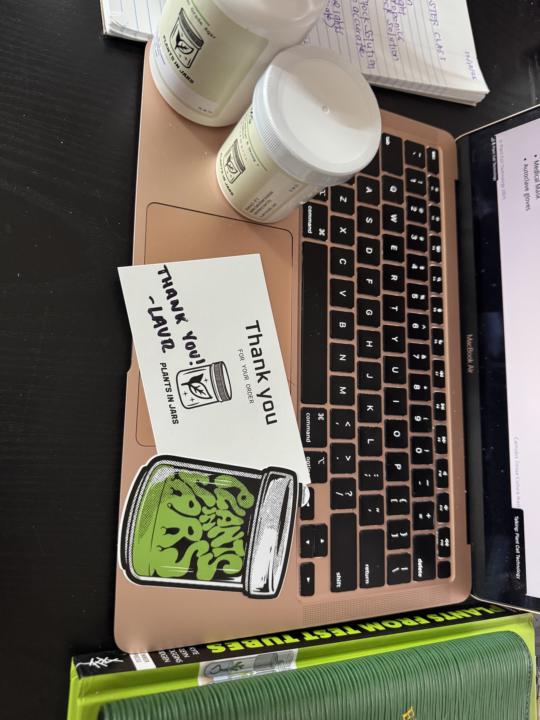
So, Laur from Plants in Jars was on Instagram Live this afternoon. For some reason, I received the IG notification today when I never get notifications about IG Lives. Anyway…I joined and let her know how she inspired me to just get started instead of waiting for the perfect setup…and how I purchased her starter kit so I would have access to her protocol library, which I largely follow. She then said…”Violet Pot Designs…I think I followed you today.” I responded, “Really? Wow - I feel honored 💟” Totally fangirled her…and I’m almost 50 🤣
1 like • Jun 2
Awe! Thats amazing, she seems like a wonderful person and INCREDIBLY knowledgeable!

May 29 •
Group Chore Hangouts
I know we are all busy and stuff… but I kinda like the idea of just having a standing hang out for chores either nightly or every other day at 8 eastern or some other time. Or maybe I’ll just start hanging out when I’m doing chores using the “go live” button in Skool?
2 likes • May 29
Thats fair! Ill try to get that all situated this evening.
2 likes • May 29
100% having the socialization and accountability is so nice.
1-10 of 81
@matt-gagne-4252
A meticulous plant entrepreneur from Maine obsessed with learning. That uses an automated self built semi-hydroponic system in my basement .
Active 2d ago
Joined Mar 13, 2026
INTP
Powered by