Activity
Mon
Wed
Fri
Sun
Nov
Dec
Jan
Feb
Mar
Apr
May
Jun
Jul
Aug
Sep
Oct
What is this?
Less
More
Has2BGreen
48
Free
9 contributions to Has2BGreen

Apr 25 •
Back pain and campaigning - who knew?
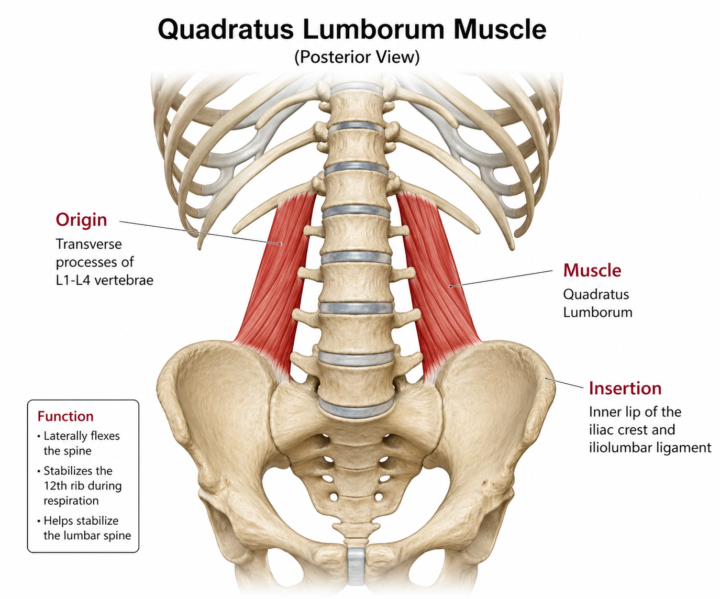
I have been out delivering promotional flyers for the Green Party. We stand a good chance of getting a Green County Councillor elected. But for that to happen, people need to know there is a candidate and understand what he stands for. So - to the streets! 28,000 steps later. Back pain Delivering leaflets through letter boxes in the UK means managing the aggressive letter boxes that seem to have been designed to rip apart any item of post that is inserted through it, including the hand that delivered it. And also torture the deliverer by placing the slot low enough to have to twist and bend double to get to the letterbox. So you come away with cuts on your hands and a sore back. So with the aim of continuing the campaign, here is a handy guide on why back pain is an issue and how you can avoid it. 👉 Leafletters Back

1 like • Apr 25
Have you read Terry Pratchetts book Going Postal? Perhaps the postman's walk wasn't so far fetched as it appeared...
Mar 14 •
Field Report: Climate Action in the Real World
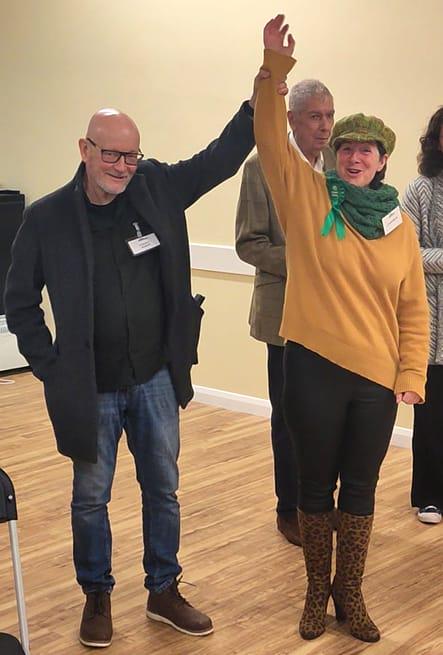
Over the last month some of you may have noticed I was quieter here than usual. There was a reason. About a month ago I was asked to become 𝗖𝗮𝗺𝗽𝗮𝗶𝗴𝗻𝘀 𝗢𝗳𝗳𝗶𝗰𝗲𝗿 𝗳𝗼𝗿 𝗼𝘂𝗿 𝗹𝗼𝗰𝗮𝗹 𝗚𝗿𝗲𝗲𝗻 𝗣𝗮𝗿𝘁𝘆, with just a few weeks to help run a Town Council by-election. Last night the result came in. 𝗪𝗲 𝘄𝗼𝗻. For the first time a Green councillor has been elected to that council. This was absolutely a 𝘁𝗲𝗮𝗺 𝗲𝗳𝗳𝗼𝗿𝘁, and two members of this Has2BGreen community — our 𝗖𝗼𝗺𝗺𝘂𝗻𝗶𝗰𝗮𝘁𝗶𝗼𝗻𝘀 𝗢𝗳𝗳𝗶𝗰𝗲𝗿 𝗮𝗻𝗱 𝗠𝗲𝗺𝗯𝗲𝗿𝘀𝗵𝗶𝗽 𝗢𝗳𝗳𝗶𝗰𝗲𝗿 — played important roles in making the campaign succeed. 𝗪𝗵𝘆 𝘁𝗵𝗶𝘀 𝗺𝗮𝘁𝘁𝗲𝗿𝘀 𝘁𝗼 𝗛𝗮𝘀𝟮𝗕𝗚𝗿𝗲𝗲𝗻 Has2BGreen exists for several reasons. Yes, we study the 𝗰𝗹𝗶𝗺𝗮𝘁𝗲 𝗰𝗿𝗶𝘀𝗶𝘀. Yes, we try to understand the 𝗹𝗮𝗿𝗴𝗲-𝘀𝗰𝗮𝗹𝗲 𝘀𝘆𝘀𝘁𝗲𝗺𝘀 𝘀𝗵𝗮𝗽𝗶𝗻𝗴 𝘁𝗵𝗲 𝗳𝘂𝘁𝘂𝗿𝗲 𝗼𝗳 𝘁𝗵𝗲 𝗽𝗹𝗮𝗻𝗲𝘁. But the deeper purpose is something else: • rebuilding communities. • Locally and internationally. • Because the truth is simple: 𝗪𝗲 𝗮𝗿𝗲 𝗼𝗻𝗲 𝗵𝘂𝗺𝗮𝗻 𝗰𝗼𝗺𝗺𝘂𝗻𝗶𝘁𝘆, 𝗮𝗻𝗱 𝘀𝗼𝗹𝘃𝗶𝗻𝗴 𝘁𝗵𝗲 𝗰𝗹𝗶𝗺𝗮𝘁𝗲 𝗰𝗿𝗶𝘀𝗶𝘀 𝗿𝗲𝗾𝘂𝗶𝗿𝗲𝘀 𝘂𝘀 𝘁𝗼 𝗮𝗰𝘁 𝘁𝗼𝗴𝗲𝘁𝗵𝗲𝗿. Understanding the big global problems matters. But meaningful change only happens when that understanding is 𝘀𝗰𝗮𝗹𝗲𝗱 𝗱𝗼𝘄𝗻 𝗶𝗻𝘁𝗼 𝗿𝗲𝗮𝗹 𝗰𝗼𝗺𝗺𝘂𝗻𝗶𝘁𝘆 𝗮𝗰𝘁𝗶𝗼𝗻. Working with real people.Solving real problems.Building real systems. This campaign became a small example of that process. 𝗪𝗛𝗔𝗧 𝗜 𝗪𝗔𝗦 𝗪𝗢𝗥𝗞𝗜𝗡𝗚 𝗢𝗡 𝗕𝗘𝗛𝗜𝗡𝗗 𝗧𝗛𝗘 𝗦𝗖𝗘𝗡𝗘𝗦 My role focused mainly on systems and coordination. Using my database background, I built a campaign system that combined several data sources: • the electoral register • absent voters lists • the marked register (who had voted) • Green Party membership records • canvassing data from volunteers On election day we added a sixth stream — 𝘁𝗲𝗹𝗹𝗲𝗿 𝗿𝗲𝗽𝗼𝗿𝘁𝘀 𝗳𝗿𝗼𝗺 𝗼𝘂𝘁𝘀𝗶𝗱𝗲 𝗽𝗼𝗹𝗹𝗶𝗻𝗴 𝘀𝘁𝗮𝘁𝗶𝗼𝗻𝘀. This allowed us to see, almost in real time: • who had voted • who had pledged support • who still needed a reminder Because of that system we were able to run a 𝘃𝗲𝗿𝘆 𝘁𝗮𝗿𝗴𝗲𝘁𝗲𝗱 𝗚𝗲𝘁 𝗢𝘂𝘁 𝗧𝗵𝗲 𝗩𝗼𝘁𝗲 𝗼𝗽𝗲𝗿𝗮𝘁𝗶𝗼𝗻 on the final evening. Instead of volunteers wandering large areas knocking randomly, they received 𝘀𝗺𝗮𝗹𝗹 𝗰𝗹𝘂𝘀𝘁𝗲𝗿𝘀 𝗼𝗳 𝗮𝗱𝗱𝗿𝗲𝘀𝘀𝗲𝘀 𝗶𝗻 𝘁𝗶𝗴𝗵𝘁 𝘄𝗮𝗹𝗸𝗶𝗻𝗴 𝗮𝗿𝗲𝗮𝘀, focusing only on supporters who had not yet voted.
2 likes • Mar 14
Congrats to all
Mar 11 •
New use for old mines
Came across this video on YouTube this evening, would be interesting to dig into how efficient this can be but it does look like a good solution to the lack of rotating mass in the energy grid as we move away from turbine based generation. https://youtu.be/nDfBayfTWy0 This video from Matt Ferrell helps explain why the rotating mass is needed. https://youtu.be/Z95t-f-0IjI I think it is positive to see how many different challenges are finding solutions from many different places. It is starting to feel like the path forward towards a less fossil fuel dependent future is on the up tick of the S curve regardless of the enthusiasm or lack thereof from politicians.
Dec '25 •
Feeling heavy
I have been conducting extensive research over the Christmas period on how politics and the media operate to maintain power structures and the agendas of those in power. Writing up what I have found makes it feel nearly impossible to effect change. The systems seem so glued up, so stuck in their ways, and so immune to influence from outside forces. How can such systems be changed? But then you only need to think about the Soviet Union, the Berlin Wall, Apartheid in South Africa and Brexit - the UK breaking from the European Union. All things that seemed too hard to accomplish. It seemed that it would take a revolution or some massive external force to effect change. But each was the result of growing public knowledge, mutual trust, and the collapse of the power structures at the top. One day, people realised that what humans build can be dismantled and new systems can replace it. This realisation does not entirely alleviate the grief, the desire to find a scapegoat or the guilt at my failure to act, my wish to have more agency, or desire to shout louder. Still, it does make me rally and move forward, one step at a time, towards change. I have added a module on Grief, Blame and Guilt. It is my exploration of my own state and seeking guidance on how to overcome despondency and return to action. I realised I was probably not the only one feeling this, and a discussion of the issues might be helpful for others. So here it is. In some way, I wish there was one person whom I could pin all this on -- one person - who once caught and punished would make everything okay. But that is not reality. It is not one person - it is all of us and the systems we have created. I hope you find it interesting to learn how I arrived at this. The images below make me think of my daughter and my son many years from now, considering what could have happened, if only... Climate Resilience

1 like • Dec '25
@Richard Knight had another thought. Back in 2017 I don't think battery tech had evolved to the point e-bikes were as widely known as they are today. As you say, it would be interesting to see the solution possibilities now. And perhaps that is the thing, there isn't going to be one magic transport solution but a variety, I would think improving the cycling infrastructure could help in lots of places. https://youtu.be/Dmf6aEx09Oo
0 likes • Dec '25
@Richard Knight this info might be useful on the battery storage for the grid. https://www.edf-powersolutions.uk/our-sites/sundon/
Oct '25 •
⚙️ New Lesson: Battery Types Compared
From lithium cells to sand, water, and even gravity, there’s more than one way to store energy. Each battery type has its own strengths, weaknesses, and environmental impact. This lesson breaks down how the main technologies work, what they’re made from, and where they fit in the energy puzzle. 👉 Find it here.

1 like • Nov '25
Don't know if this is a good place to put this, but this video is looking at some of the solutions now available using sodium batteries in home battery systems. https://youtu.be/K1h5U8OADdI
1-9 of 9

Active 74d ago
Joined Sep 30, 2025