Activity
Mon
Wed
Fri
Sun
Nov
Dec
Jan
Feb
Mar
Apr
May
Jun
Jul
Aug
Sep
Oct
What is this?
Less
More
DaVinci Resolve FREE Community
37.1k
Free
Has2BGreen
48
Free
8 contributions to Has2BGreen

Mar 14 •
Field Report: Climate Action in the Real World
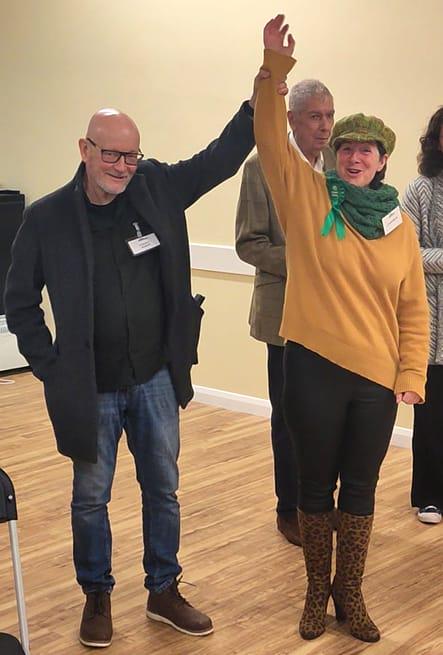
Over the last month some of you may have noticed I was quieter here than usual. There was a reason. About a month ago I was asked to become 𝗖𝗮𝗺𝗽𝗮𝗶𝗴𝗻𝘀 𝗢𝗳𝗳𝗶𝗰𝗲𝗿 𝗳𝗼𝗿 𝗼𝘂𝗿 𝗹𝗼𝗰𝗮𝗹 𝗚𝗿𝗲𝗲𝗻 𝗣𝗮𝗿𝘁𝘆, with just a few weeks to help run a Town Council by-election. Last night the result came in. 𝗪𝗲 𝘄𝗼𝗻. For the first time a Green councillor has been elected to that council. This was absolutely a 𝘁𝗲𝗮𝗺 𝗲𝗳𝗳𝗼𝗿𝘁, and two members of this Has2BGreen community — our 𝗖𝗼𝗺𝗺𝘂𝗻𝗶𝗰𝗮𝘁𝗶𝗼𝗻𝘀 𝗢𝗳𝗳𝗶𝗰𝗲𝗿 𝗮𝗻𝗱 𝗠𝗲𝗺𝗯𝗲𝗿𝘀𝗵𝗶𝗽 𝗢𝗳𝗳𝗶𝗰𝗲𝗿 — played important roles in making the campaign succeed. 𝗪𝗵𝘆 𝘁𝗵𝗶𝘀 𝗺𝗮𝘁𝘁𝗲𝗿𝘀 𝘁𝗼 𝗛𝗮𝘀𝟮𝗕𝗚𝗿𝗲𝗲𝗻 Has2BGreen exists for several reasons. Yes, we study the 𝗰𝗹𝗶𝗺𝗮𝘁𝗲 𝗰𝗿𝗶𝘀𝗶𝘀. Yes, we try to understand the 𝗹𝗮𝗿𝗴𝗲-𝘀𝗰𝗮𝗹𝗲 𝘀𝘆𝘀𝘁𝗲𝗺𝘀 𝘀𝗵𝗮𝗽𝗶𝗻𝗴 𝘁𝗵𝗲 𝗳𝘂𝘁𝘂𝗿𝗲 𝗼𝗳 𝘁𝗵𝗲 𝗽𝗹𝗮𝗻𝗲𝘁. But the deeper purpose is something else: • rebuilding communities. • Locally and internationally. • Because the truth is simple: 𝗪𝗲 𝗮𝗿𝗲 𝗼𝗻𝗲 𝗵𝘂𝗺𝗮𝗻 𝗰𝗼𝗺𝗺𝘂𝗻𝗶𝘁𝘆, 𝗮𝗻𝗱 𝘀𝗼𝗹𝘃𝗶𝗻𝗴 𝘁𝗵𝗲 𝗰𝗹𝗶𝗺𝗮𝘁𝗲 𝗰𝗿𝗶𝘀𝗶𝘀 𝗿𝗲𝗾𝘂𝗶𝗿𝗲𝘀 𝘂𝘀 𝘁𝗼 𝗮𝗰𝘁 𝘁𝗼𝗴𝗲𝘁𝗵𝗲𝗿. Understanding the big global problems matters. But meaningful change only happens when that understanding is 𝘀𝗰𝗮𝗹𝗲𝗱 𝗱𝗼𝘄𝗻 𝗶𝗻𝘁𝗼 𝗿𝗲𝗮𝗹 𝗰𝗼𝗺𝗺𝘂𝗻𝗶𝘁𝘆 𝗮𝗰𝘁𝗶𝗼𝗻. Working with real people.Solving real problems.Building real systems. This campaign became a small example of that process. 𝗪𝗛𝗔𝗧 𝗜 𝗪𝗔𝗦 𝗪𝗢𝗥𝗞𝗜𝗡𝗚 𝗢𝗡 𝗕𝗘𝗛𝗜𝗡𝗗 𝗧𝗛𝗘 𝗦𝗖𝗘𝗡𝗘𝗦 My role focused mainly on systems and coordination. Using my database background, I built a campaign system that combined several data sources: • the electoral register • absent voters lists • the marked register (who had voted) • Green Party membership records • canvassing data from volunteers On election day we added a sixth stream — 𝘁𝗲𝗹𝗹𝗲𝗿 𝗿𝗲𝗽𝗼𝗿𝘁𝘀 𝗳𝗿𝗼𝗺 𝗼𝘂𝘁𝘀𝗶𝗱𝗲 𝗽𝗼𝗹𝗹𝗶𝗻𝗴 𝘀𝘁𝗮𝘁𝗶𝗼𝗻𝘀. This allowed us to see, almost in real time: • who had voted • who had pledged support • who still needed a reminder Because of that system we were able to run a 𝘃𝗲𝗿𝘆 𝘁𝗮𝗿𝗴𝗲𝘁𝗲𝗱 𝗚𝗲𝘁 𝗢𝘂𝘁 𝗧𝗵𝗲 𝗩𝗼𝘁𝗲 𝗼𝗽𝗲𝗿𝗮𝘁𝗶𝗼𝗻 on the final evening. Instead of volunteers wandering large areas knocking randomly, they received 𝘀𝗺𝗮𝗹𝗹 𝗰𝗹𝘂𝘀𝘁𝗲𝗿𝘀 𝗼𝗳 𝗮𝗱𝗱𝗿𝗲𝘀𝘀𝗲𝘀 𝗶𝗻 𝘁𝗶𝗴𝗵𝘁 𝘄𝗮𝗹𝗸𝗶𝗻𝗴 𝗮𝗿𝗲𝗮𝘀, focusing only on supporters who had not yet voted.

2 likes • Mar 15
Congratulations to all the volunteers. It's so special to see something positive in these dark (and over here, today, snowy) times!
Dec '25 •
The Billionaire System — Full Course Now Available
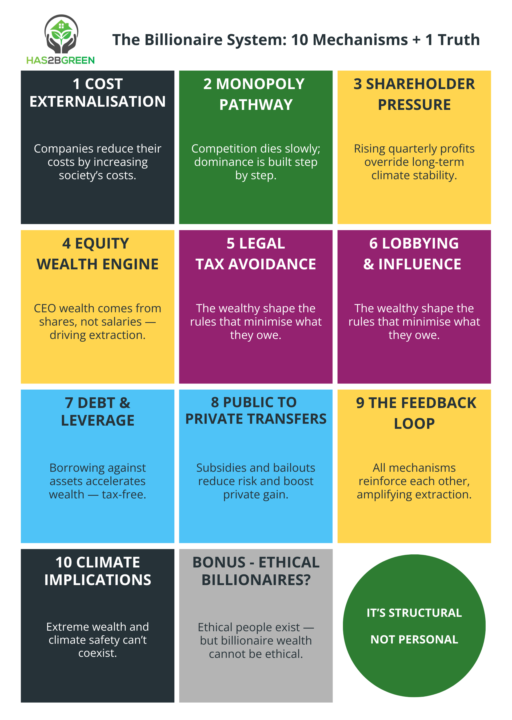
Hi everyone, After ten days of lessons — and a bonus lesson to tie it all together — the entire Billionaire Mechanisms course is now complete and ready for you to explore at your own pace. This series looks beyond headlines and personality stories and focuses instead on the systemic mechanisms that create extreme wealth — and how those same mechanisms shape our politics, our economy, and our climate future. To make it easy to review everything in one place, I’ve created a single-page visual summary of all 10 core lessons + the bonus lesson. It’s included below. This sheet gives you a quick snapshot of: - how companies externalise costs - how monopolies emerge - why shareholder pressure matters so much - how CEO wealth is amplified - how tax avoidance is structured - how lobbying shapes the rules - why debt and leverage accelerate growth - how public money fuels private gain - how all these mechanisms reinforce each other - what this means for the climate - and whether ethical billionaire wealth is possible It’s a map you can refer back to anytime. 👉 You can now access the full course here 💬 I’d love to hear from you As you revisit the lessons, I’d be interested to know: Which mechanism surprised you the most — and which one feels most connected to the climate crisis? Your reflections help others see the system more clearly, and they shape what we build next inside Has2BGreen.
1 like • Dec '25
Hi Richard , got a 404 after lesson 1, trying to get to lesson 2. Can't find an alternate route to it. Help?
Oct '25 •
Source of news on action taken!
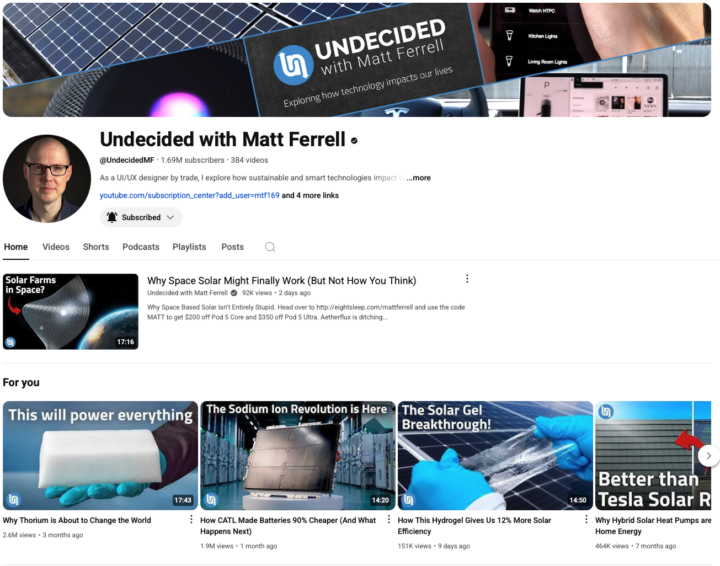
@Lorna Willimott kindly shared a link with me to Matt Farrell, who blogs about emerging and maturing technologies. His blogs are beautifully crafted and scripted. They are interesting, positive and factual. I had recently seen a post about large areas of agricultural land being damaged as solar panel arrays were installed on the land. The land is degraded, and although the product—electricity—is needed, it comes at a significant cost to the land. The Idea that Mat discusses is raising the panels higher and opening gaps between the panels, allowing light to pass through—enough to be beneficial to shade-loving crops. The difference is that instead of covering fields, the panels are installed over, for example, raspberry bushes. These bushes are usually covered in plastic sheeting to protect them from excessive sun, severe weather (such as hail), and wind. Installing the solar panels over the top of the bushes handled all of these issues and reduced the amount of water needed by the crops by 50%. It also ended the use of the plastic sheeting, which had to be renewed frequently. In years of low sun, the crop yield was lower, but in other years, the yield was higher. On average, the yeidl was higher. The byproduct was electricity. The link to his YouTube page is here.
2 likes • Oct '25
A similar idea (not mine) is installing panels over commercial car parks. Shades and somewhat protects the cars and doesn't take up extra real estate. However, in Canada it would be problematic in winter with snow and ice - the snow plows (ploughs) would be impeded and ice would build up around the support pillars. Maybe some of the electricity could be used to melt the snow? Maybe the collectors could be dual purpose and collect rainwater for re-use? Certainly room for innovation in this area.
Sep '25 •
Commenting and posting has now been opened up!
Thanks to Ricky joining the group, I have dug deeper and found out that a barrier to commenting and posting that I was part of the basic structure of Skool was in fact a setting I made in the first 2 minutes of setting up the group. I have now removed that restriction. f you were longing to comment, you can now do so!
2 likes • Sep '25
Glad you found that - it always seems so counter productive.
Sep '25 •
Social/Family aspects of Climate Change
As I was thinking how to frame my question, I realized that one of my main roadblocks to doing more about climate change isn't practical, it's social. And social solutions are certainly not my forte. Anyway, here it is: How do I handle situations where my actions to lower MY carbon footprint impact my loved ones? Examples: I want to cut down car usage, but if my daughter walks to work (or even to a bus) she'll arrive sweaty in summer or cold and wet in winter, so I drive her more often than I'd like. I hate heating a swimming pool with natural gas, but my wife finds water exercises easier on her body. OK, and one about me: I want to switch to an electric car, but I love driving my 15 year-old stick-shift Mini Cooper. (And electric cars don't have stick-shift!) Maybe this isn't really a question. Just to say that Climate change action isn't easy. What do you think?
1-8 of 8
@david-powell-7646
Retired IT Manager, Photographer, DIY fixer, Yoga student. Write my own Windows apps and Website code. Edit my own videos.
Active 13d ago
Joined Sep 9, 2025
INTJ
Ontario, Canada