Activity
Mon
Wed
Fri
Sun
Aug
Sep
Oct
Nov
Dec
Jan
Feb
Mar
Apr
May
Jun
Jul
What is this?
Less
More
Memberships
Total Goalkeeping
7.7k members • Free
231 contributions to Total Goalkeeping
2d •
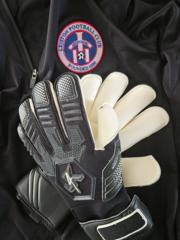
Screen time....how does it REALLY effect us?
Bit of a long one but I felt I needed to explain.... Screen time has become an increasingly important and yet overlooked by many in youth sport development. Excessive use can affect physical performance, cognitive development, sleep, recovery, and mental wellbeing. While technology has many benefits for learning and performance analysis, unmanaged recreational screen time can negatively influence the development of young footballers. Ill explain the effects this can have below, but before reading on try to (honestly) think about your approach to screen time as a play, parent or coach of youth footballers. Sleep Quality and Recovery (Greatest Impact) Sleep is one of the most important factors in youth athletic development. Excessive screen use, particularly within 1–2 hours before bedtime can: - Delay the release of melatonin due to blue light exposure. - Increase the time it takes to fall asleep. - Reduce total sleep duration. - Lower deep sleep quality. For youth footballers, poor sleep results can lead to… - Slower reaction times. - Reduced concentration. - Poor decision-making. - Increased fatigue. - Reduced muscle recovery. - Lower growth hormone release, which is essential during adolescence. Cognitive Performance Excessive recreational screen time, particularly rapid-paced social media or gaming, may contribute to: - Reduced attention span. - Increased distractibility. - Difficulty maintaining concentration. - Mental fatigue before training or matches. Conversely, appropriate use of technology such as video analysis or cognitive training apps can improve tactical understanding and perceptual skills. Physical Activity Displacement Time spent on screens often replaces: - Outdoor play - Free movement - Football practice - Physical literacy development Consequences can include: - Lower aerobic fitness. - Reduced coordination. - Poorer balance. - Less movement variability. - Increased sedentary behaviour.
0 likes • 39m
Great post, definitely an eye opener!
5h •
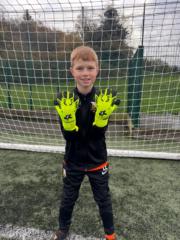
Back after a while!!
Sorry been absent for a while, Leo went to Barcelona at Easter and straight after started a trial with a Cat 2 academy! We have been very busy as it was right on the max travel time for us twice a week and matches at weekends! Unfortunately the trial ended with a No pretty much a year to the day Leo got a no from being at Lincoln Pre academy and wasn’t offered! He’s very resilient for a 9 year old and taking it all on the chin. Where he was on trial wanted their keepers to play out from the back but run the ball As far up field as he liked! As much as Leo is good with his feet and distribution he struggled with the understanding of what they wanted him to do! He was like “what if I get tackled up field then they go and score because of it? Surely they won’t like me then?” Is this the way all academies are wanting their keepers to play? All his feedback came around this play and 1 line about good shot stopper and brave!!
1 like • 44m
@Michael Ford thank you for your message, it’s definitely a hard 1 but he has lots of amazing memories from a great experience 🧤
2 likes • 43m
@Luca Necula thank you, who knows what the future holds!
🔥
Apr 15 •
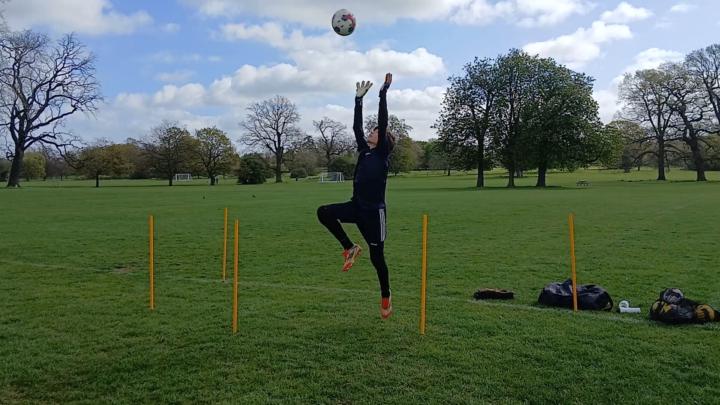
Sunday's 1:1
https://vm.tiktok.com/ZNRVxcqhw/ https://www.instagram.com/reel/DXKP4H8ghc8/?igsh=MTNqYzdsMTNpamcxcw==
7 likes • Apr 15
Looking good @Xavier Stark
Apr 12 •
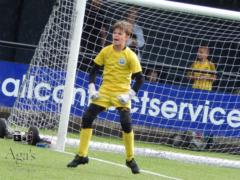
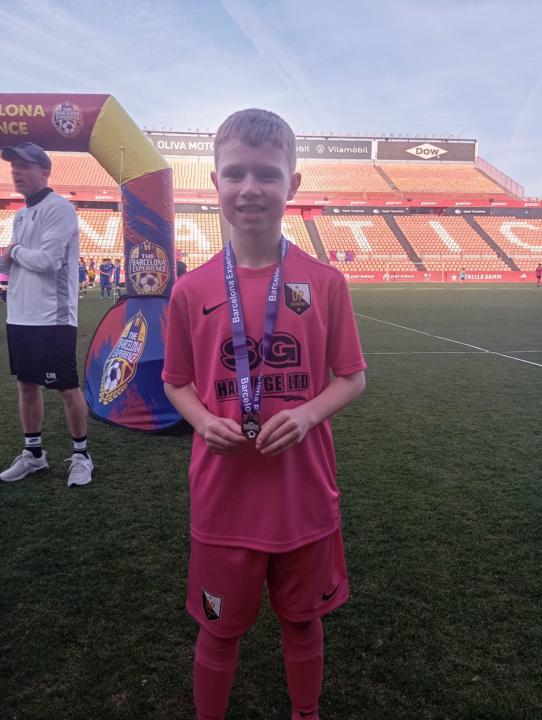
Back from Barcelona Tornament
Leo’s back from an amazing football tour 2026 his U9 team finished runners up in the cup after the final went to penalties (golden goal) Leo conceded 5 goals in the group stages but kept clean sheets in the semi final and final so very proud of him as he made some great saves, 1 of which was in the last minute of the final to take it to penalties 🧤⚽️ He thoroughly enjoyed the whole experience and loves that they filmed it live with commentary for YouTube so family back home could watch it!! Everyone loved how his gloves matched the kits and they held up well as they played in the stadium on grass! 🧤
4 likes • Apr 14
@Roxy Mattick it definitely is and such great memories for them 😊
3 likes • Apr 14
@Erin Bothwick thank you. It was such a fab experience
Apr 12 •
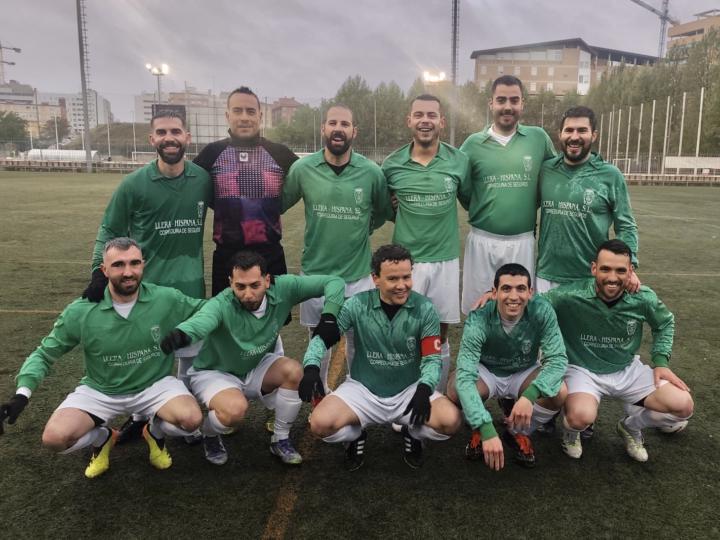
Not a great day for the retro matchday…
It wasn’t a great day for the retro round. We woke up to cold, wind and heavy rain, and it really spoiled the whole experience. Despite that, we still played in our retro kits as planned. I went with the Uhlsport jersey as we agreed, and to be fair it got quite a lot of attention — a few teammates liked it so much that they even suggested I should keep using it from now on… we’ll see 😄 But between the weather, the fact that we had nothing at stake, and our opponents needing a win to avoid relegation, it just wasn’t our day and we lost 3–1. I was absolutely freezing in goal. Even though I kept moving the whole time, the rain was relentless and I ended up soaked and cold. At least I didn’t get injured — on days like this, with such cold conditions, any sprint or overexertion can easily lead to a muscle injury. Let’s see over the next few days if I catch a cold or anything. I’ll leave you a photo.
3 likes • Apr 12
Well done for sticking at it in freezing conditions
1-10 of 231
@lindsay-connolly-7009
Parent of GK Leo U10 26-27
U10 JPL DP Academy
Active 36m ago
Joined Oct 30, 2025
Lincoln
Powered by