Activity
Mon
Wed
Fri
Sun
Jan
Feb
Mar
Apr
May
Jun
Jul
Aug
Sep
Oct
Nov
Dec
What is this?
Less
More
Owned by Kathleen
Learn how to do beadwork! I will be offering a few free short courses on beading basics, what . Courses offered for a fee will be Learning the Loom
Memberships
𝙂𝙊𝙊𝙎𝙄𝙁𝙔 🍓🐛🦋🌈⭐️🩷
8.1k members • Free
🪴 Cozy Plants 🌱🌼🌿☘️
52 members • Free
Skoolers
180.3k members • Free
Hunting for Greatness Tribe
63 members • Free
Wilderness Treasures and Finds
7 members • Free
Plant'd
76 members • Free
Mandarin Blueprint Lite
25.9k members • Free
Houseplant Enthusiasts
12.6k members • Free
7 contributions to Plant'd

26d •
Natives
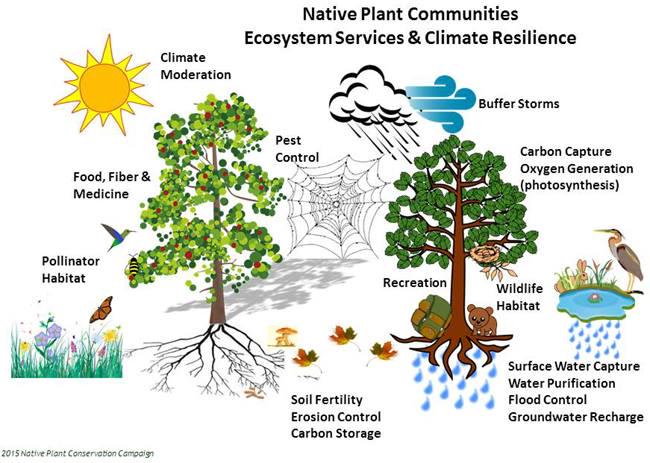
Native species are vital to ecosystems by forming the base of the food web, providing essential food and shelter for local wildlife, and supporting biodiversity. They are adapted to local conditions, which makes them more resilient and helps maintain the health of the ecosystem by improving soil health, preventing erosion, and regulating water flow. Supporting food webs and wildlife - Foundation of the food web: Native plants are the primary food source for many native insects, which in turn feed birds, fish, and other wildlife. - For example, oak trees support a vast number of insects that are critical food for birds and their young. - Habitat and shelter: Native plants provide essential shelter, nesting sites, and breeding grounds for local animals like birds, mammals, and insects. - Pollinator support: They provide essential nectar and pollen for native pollinators like bees and butterflies, which are crucial for the reproduction of many plant species, including crops. Maintaining ecosystem health - Soil health: Native plants, with their deep root systems, help stabilize soil and prevent erosion. They also improve soil structure and increase organic matter, which enhances nutrient cycling and water absorption. - Water conservation: Because they are adapted to local rainfall patterns, native plants often require less water and are more drought-tolerant, helping to conserve water resources. - Flood and stormwater control: The dense growth and deep roots of native plant communities are effective at slowing surface water flows, which helps prevent flooding and filter runoff. Building resilience - Biodiversity: By supporting a wide range of native species, they contribute to a healthy and diverse ecosystem that is more resilient to environmental changes, diseases, and invasive species. - Pest resistance: Native plants have often evolved alongside local pests, which can give them natural defenses and reduce the need for chemical pesticides. - Climate regulation: They help combat climate change by sequestering carbon, and their ability to manage water and soil is vital for mitigating the impacts of climate change.

1 like • 25d
Oh my what a cute bee...and the flower is gorgeous. This year I had what I am assuming is a wild honeybee swarm at my big water tub that i use for all the abandoned, feral, lost etc cats and kittens...from sunrise till sunset all summer long, the swarm would come get water. Back and forth all day long. If the cats tried to drink out of their water tub the bees would pester the heck out of them and they would.swarm me too when I filled it. Such an amazing experience. I wanted to buy a start up hive, but didnt
27d •
Humidity
Now that summer is over, its time to break out the humidifiers! Besides helping us humans with moisture, it also helps our plants!! They love the moisture. Different ways you can provide moisture aside from having a humidifier are: 🪴Grouping plants together- if you group plants closer together, they retain the moisture and help each other out! 🪴pebble trays- simply putting some rocks in a shallow dishe with water under plants can also provide some moisture in the air for your planta. Just make sure you are letting them sit in the water, which can cause root rot. Im curious to know how many of you use any of these techniques?

2 likes • 25d
@Amy Locks whenever I get a plant at a big box store, I immediately stick it in my quarantine area...which is under my kitchen table which I hung grow lights under the table top haha. Before I do anything else, I repot it, take all of the soil they use, from the roots etc. I soak the roots in hydrogen peroxide and water for around half hour then inspect the roots and pot it up. I will dm you pics and the info you requested!
2 likes • 25d
@Tammy Burwell haha I know exactly what you mean...I have over 200 houseplants and I finally had to organize my humidity room (which was our guest bedroom) cuz I had plants stuffed here, there, over there, under here, under there and under where ever I could find . I have even found plants, cuttings and seedlings that had crossed over into plant heaven that i forgot i had and never watered them. Out of sight out of min
25d •
Albo Monsteras
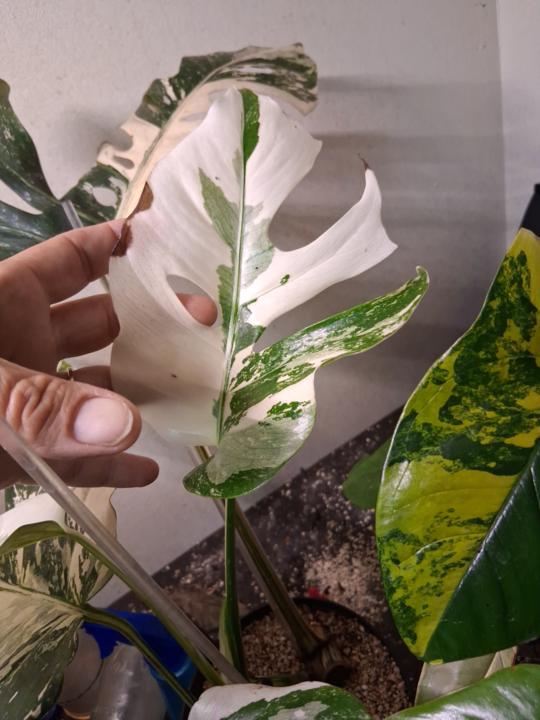
I had the HARDEST time growing an albo out. I would buy seedlings, cuttings and even 3 to 4 leaf established plants and I would lose them to root rot. I had a watering and fertilizer schedule and grow lights and great natural light. I would research and still screw it up. So I threw away my scheduled watering/fertilizer regiment and went to lifting the pot to see if it was light weight, best thing I could of done...I added a humidifier that runs for 16 to 18 hours a day, and I have gorgeous albos with amazing variegation and the grow light I have for them...is the very first and cheapest one I have. I have some really nice T5 Barrinas but my albos love the clip on, 3 light rod Amazon blue light special grow light for $8 two years ago. When I take cuttings and root them out all I use is fluval and IMO the best for rooting any cutting.
Oct 15 •
Reptile Enclosures
🦎🐍🌿 #Plants for #Reptile Enclosures Reptiles (and #snakes!) love plants too. In a #bioactiveterrarium /enclosure, plants can: ✨ Provide climbing & hiding spots for security ✨ Add aesthetic beauty to the setup ✨ Offer edible options for herbivores & omnivores 🌴 Tropical / Humid Setups (#geckos, snakes, anoles, tree #frogs, dart frogs) Bromeliads Pothos (durable climber) Philodendrons Creeping Fig (Ficus pumila) Calathea / Maranta (Prayer Plants) Ferns Spider Plants Peperomias Tradescantia (Wandering Dude) Orchids 🌵 Desert / Arid Setups (#beardeddragons, leopard geckos, uromastyx, some snakes) Haworthia Echeveria Sedum (Stonecrops) Opuntia (Prickly Pear Cactus — edible pads/fruit!) Agave (small, non-spiny types) Aloe vera (moderation only) ⚠️ What’s safe for reptiles isn’t always safe for cats & dogs. For example, pothos and philodendrons are reptile-safe, but toxic to mammals. Do any of you have reptiles?
1 like • 25d
@Johnna Eaton omg what a cutie. My son is in construction and they were tearing down an old house that had been unhabitable for 20 years. When he removed the interior sheet rock he found 3 baby gecko eggs and no momma so he brought them home and the last one hatched yesterday! I can not believe that the eggs were actually still good. We didnt have an incubator so he put the three tiny eggs into a little Rubbermaid tub with a bunch of paper towel loosely stuffed in the tub and he set it on top of his aquarium lid and that's all we did and all three hatched....2 were immediately released but 1 hatched and made it out of the little paper towel tub and is somewhere in the house. I wanted to keep them but I guess that specific gecko had special dietary requirements, I think it was ants and some other stuff. But they are now mingling with the outside geckos lol. Its was cool to see those cute little buggers when they hatched.
Oct 29 •
Plants and Chickens!
Here's the video on what plants are good and bad to plant around your chicken coops, and runs. Please be kind, its been awhile since I've been on video! lol any questions please ask! I am also uploading this to my youtube channel!

1 like • 25d
Love love your content
1-7 of 7

@kathleen-carlson-3940
Hey there! I'm Kathy and I am a native Texan who obviously loves plants. I also do Native American beadwork, authentic, Ojibwe.
Active 23d ago
Joined Aug 10, 2025
Blooming Grove, Texas