Activity
Mon
Wed
Fri
Sun
Aug
Sep
Oct
Nov
Dec
Jan
Feb
Mar
Apr
May
Jun
Jul
What is this?
Less
More
Owned by Jonah
A space to learn, share, support, and evolve together through the practice of yoga.
Memberships
Skoolers
166.8k members • Free
MyFirstHack | Cybersecurity
93.2k members • $9/month
Holistic Humans Free
22.9k members • Free
29 contributions to BECOME A YOGI

22d •
art of vinyasa Oct 30-Nov1
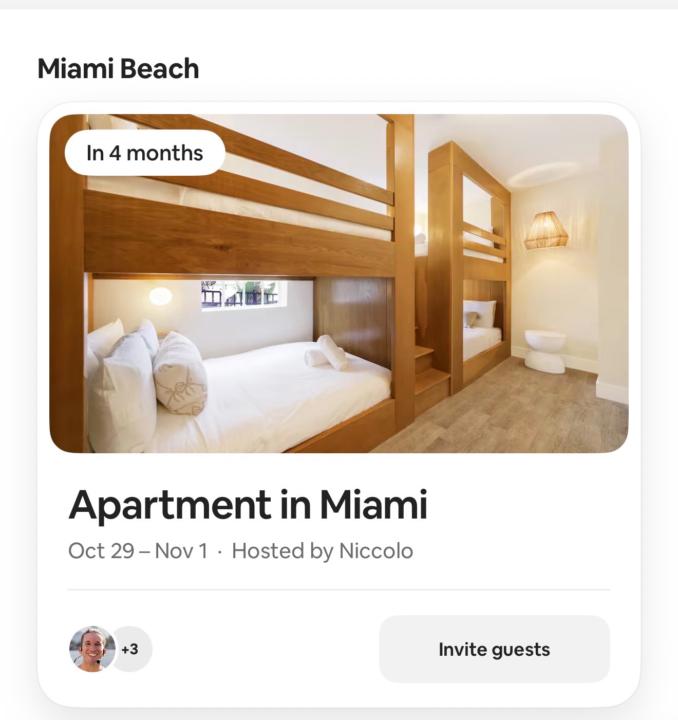
hey fam, We ended up with an extra Airbnb at no cost, and it has 4 beds available for anyone who wants to come hang at the Art of Vinyasa weekend. There are going to be a ton of alumni, lots of fresh experiences, and an incredible community gathering. The stay is:• Check-in: Thursday• Check-out: Sunday If you’d like one of the spots, send me a private message here or on whats app to reserve. First come, first served. Also, please reach out to me privately if you’d like the retreat discount. Sending big love to everyone from Thailand 🇹🇭🙏 https://www.wetravel.com/trips/art-of-vinyasa-20hr-kestyoga-1297050417#about-this-trip
May 25 •
BECOME A FACILITATOR & START YOUR OWN YOGA TEACHER TRAINING SCHOOL
hey fam! I know a lot of you have reached out about wanting to bring a 200HR into your community, so I wanted to share this here. And if it’s not for you, feel free to ignore this message. I’m super excited to bring this mentorship back in August. We’ve already had over 10 graduates go on to start their own trainings, and some have already had groups of 20+ students, which has been so amazing to witness. If you feel the call to lead your own training, build community, and take this next step in your teaching journey, I’d truly love to support you. Shoot me a private message and we can see if it feels like the right fit 🙏🏽 ___ BECOME A FACILITATOR & START YOUR OWN YOGA TEACHER TRAINING SCHOOL August 5, 2026 August 12, 2026 August 19, 2026 August 26, 2026 One of the greatest gifts this path has given me has been watching students grow into teachers… and teachers grow into leaders who go on to impact entire communities. There’s something deeply transformative about leading a yoga teacher training. It’s not just about teaching poses or building sequences. It’s about creating space for people to evolve, connect, heal, and step into themselves more fully. If you’re a 500HR teacher and you feel ready to bring a 200HR training to your community in collaboration with Become a Yogi, this mentorship is for you. I created this 4-week mentorship to help bridge the gap between being a great teacher and becoming a confident facilitator and leader. Inside the program, you’ll learn how to facilitate Become a Yogi 200HR trainings and 20HR immersive weekends while also learning how to build and grow your own school with the support of our systems, materials, and mentorship. You’ll receive: • A complete facilitator guide • Editable manuals + customizable curriculum • Proven training structures and timelines • A step-by-step pathway toward Yoga Alliance eligibility • White-label access to our systems, certificates, and materials • Ongoing mentorship and opportunities to assist me at future live trainings
May 21 •
Yoga studio that teach 7DOORS
Hey fam 🙏🏽 We’re building a really cool section on the Become a Yogi site to help people locate studios and teachers sharing the Seven Doorways method around the world. Can you comment the name of the studio + the city it’s located in? Even if it’s just where you personally teach! Hoping to gather at least 50–100 locations so we can start building a global map of the community 🌍
May 21 •
KARMA THEME
If you practice yoga long enough, eventually you begin asking deeper questions about karma. The word karma comes from the Sanskrit root word kri, meaning “to create.” The idea is simple but powerful: You are constantly creating your reality. Moment to moment. Choice by choice. Response by response. Some people call it manifestation. Some call it the law of attraction. But something shifts when you fully accept that your life is not just happening to you… it’s also happening through you. For me, accepting this has made me feel less like a victim of life and more empowered to change my reality in each moment. 🙏🏽 4 Laws of Karma: 1. Karma is constant You are always planting seeds through your thoughts, words, actions, and reactions. Every action has a consequence. 2. Karma expands Whatever you put out comes back greater. Energy moves in waves. Small actions compound over time. 3. Karma returns in kind If you plant bitter seeds, you’ll eventually taste bitter fruit. The quality of what you give is the quality of what returns. 4. If you put nothing out, nothing comes back A lot of people wait for their “boat” to come in… but never sent one out in the first place. You can only reap the fruit of seeds that have actually been planted. You are not your thoughts. You are how you respond to the world you help create. That response… is karma.
Apr 7 •
SIMPLE SUN C
Inhale, three-legged dog. Exhale, cross under to the opposite elbow. Inhale, lift back up. Exhale, one-legged yoga push-up. Inhale, back to three-legged dog. Exhale, step it through. Inhale, crescent. Exhale, open arm twist. Inhale, reverse revolved crescent. Exhale, knee tap. Inhale, rise up. Exhale, Skandhasana to the back. Inhale, boomerang to the front, dragonfly twist. Exhale, plant the hand inside the foot. Inhale, open to extended side angle. Exhale, turn the gaze down. Inhale, rise to star. Exhale, prayer twist to the back of the mat. Inhale, one-legged Tadasana. Exhale, Shiva squat. Inhale, dancing Shiva. Exhale, step back. Inhale, lift the leg to 3 legged dog to create infinity flow.
1-10 of 29