Activity
Mon
Wed
Fri
Sun
Jun
Jul
Aug
Sep
Oct
Nov
Dec
Jan
Feb
Mar
Apr
What is this?
Less
More
Owned by Jim
Anti-Bullying + Mental Wellness Toolkit — Age Appropriate Material, Complete w/ 12 Short Lessons, Resources, and a Community Helping Every Kid Belong.
Memberships
🇺🇸 Oklahoma City IRL
24 members • Free
Grounded Roots Parenting 🌿
87 members • Free
Stress-Free Sobriety
712 members • Free
Neurodiverse Minds
148 members • Free
Bloom Beyond Bullying
6 members • Free
The Aspinall Way
31k members • Free
1Billion.org Bible School
6.1k members • Free
Kingdom Brotherhood
2.3k members • Free
1 contribution to Grounded Roots Parenting 🌿

Jan 29 •
Long but worth the read! 📚
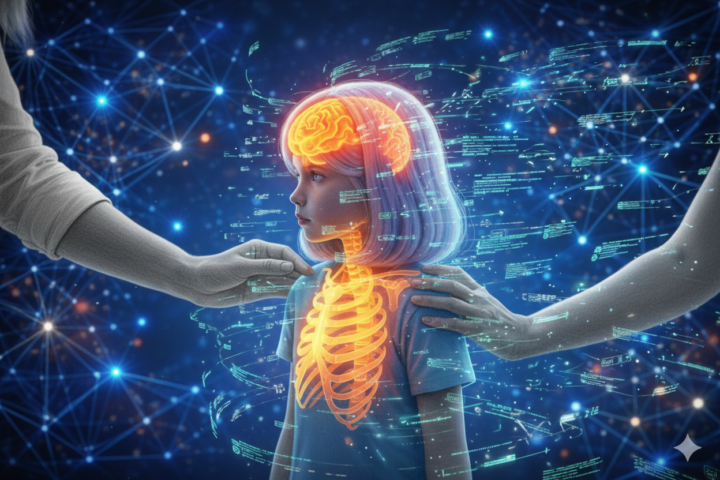
I want to start with something really clear: SEND is real. Neurodivergence doesn’t disappear outside the school gates. It isn’t just a “school problem.” But what I see time and time again is this: the visibility and impact of those needs are often magnified inside school because our education system is so rigid, narrow and standardised. Think about it. Schools haven’t fundamentally changed much in the last 100 years. They run on linear, age-based expectations: by 5 you should do X, by 8 you should do Y, by 11 you’ll be tested against the same yardstick as everyone else. But for many neurodivergent children, development is uneven. They might be years ahead in one area while still needing support in another. That isn’t failure. That’s human diversity. A rigid curriculum turns difference into deficit. Instead of nurturing strengths and interests, we try to force everyone through the same narrow channel — and then act surprised when some children struggle. Then there’s the environment itself. Noisy. Crowded. Bright lights. Constant transitions. Bells. Uniforms. Rules about how to sit, move, speak and eat. For many children, this is overwhelming. Regulation becomes harder. Learning becomes secondary to survival. We could make these spaces more inviting — but often we don’t. And here’s the thing: the evidence is already profound. When children are placed in environments that actually fit them — such as well-resourced SEN schools — we repeatedly see the same pattern. Children settle. Confidence grows. Regulation improves. Learning follows. And then come behaviour policies!!! Points systems. Detentions. Exclusions. Too often, these punish unmet need. A child who melts down in the dinner hall or struggles with transitions isn’t “choosing to misbehave” — they’re reacting to a system that wasn’t designed with them in mind. The fear of failure then pushes many children to mask, withdraw, or disappear altogether. This is why so many parents end up fighting for diagnoses and EHCPs.

3 likes • Jan 29
Wow. This is so good. So many statements I need to remember when I’m talking to teachers but the one that stuck out was the statement “learning becomes secondary to survival”. This is so true for students even with the fear of being bullied after class. Thanks Ellie
1-1 of 1
@jim-stewart-8785
Executive Director of Heroes In Waiting:
Equipping youth to build belonging, prevent bullying, and grow in character, courage, and mental wellness.
Active 6h ago
Joined Jan 29, 2026
INFP
Oklahoma City, Oklahoma USA